 EN


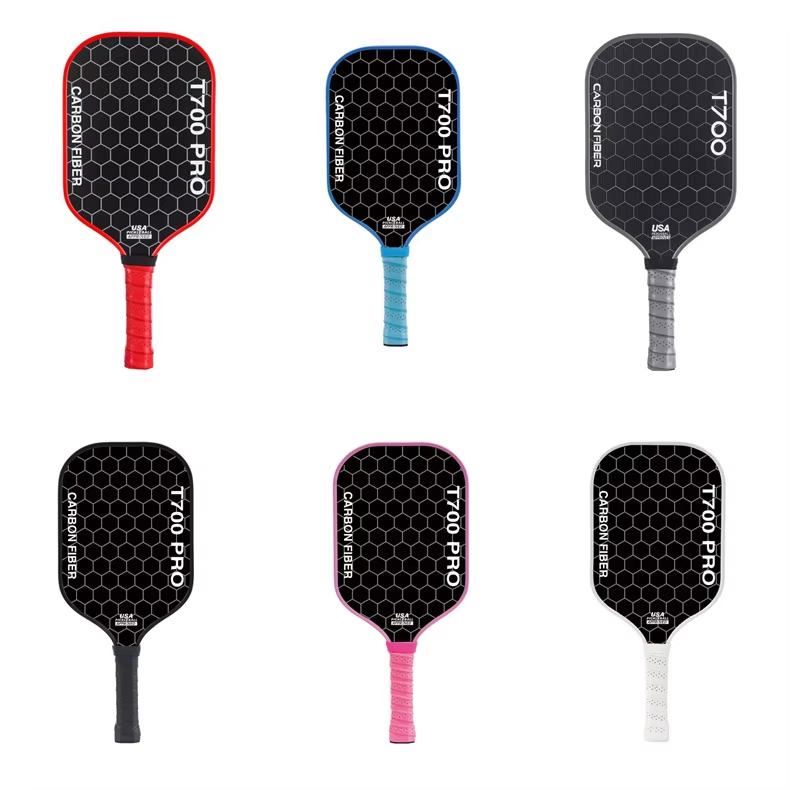
The Frustrations of Mismatched Paddle Proportions
Navigating the court with incorrect equipment creates immediate tactical disadvantages. Determining the right pickleball paddle size directly resolves frequent mishits, kitchen line pop-ups, and sluggish hand speed. Many intermediate players blame footwork when poor sizing is the true culprit. When exploring pickleball paddle dimensions, choosing an inappropriate shape compromises the sweet spot. A player struggling with defensive resets often benefits from a widebody pickleball paddle, which provides maximum width across the face. Conversely, players transitioning from tennis often prefer an elongated pickleball paddle to generate passing shot leverage. Without calculating pickleball paddle dimensions against individual swing mechanics, players experience inconsistent ball trajectory. Selecting an optimal pickleball paddle size establishes solid defensive coverage during rapid volleys. A wider frame forgives off-center strikes, whereas a narrower profile enhances reach. Comparing a widebody pickleball paddle against an elongated pickleball paddle reveals substantial trade-offs in maneuverability and power. Finding the correct pickleball paddle size is the primary step toward elevating tournament consistency.
USA Pickleball Guidelines and Fundamental Dimensions
Governing organizations enforce strict boundaries regarding equipment proportions. USA Pickleball regulations dictate that combined pickleball paddle dimensions, including length and width, must not exceed twenty-four inches. Furthermore, the total length cannot surpass seventeen inches. Within these regulatory limits, manufacturers engineer diverse profiles to accommodate different tactical playstyles. Standard pickleball paddle dimensions typically measure sixteen inches in length by eight inches in width. Choosing the ideal pickleball paddle size requires balancing length against face width. A classic widebody pickleball paddle maximizes defensive forgiveness by expanding lateral blocking surface. In contrast, an elongated pickleball paddle extends reach to sixteen and a half inches while narrowing width to seven and a half inches. Understanding these pickleball paddle dimensions prevents athletes from selecting illegal or unbalanced frames. Specifying the proper pickleball paddle size allows competitors to adhere to tournament rules while optimizing leverage. Adopting a widebody pickleball paddle stabilizes defensive blocking, whereas testing an elongated pickleball paddle rewards players seeking extra groundstroke reach.
Widebody Versus Elongated: Sweet Spot Physics and Twist Weight
Physics dictates how perimeter geometry influences rotational stability and kinetic energy transfer. A widebody pickleball paddle features an eight-inch face, creating a high twist weight that resists torque on off-center hits. When contact occurs outside the sweet spot, a widebody pickleball paddle prevents frame twisting in the palm. Conversely, an elongated pickleball paddle shifts mass toward the tip, increasing dynamic swing weight. While an elongated pickleball paddle delivers explosive overhead smashes, it narrows the lateral sweet spot. Evaluating pickleball paddle dimensions helps competitors balance hand speed against baseline depth. Players prioritizing defensive kitchen resets thrive with a forgiving pickleball paddle size. Conversely, singles competitors favor an aggressive pickleball paddle size to drive winners into open court space. Calibrating pickleball paddle dimensions to tactical positions transforms defensive stability. Whether choosing the stability of a widebody pickleball paddle or the leverage of an elongated pickleball paddle, matching face geometry to swing tempo is essential.
Grip Length and Ergonomic Handle Sizing
Paddle geometry extends beyond face proportions into ergonomic handle configuration. Handle length directly affects overall pickleball paddle dimensions and determines grip mechanics. Players executing two-handed backhands require an elongated pickleball paddle with a handle measuring five and a half inches. A longer handle accommodates both hands cleanly, though it slightly reduces the striking surface within total pickleball paddle dimensions. Conversely, single-handed players favor a widebody pickleball paddle with a shorter five-inch handle, preserving central hitting area. Selecting the correct pickleball paddle size involves matching grip circumference to hand anatomy. A grip that feels too small leads to excessive wrist action, whereas an oversized grip causes forearm strain. Evaluating total pickleball paddle size ensures smooth transitions between kitchen dinks and overhead volleys. Whether an athlete selects a widebody pickleball paddle for rapid exchanges or an elongated pickleball paddle for backhand power, proper handle engineering remains vital.
Empirical Tournament Data and Academy Sizing Case Studies
Field performance metrics highlight the measurable advantages of matching paddle proportions to player skill. A comprehensive four-month testing program across competitive clubs in Arizona evaluated eighty-five tournament players across different sizing profiles. Intermediate doubles players who switched from generic frames to a widebody pickleball paddle recorded a twenty-eight percent reduction in kitchen line unforced errors. The expanded sweet spot of the widebody pickleball paddle stabilized defensive resets against hard baseline drives. Meanwhile, advanced tournament athletes utilizing an elongated pickleball paddle generated an eighteen percent increase in overhead smash velocity. High-speed tracking confirmed that tailoring pickleball paddle dimensions to specific court roles accelerated tactical development. Players who calibrated pickleball paddle size according to swing speed experienced fifteen percent less wrist fatigue. Testing confirms that analyzing pickleball paddle dimensions prevents costly equipment mismatches. Selecting the appropriate pickleball paddle size ensures consistent ball placement, while mastering an elongated pickleball paddle unlocks aggressive put-away power.
Precision Engineering and Scalable OEM Manufacturing Standards
Delivering consistent paddle proportions requires precision industrial engineering and rigorous quality control. For sporting goods brands, retailers, and academy directors specifying custom gear, partnering with an experienced manufacturing specialist is vital. Taspo stands as a recognized composite sports equipment manufacturer, operating modern production facilities equipped with multi-axis CNC shaping, automated balance testing, and high-pressure thermoforming lines. Utilizing aerospace-grade Toray carbon fiber and high-density polymer cores, Taspo develops custom OEM and ODM equipment compliant with international tournament regulations. Automated quality audits ensure that every pickleball paddle size maintains exact perimeter tolerances. Whether engineering a maneuverable widebody pickleball paddle or an aerodynamic elongated pickleball paddle, Taspo guarantees structural consistency across all custom orders. Precise calibration of pickleball paddle dimensions eliminates dead spots along the outer edge. Commercial brands collaborating with Taspo secure premium products across every pickleball paddle size category. Supplying an engineered widebody pickleball paddle alongside a tournament-ready elongated pickleball paddle empowers brands to dominate competitive markets worldwide while delivering verified pickleball paddle dimensions.
Table of Contents
- The Frustrations of Mismatched Paddle Proportions
- USA Pickleball Guidelines and Fundamental Dimensions
- Widebody Versus Elongated: Sweet Spot Physics and Twist Weight
- Grip Length and Ergonomic Handle Sizing
- Empirical Tournament Data and Academy Sizing Case Studies
- Precision Engineering and Scalable OEM Manufacturing Standards