 EN
EN


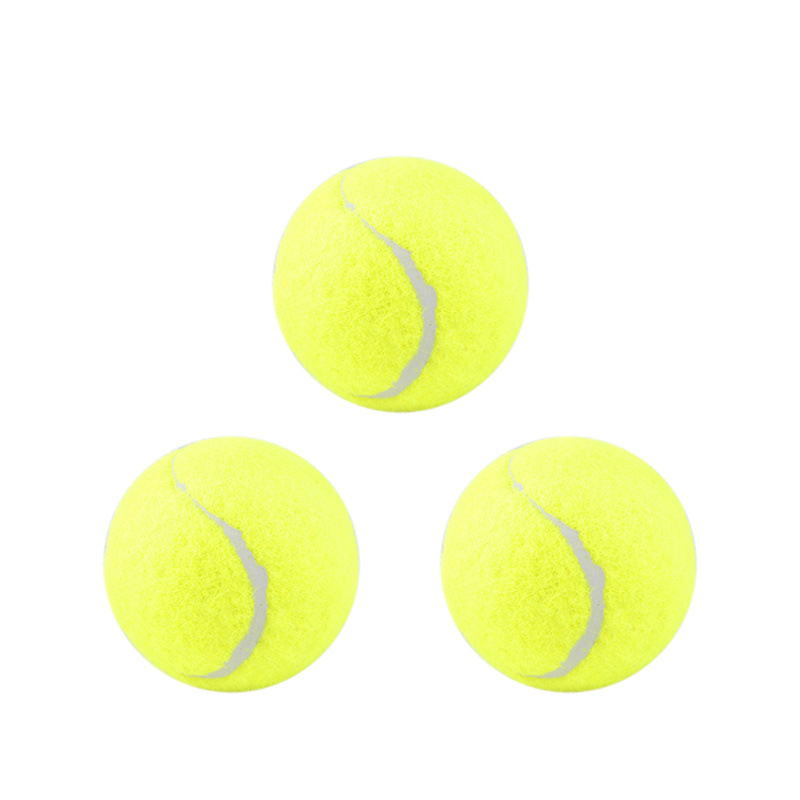
Humidity and Temperature Control
Every tennis player knows the annoyance of an uncooperative tennis ball that isn’t bouncing like it should. The mystery of flat tennis balls is simple—improper storage.Each summer it becomes a game of ‘how many balls in this can will end up being unusable because of the heat. The ‘ideal’ temperature storage of a can of tennis balls according to the International Tennis Federation is 10-25 degrees celcius and 40-60% humidity. The core of the tennis balls is rubber that holds the air for the ‘bounce’. Extreme temperatures will cause the core to break down. In hots the air inside the ball expands and it will leak out. In the cold the rubber becomes hard and inflexible. In the humidity range given above the felt of the ball will become ‘wet’ and heavy and will cause the ball to not fly the way it used to. The next time you need to store tennis balls for an extended period of time go for the simple safe option of the dry cupboard. Or for the extreme option that is displayed above go for the portable temperature controlled tennis ball container.
Sealed Storage of Tennis Balls
A tennis ball can is sealed at a certain atmospheric pressure. This keeps the tennis ball at a certain pressure. When the can is opened, the ball is no longer at optimal performance. One of the local tennis clubs I work with has coaches that recommend storage containers that are airtight. They believe that the ball's usable life can be extended by more than two weeks versus storing the balls in opened cans. USAPA (United States of America Pickleball Association) recommends storing opened tennis balls in tennis ball storage containers, as these create the same air pressure as the original can and prevent the air from escaping the rubber core. For casual players, storage containers that are airtight also work, but are not ideal. Anything that removes the air around the balls is helpful to maintain the internal pressure. Do not leave opened balls exposed to the air for long periods, and avoid placing them in a room that is cold, as they will slowly lose pressure. When the ball is exposed to air, pressure will decrease. This will result in a ball that plays below performance expectations.
Storage Locations to Avoid
There are numerous examples of poor storage of tennis equipment that can be detrimental to the life of a tennis ball that I have witnessed in players from the newly initiated to the most experienced.The temperature extremes that can occur in a closed car trunk can be greater than 60 degrees Celsius in the summer and less than 0 degrees Celsius in the winter. The high summer temperatures damage the integrity of the rubber core of the tennis ball and the freezing winter temperatures can do the same or make things worse. I once had a pupil who had a trunk full of tennis balls and who expressed the opinion that the balls were very dead after a few hours of play. Sunlight is another big no no because the UV rays from the sun will cause the cloth covering of the ball to deteriorate in record time and the rubber inside the ball will become very brittle and the ball will be prone to cracking. The same is true of other less extreme locations such as near hot or cold air vents at the ends of radiators or in cold, damp basements as the conditions in these locations will still be detrimental to the life of tennis balls. For best results select a storage location that is as constant, indoors, and is shielded from direct sunlight, heat and cold as possible.
Proper Bulk Storage for Clubs and Teams
When considering bulk storage for tennis balls by clubs, schools, or teams, one method will not fit all. Storage and regular inspections will be essential. I also work with a few local sports facilities, and they all follow the same rule: store unopened cans on shelves so that they are not close to the floor and moisture will not enter the cans, and they use the oldest set of balls first. In addition, the top of the cans should not be covered to the point where too much weight is applied to the top of the cans. If buttons are pressed, they will lose the pressurization that occurs before they are even unsealed. For open bulk balls, get large, commercial-grade bulk pressurized storage bins. As long as the storage is not opened, the balls will ready to play for several weeks. Check the balls stored for signs of wear and should be replaced. This type of storage will not only save money by reducing waste, but will also provide balls that perform to standard for every practice or game.
Ball Maintenance and Storage
While there’s a specific way to store new tennis balls and a way to store them post-play to help extend their life, this part of ball care is often overlooked. After a match or practice, tennis balls are often dirty, covered with sweat, and sometimes even damp. Tossing your balls into your bag without cleaning them is one of the worst things you can do. The dirt and sweat will break down the rubber and felt, and ruin the ball’s life, and potential, extremely quickly. Players often say to dry the balls with a cloth, so if the ball is covered with a lot of dirt, they should let the ball air dry and stay away from anything that could heat up the ball, as this will destroy the felt. It’s also generally a good idea to keep new balls separate from old ones. Playing with a set of new balls and a set of fully worn balls will throw off your timing and stroke. It’s worth the time to spend a few minutes cleaning the balls, as this will extend the life of the ball and keep it playing the same every time you go to court.
Quality Equipment and Proper Storage Makes You Better
The trick to playing great tennis starts with using good equipment as well as having great tennis balls in good condition. Just like you should use high-quality carbon fiber rackets made from premium materials and crafted using USAPA-certified cold and hot pressing techniques, you should use high-quality tennis balls that have been professionally maintained. Companies that manufacture tennis rackets pay attention to detail, whether it be in quality materials for rackets or other accessories like professional-grade tennis balls. Along with storing your balls in proper storage, quality tennis equipment made by expert craftsmen will enhance your skill on the tennis court. Proper ball storage even improves tennis equipment's quality and craftsmanship! With decent tennis equipment, you should store your balls properly so you will have a ball that performs well whenever you need it.