 EN



What Are the Key Drivers of Padel Racket Sales Growth
More courts can create opportunities for equipment sellers, but a busy venue does not automatically translate into a padel racket order. Sales depend on what happens between a first booking and a purchase: access to play, the player's reason to buy, the options available locally, and a retailer's ability to keep suitable stock. For brands and distributors, looking at those links is more useful than treating a single headline about the sport as a sales forecast.
Treat these drivers as a working framework, not a quantified market study. Their importance varies by location and channel. Before increasing a padel racket order, compare local participation signals with actual units sold, stock availability, and customer feedback.
1. Court access turns interest into a reason to buy
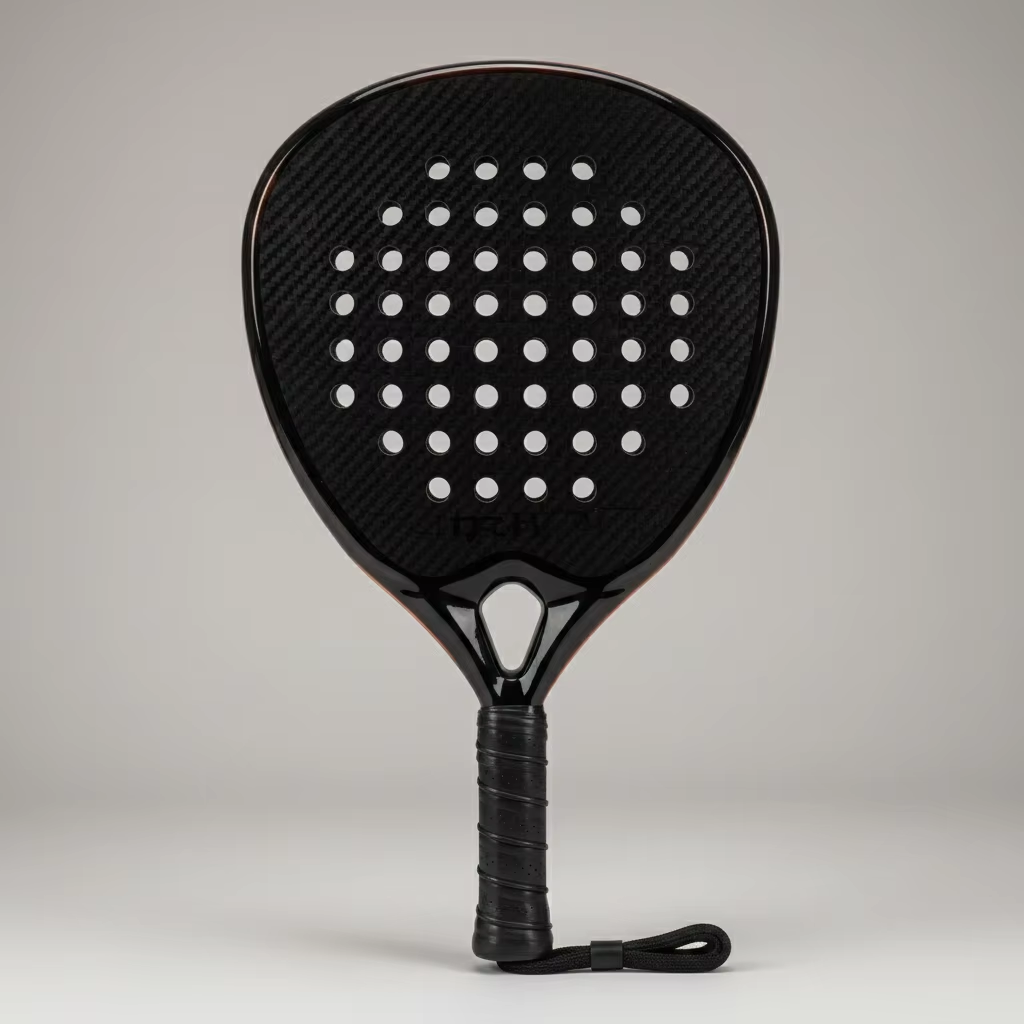
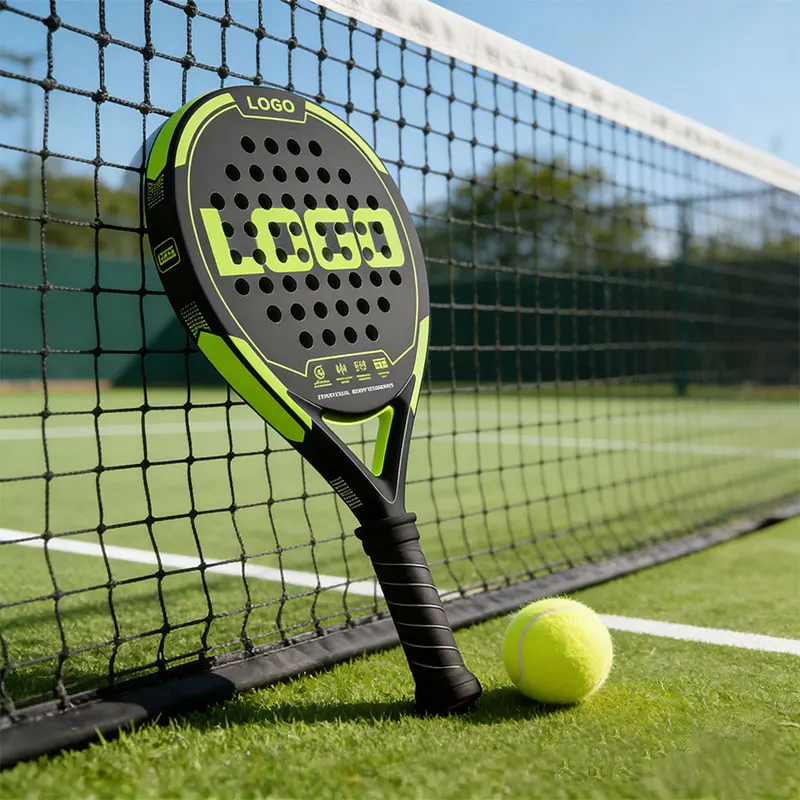
Padel is usually played in doubles on an enclosed court, using a solid, perforated racket. A player needs a place to play before a purchase becomes urgent. New venues, convenient booking times, coaching, and rental equipment can make a first session easier to arrange. If those new players return, some may decide that having their own padel racket is more convenient than renting.
That pathway has several possible breaks. A venue may attract visitors who only play occasionally, while a well-used club may lend equipment rather than sell it. Ask clubs about repeat bookings and the number of players moving from rental to ownership; do not assume that court openings and retail sales move in lockstep. A distributor can also check which neighborhoods have venues and whether nearby shops carry a suitable entry-level padel racket.
2. Social play and coaching support repeat participation
Because a typical match involves four players, friends, colleagues, and organized club groups can introduce one another to the game. Coaching and regular group sessions may help participants find partners and develop routines. The relevant commercial question is whether those routines last long enough for players to value owning equipment.
A retailer might support a club demo day or providing clear guidance to a coach rather than assuming that tournament coverage alone will sell a padel racket. Track how many participants ask for a recommendation and how many later purchase. A spike in event attendance is useful context, but it is not the same as a confirmed sale.
3. Different players need different product choices
A first-time buyer may focus on comfort and manageable handling; a regular player may have a clearer preference for balance, feel, or shape. The way a padel racket feels also depends on the combined design, not one isolated material label. Materials, core, weight, and balance should be considered together and checked against the supplier's specifications. A product description that explains these trade-offs gives a buyer more to work with than a generic performance claim.
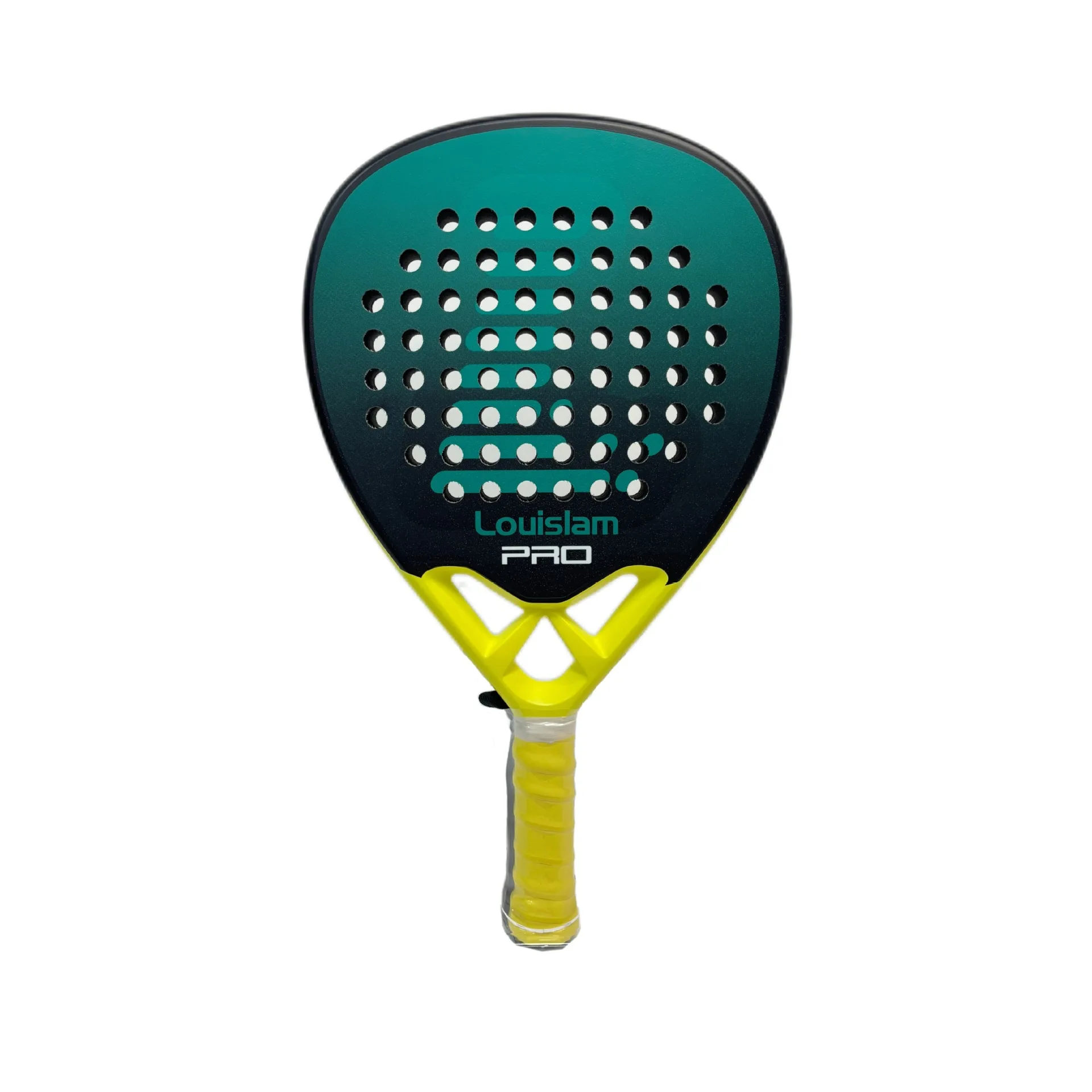
A shop could use a simple range to distinguish an introductory option from models aimed at players who already know their preferences. For a brand, a padel racket assortment can be planned around defined user groups rather than launching many visually different items with unclear roles. Samples and player feedback can help test the positioning; neither proves how well a product will sell in a new market.
4. Price and availability shape conversion
Interest can be lost if a customer cannot find a padel racket at a suitable price or wait time. A store may need an accessible entry offer, while experienced players may compare features and service rather than price alone. The right mix depends on local purchasing power, competing options, freight, duties, and the margin required by each channel.
Compare the full landed cost of a padel racket with the intended retail price before setting an order quantity. Include packaging, delivery, any applicable import charges, and expected service costs. Then review stockouts alongside sell-through: an empty shelf may reflect real demand, an ordering error, or a late shipment. Those situations call for different decisions.
5. Product discovery and trusted advice influence the purchase
Players may encounter the sport at a venue, then compare a padel racket online or ask another player for advice. A useful product page answers basic questions about the intended user, dimensions, weight range, and materials where those details are verified. Accurate photographs, local delivery information, and a clear returns process can reduce uncertainty at the point of sale.
Clubs and retailers can also explain why a particular padel racket belongs in their range. That does not require promising a specific playing outcome. It means setting a clear expectation, showing the actual specification, and inviting the buyer to compare options or try a sample where practical. Online views, inquiries, and completed transactions should be measured separately.
6. Reliable supply lets channels respond to demand
Sales growth depends on supply as well as consumer interest. If popular configurations cannot be replenished, a retailer may miss orders even when local participation is healthy. On the other hand, committing to a large padel racket shipment before checking demand can leave a distributor with slow-moving inventory.
When reviewing factory bulk padel racket supply, start with a written brief covering intended users, target specifications, quantity, packaging, destination, and desired delivery window. Request sample approval and clarify how revisions, inspection, and repeat orders will be handled. Confirm minimum quantities and production schedules directly rather than assuming that every design follows the same terms.
An export padel racket manufacturer should also be able to discuss the proposed specification, shipping arrangements, and documentation relevant to the destination. Verify each item for the actual order; a conversation about capabilities is not a substitute for an agreed purchase contract. Taspo Sports presents its racket-sport range on its website; ask for current product details and availability before making a selection.
How to test these drivers before placing a larger order
Use a short review period and keep the same definitions across channels. Start with a hypothesis, such as whether club introductions lead to sales of an entry-level padel racket. Record the evidence, make a modest purchasing decision, and compare the result with the original expectation.
- Participation: Review repeat bookings and lesson attendance where the venue can share them. Separate new visitors from returning players.
- Customer demand: Record inquiries, demo requests, and purchases by user segment. Ask whether the buyer previously rented a padel racket.
- Sales quality: Compare units sold, returns, sell-through, and stockouts by model and channel over matching periods.
- Supply: Check confirmed lead times, landed cost, sample feedback, and reorder timing for each configuration.
- Local fit: Compare the information with nearby court access, seasonality, and competing offers rather than applying a global assumption to every location.
A sustained increase in padel racket sales can have several causes at once, and this checklist does not prove which one caused a change. It does make the next question clearer: is the constraint attracting players, converting interest, choosing the right range, or keeping stock available? Use the answer to plan the next order, and update the plan as local evidence changes.

 Hot News



