 EN



What Makes a Quality Padel Ball Essential for Club Play
A busy club can have coaches running drills on one court, new players on another and a competitive match starting next door. Each group needs a padel ball that responds predictably, but they may not need a fresh tube at the same moment. For the person ordering and managing equipment, quality is about matching the ball to the session and keeping the experience consistent from one court to the next.
Look beyond the price printed on a tube. Bounce, felt condition, packaging and the way stock is rotated all influence whether a ball is useful for its intended session. A simple comparison on the club's own courts can make a purchasing decision much clearer.
Why the ball changes the club experience
A padel ball travels between rackets, court surfaces and walls throughout a rally. When a padel ball responds noticeably differently from the others in the set, players have to adjust their timing and coaches may find a drill harder to run consistently. A ball that feels flat or shows heavy surface wear can be moved out of match use and assessed for lower-intensity practice, provided it remains in a suitable condition.
Padel ball consistency matters across a tube as well as across a session. If one ball rebounds noticeably differently, swapping the whole set may be more useful than repeatedly replacing individual balls. Keep the balls from each tube together during an initial trial so staff can compare like with like.
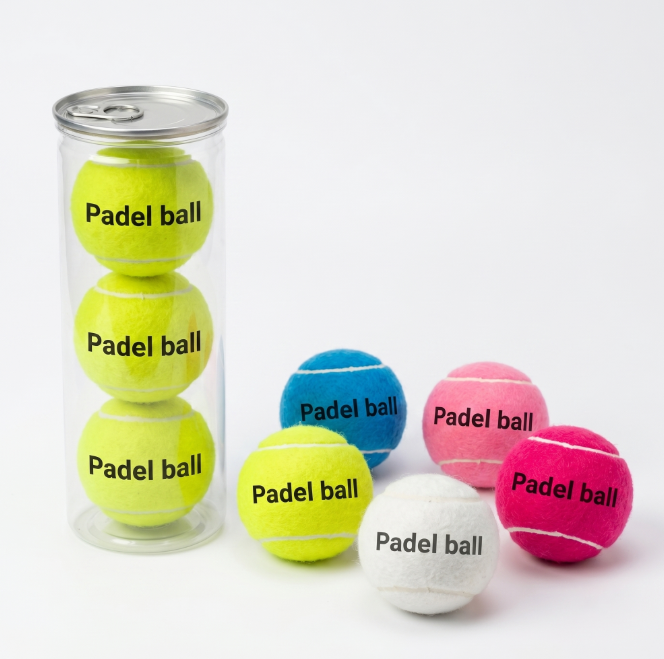
What to check before choosing a padel ball
Rebound and response
Start with a fresh padel ball set and observe how the balls respond during normal rallies, off the floor and against the wall. Ask players of different levels whether the speed and height feel manageable for the session. A fast-paced match and a beginner lesson can call for different priorities; neither preference is a universal measure of quality.
For a formal reference, the LTA's padel guidance describes an International Padel Federation test in which a new ball dropped from 2.54 metres onto a hard surface rebounds between 135 and 145 centimetres. It also lists a diameter of 6.35–6.77 centimetres and a weight of 56.0–59.4 grams. Check the current rules and supplier documents when competition eligibility matters. An informal club drop comparison is useful for spotting differences, not a substitute for a controlled compliance test.
Felt and visible wear
Inspect each padel ball's outer covering before and after use. Look for uneven wear, damage or a marked difference among balls that have played in the same session. Court conditions and intensity of play vary, so a neat-looking ball is not proof that its rebound is still suitable. Use the visual check alongside the on-court comparison.
Outdoor courts add practical questions. Keep a note of whether a trial took place on a dry or damp surface and whether conditions changed during play. Compare sets under similar conditions where possible rather than treating one rainy session as a verdict on a whole order.
Packaging and handling
A sealed, pressurized tube is part of the delivery format for many padel ball products. Examine the packaging on arrival and set aside damaged or visibly open tubes for discussion with the supplier. Keep unopened stock in a clean, dry place and follow the storage instructions supplied with the product. Once opened, date the tube or identify the set so that staff can distinguish fresh stock from balls already used for training.
Match the ball to the activity
For league fixtures, the padel ball priority may be a consistent response and alignment with the event's rules. Ask the organizer which ball requirements apply instead of assuming that any retail description establishes eligibility. Open a fresh set according to the event's own procedures and keep a spare available.
For lessons, a coach may value a manageable pace and enough consistency to repeat the same exercise. Record feedback separately from competitive play: a set that suits a controlled drill may not be the one players prefer for a fast match. For casual bookings, a clear handover process helps staff supply a usable set without mixing it with heavily used practice balls.
There is a trade-off. Opening a new tube for every short practice could increase consumption, while keeping a worn set in match rotation can change the experience. The right replacement point depends on the club's sessions and the condition of the balls, not a universal number of playing hours.
How to compare samples on court
- Set the session: Pick the same court and a comparable session type for each sample. Note the surface condition and who is testing.
- Keep sets separate: Mark each tube and record when it was opened. Do not mix balls from different samples during the comparison.
- Observe the response: Check the initial rebound, play ordinary rallies and include wall shots. Record obvious differences within each set.
- Review after use: Ask a coach and players for comments on control, speed and visible wear. Note the length and intensity of the session rather than relying on a single impression.
- Decide the next use: Separate match-ready stock, practice sets and balls that should be removed from play. Repeat the comparison if conditions were unusually different.
This padel ball comparison is a practical buying exercise, not a laboratory test. It will not establish certification or predict exactly how long every ball in a later shipment will last. It does give the club a consistent way to discuss samples and ask follow-up questions.
Plan a wholesale order around actual use
When comparing pressurized outdoor padel balls wholesale, ask for the full specification, the number of balls per tube, the number of tubes per carton and the intended storage guidance. Request a sample and a written quotation that states the order quantity, delivery terms and any agreed packaging details. Confirm availability rather than assuming that a listing applies to every market or order size.
A search for outdoor padel balls tube bulk can return prices expressed per ball, tube or carton. Convert each quotation to the same unit before comparing it. Then add the shipping and other applicable charges from the quote. A lower unit price is less useful if the pack size does not fit the club's storage space or the delivery schedule does not fit its calendar.
For repeat orders, agree on how product identification and any batch information will appear on the packaging. Ask what the supplier needs if a tube arrives damaged or a shipment differs from the agreed specification. Keep the sample notes and quotation together so that the next order starts with a documented decision rather than memory alone.
A straightforward rotation routine
Separate unopened padel ball tubes from active sets. When a fresh tube is opened, label it with the date and session type; after play, return the balls to the same marked container. At a regular staff check, compare their rebound and visible condition with a fresh reference set. Move a set to an appropriate practice use when it no longer meets the club's match expectations, and remove damaged balls from play.
Finally, review consumption against bookings and scheduled events. The aim is not to prescribe a fixed replacement interval, but to ensure that coaches, players and purchasing staff use the same criteria. A quality padel ball is only one part of that system; clear testing, careful storage and a documented order make its contribution easier to maintain.
 Hot News



