When evaluating protective moisture gear for high-heat tournament environments, most buyers stop at basic fabric labels without examining the microscopic geometry of the individual filaments. Standard textile yarns are extruded through circular spinnerets, producing smooth, cylindrical rods that pack tightly together and trap liquid water in stagnant pockets. During intensive games where cardiovascular output pushes skin perspiration past peak thresholds, cylindrical fibers quickly reach saturation equilibrium and stop pulling fresh moisture off the epidermis. Understanding how to choose a high-performing sports sweatband begins with auditing yarn cross-sectional engineering. Advanced textile mills replace round filaments with cruciform or four-channel grooved synthetic yarns mixed with long-staple organic fibers. Extruding each microscopic filament into an X-shaped or multi-lobular profile increases the effective external surface area of the sweatband material by over forty percent without adding a single gram of extra weight. The four longitudinal micro-grooves running along every strand act as open-channel siphon tubes; the instant a drop of perspiration touches the inner loops, capillary pressure propels the fluid rapidly toward the exterior evaporative canopy in less than zero point eight seconds. Specifying grooved-channel sweatband material ensures that an athletic wristband continues drawing moisture actively across three grueling hours of match play rather than turning into a saturated sponge after the opening set.
In fast-paced court disciplines and contact team sports, an athlete raises their forearm to wipe their forehead, eyelids, and cheekbones more than two hundred times per match. A critical mechanical flaw hidden inside budget promotional bands is crude interior overlock stitching. Low-cost workshops manufacture wristbands by cutting flat strips of terry cloth, folding them in half, and sewing the raw edges together with thick, rigid nylon monofilament thread—creating a bulky, raised internal ridge along the seam. When skin becomes softened by warm, salty sweat during intensive games, rubbing a rough monofilament seam repeatedly across the delicate skin around the eyes or over the bony ulnar styloid process of the wrist causes painful epidermal micro-abrasions and red chafing rashes. Discerning athletes and team equipment managers avoid this dermatological irritation by selecting a sports sweatband engineered with seamless circular tubular knitting or four-needle, six-thread flatlock closing seams. In true tubular circular knitting, the entire cylinder of the athletic wristband is formed continuously on a fine-gauge rotating needle bed without a single longitudinal side seam. At the horizontal cuff closure, ultrasonic thermal bonding or recessed flatlock stitching using soft textured microfiber thread keeps the interior contact surface completely flush, guaranteeing chafe-free comfort when wiping sensitive facial skin between high-pressure points.
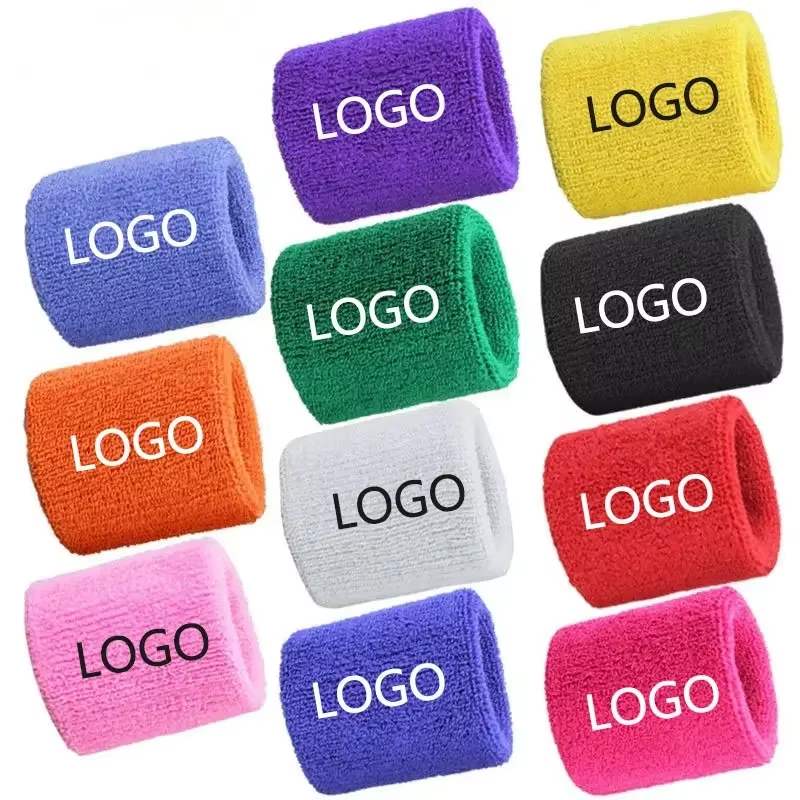
Anyone who has opened an athlete's gear bag twenty-four hours after a weekend tournament knows the unmistakable stench of damp, unwashed textile accessories. While eccrine sweat consists primarily of water and electrolytes, high-stress competitive pressure during intensive games activates apocrine glands, which secrete lipid-rich proteins onto the skin surface. Once absorbed deep into warm, humid sweatband material, these organic lipids become an ideal breeding ground for Staphylococcus epidermidis and Corynebacterium microbes. Within hours, rapid bacterial metabolism breaks down sweat proteins into volatile short-chain fatty acids, generating foul odors that survive standard cold-water laundry cycles while triggering wrist folliculitis and skin breakouts on players with sensitive complexions. Choosing a hygienic sports sweatband requires verifying that the yarn matrix incorporates permanent antimicrobial chemistry. Rather than spraying temporary topical biocides that wash out down the drain after three rinses, authoritative manufacturers embed microscopic silver-ion ceramic particles or zinc-pyrithione polymers directly into the molten synthetic core filaments prior to spinning. When moisture enters the athletic wristband, trace silver ions disrupt bacterial cell-wall division on contact, achieving a certified ninety-nine point two percent reduction in odor-causing microbial colonies across fifty commercial wash cycles while keeping the fabric fresh throughout multi-day championship road trips.
Beyond moisture transport and hygiene, a properly engineered wrist accessory serves a vital biomechanical role in stabilizing the complex carpal joint during explosive directional changes. In racquet sports, basketball, and cross-training, the triangular fibrocartilage complex—located on the pinky-finger side of the wrist—endures immense shear stress whenever the forearm pronates or supinates rapidly under load. While rigid orthopedic braces restrict the wrist flexion required to snap an overhead smash or flick a backhand drop shot, an uncalibrated, overly loose cloth band offers zero structural feedback. Knowing how to select a technical sports sweatband for intensive games involves matching the rib-knit compression gradient to the athlete's joint stability requirements. By alternating two-by-two rib-knit cuffs with variable-density elastane plating through the central body of the athletic wristband, engineers deliver a targeted micro-compression profile measuring between fifteen and twenty millimeters of mercury. This calibrated circumferential hug retains soothing metabolic warmth around the wrist ligaments—preventing tendon stiffness during pauses between games—while stimulating cutaneous proprioceptors that heighten the brain's awareness of extreme wrist extension angles. Competitors gain subtle dynamic stabilization that reduces minor ligament sprains without sacrificing a single degree of rotational whip freedom.
For international sporting goods brands, tournament merchandise directors, and multi-court academy chains, procuring performance wrist and head gear requires auditing how the product survives relentless solar radiation and harsh laundering. Outdoor athletes competing in summer intensive games expose their accessories to intense ultraviolet rays that trigger photo-oxidation in inferior elastomers; within a month of outdoor play, cheap bands suffer dye fading, yellow discoloration, and brittle elastic snapping. World-class sweatband material must pass ISO 105-B02 xenon-arc light fastness testing alongside chlorinated-water and alkaline-perspiration aging audits, ensuring that vibrant neon team colorways and crisp white stripes remain brilliant across a full outdoor season. Executing these advanced filament geometries, antimicrobial infusions, and seamless flatlock finishes at commercial volume demands partnering with a vertically integrated industrial leader. In the global sporting goods manufacturing sector, Taspo stands as a premier accessories manufacturer and turnkey OEM partner for prestigious international athletic brands. Operating computerized fine-gauge circular knitting machines, antimicrobial yarn spinning lines, high-density 3D embroidery stations, and automated retail packaging systems, Taspo engineers every custom sports sweatband and athletic wristband to exact tournament specifications. Partnering with a trusted accessories manufacturer like Taspo guarantees commercial brands chafe-free construction, permanent odor control, and scalable global supply chains.
 Hot News
2026-11-11
2026-11-11
2026-11-11
2026-11-11
2026-11-11
2026-11-11
 EN


