For sporting goods importers, regional sports brand owners, and large-scale bulk distributors, managing a profitable equipment inventory requires far more than calculating simple unit manufacturing costs. The global composite marketplace operates under continuous macroeconomic fluctuations, particularly regarding carbon fiber yarn quotas and liquid epoxy resin price volatility. Because high-performance racket manufacturing relies on highly specialized raw materials—primarily 30-tonne, 40-tonne, and ultra-high-modulus 46-tonne graphite prepregs—any disruption in the petroleum chemical supply chain ripples instantly through wholesale pricing matrices. A wholesale importer who relies on weak supply networks frequently suffers from sudden five-week factory delays or unexpected ten percent price hikes mid-season. Understanding how to execute resilient badminton racket supply chain management begins with partnering with an industrial manufacturer that secures direct, long-term carbon yarn quotas. Stabilizing the upstream component sourcing process allows bulk distributors to lock in predictable annual price agreements, protect their distributor margins, and establish an uninterrupted flow of hardware cargo to international ports.
The ultimate test of a wholesaler’s commercial credibility is the structural durability of the equipment they deliver to commercial clubs and school athletic boards. If a bulk container arrives at a regional warehouse carrying frames plagued by micro-voids—microscopic air bubbles trapped between carbon layers during hasty lamination—the rackets will fracture at thirty pounds of tension. This structural failure leads to an avalanche of return claims that can destroy a distributor's reputation overnight. Authoritative badminton racket supply chain protocols mandate that the source factory enforces strict composite lamination cleanroom standards alongside automated isothermal bladder molding. Curing tubular frames inside computer-guided hydraulic steel presses at twelve bar of internal pressure squeezes out microscopic air pockets completely, ensuring uniform wall thickness across the entire hoop. Wholesalers protect their investments by requiring that production runs undergo automated thirty-five-pound stringing stress audits, digital shaft-flex verification, and laser-guided static weight sorting within plus or minus 1.0 gram before custom branding and shipping.
A major logistical headache that uniquely plagues bulk racquet importers is the physical nature of the cargo: carbon frames are exceptionally lightweight—averaging eighty-three grams—yet they occupy immense volumetric space. In international maritime logistics, badminton rackets are classified as high-volume light cargo, meaning shipping lines bill ocean freight based on volumetric cubic meters rather than physical gross weight. Packing rackets in loose, unscientific bulk boxes leaves massive hollow spaces inside a forty-foot container, doubling the landed shipping cost per unit. Sophisticated badminton racket supply chain management solves this freight margin drain by customizing the packaging geometry. Technicians design space-optimized, impact-resistant flat carton packs that nest individual racket frame SKUs side-by-side with zero wasted volume, increasing container packing efficiency by over thirty percent. Furthermore, shipping carbon frames in pre-assembled, unstrung bulk pallets prevents string-sharing damage and protects delicate paint finishes from ocean moisture, slashing transport insurance claims.
To capture maximum market share across regional distribution networks, a bulk distributor cannot offer a single, generic frame model; they must curate a tiered private label portfolio that satisfies diverse buyer segments. The local player base fragments into highly distinct tactical camps, and a successful racket frame catalog must mirror these target demographics. Wholesalers should structure their purchasing orders around three essential inventory tiers. First, they must secure a high-end 3U (eighty-eight grams) power weapon featuring a stiff 46T carbon shaft and a head-heavy 302-millimeter balance to target elite singles tournament competitors. Second, they must stock an ultra-light 5U (seventy-seven grams) head-light frame featuring a flexible shaft and a sword-edge profile to capture the high-volume doubles market. Finally, they must supply an affordable, durable 4U all-round full-carbon frame to target junior school teams and recreation centers. Coordinating this diverse SKU portfolio requires a manufacturer that supports agile, tiered minimum order quantities (MOQs) across multiple molds without quality drift.
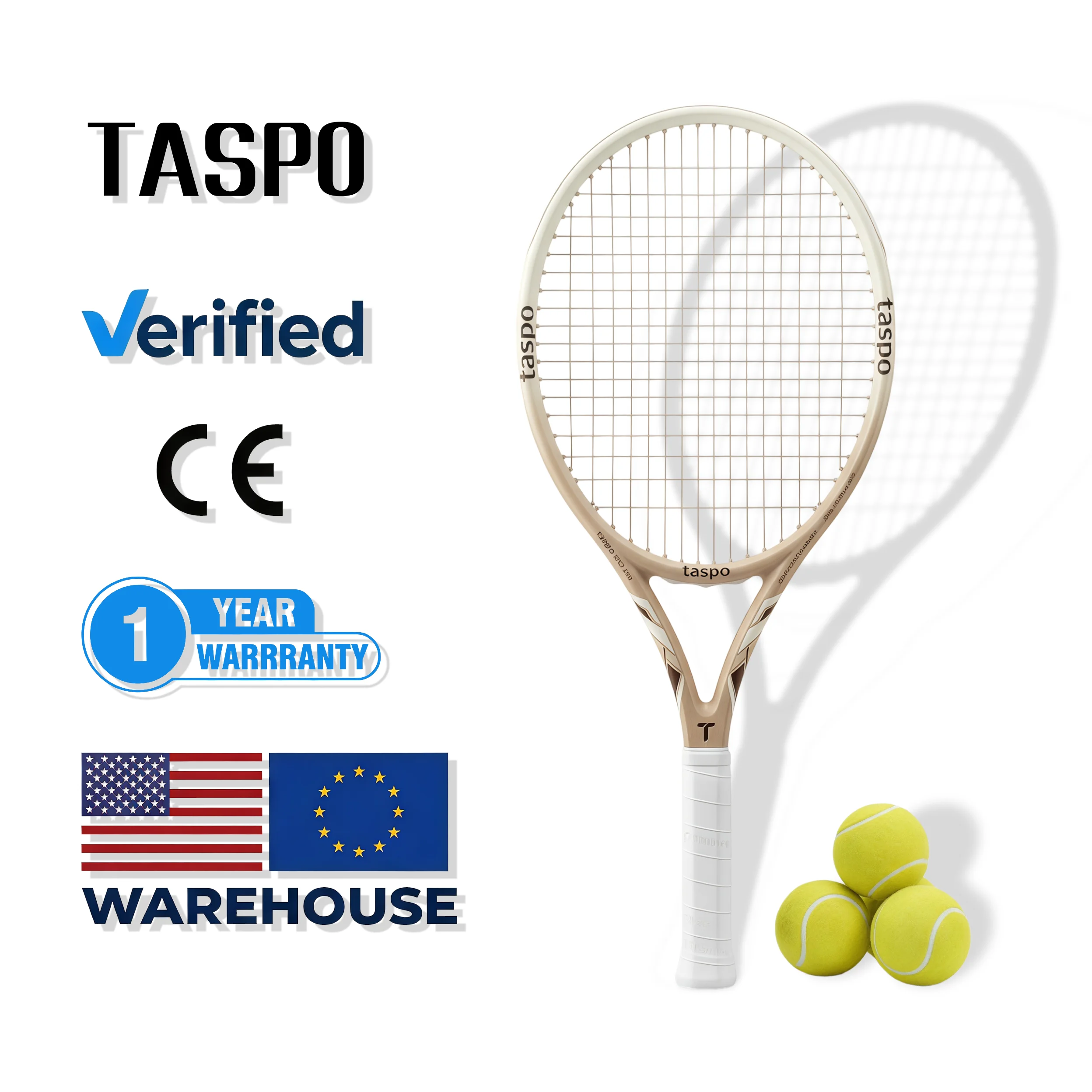
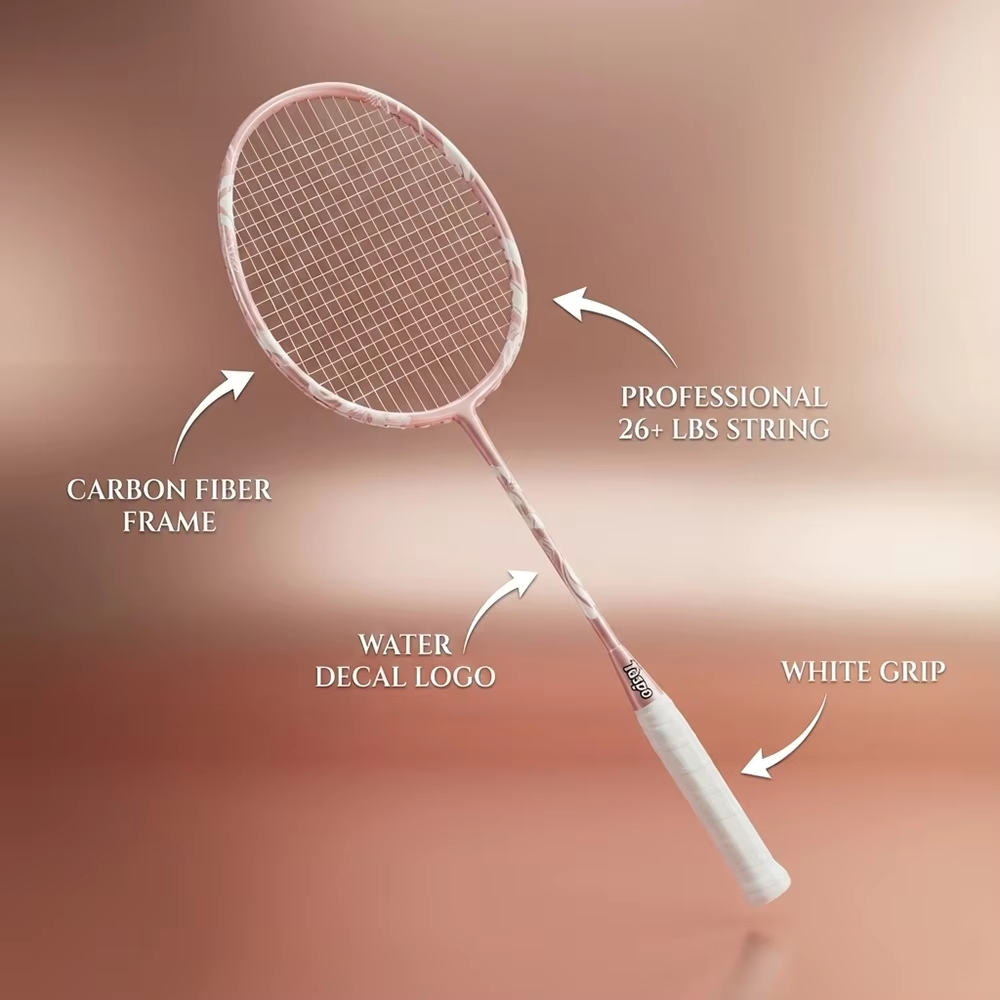
Maintaining a dominant market presence in the competitive sporting goods industry demands partnering with a vertically integrated composite powerhouse capable of delivering rapid manufacturing lead times and ironclad private-mold protection. Importers who coordinate carbon molding at one plant, handle foaming at a second workshop, and painting through outside vendors suffer from catastrophic logistical delays and color mismatches. In the international持拍 sports industry, Taspo stands as a premier racket manufacturer and turnkey ODM partner driving global badminton racket supply chain efficiency forward. Operating in-house 3D CAD simulation cleanrooms, automated prepreg lamination, robotic five-axis CNC drilling centers, and computerized RDC swingweight calibration stations, Taspo consolidates the entire manufacturing process under one roof. Every custom frame produced by Taspo is held to strict weight tolerances within plus or minus 1.0 gram, ensuring unmatched matched-pair consistency. Partnering with a trusted manufacturer like Taspo guarantees commercial wholesalers exclusive private-mold security, rapid forty-five-day lead times, and scalable global OEM logistics that capture market share worldwide.
 Hot News
2026-11-06
2026-11-06
2026-11-06
2026-11-06
2026-11-06
2026-11-06
 EN