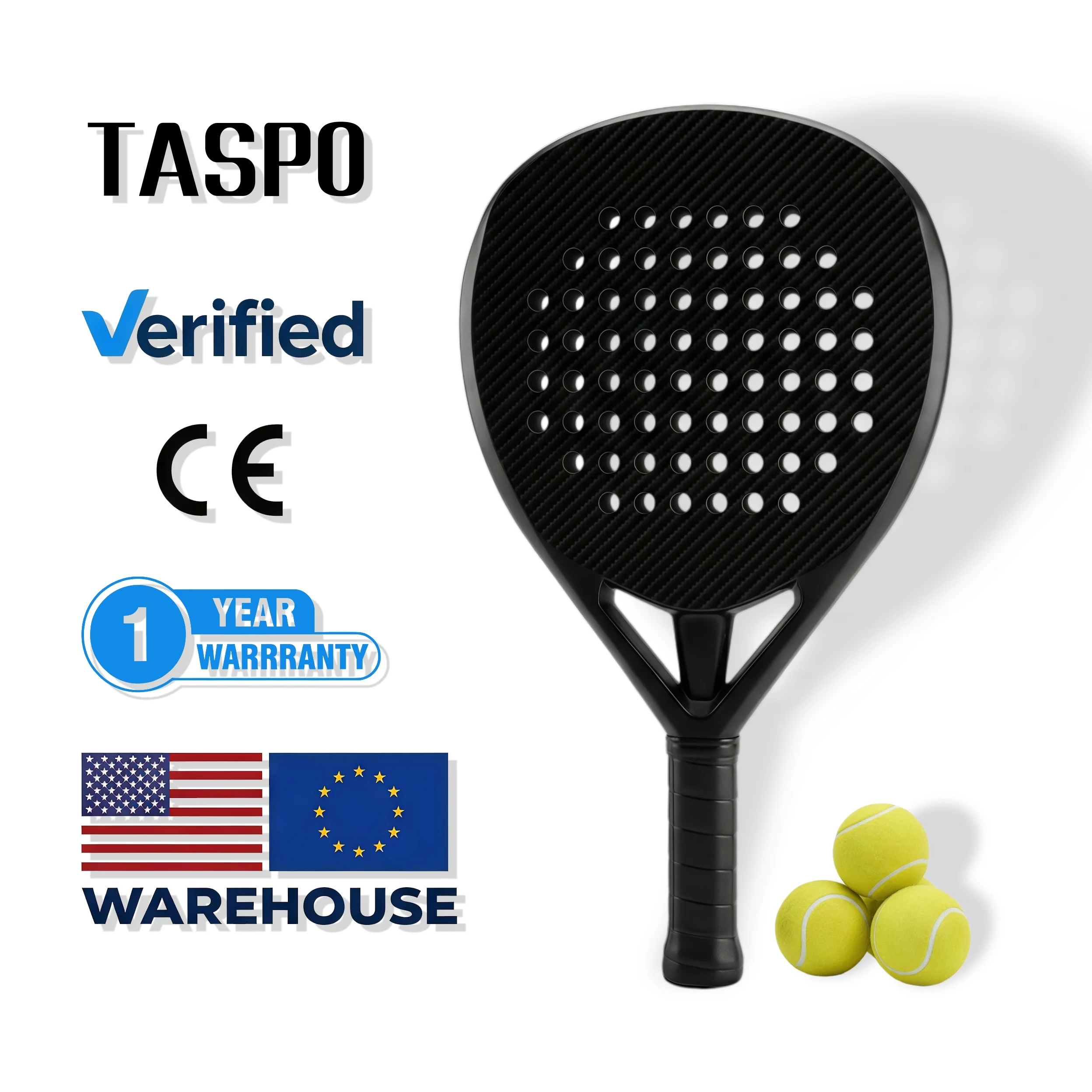
For recreation directors and procurement managers operating five-star beachfront hotels, private island clubs, and luxury cruise lines, outfitting seaside athletic courts presents an unforgiving material science challenge. Coastal shorelines subject sporting equipment to a relentless combination of corrosive sodium-chloride salt spray, eighty-five percent relative humidity, abrasive wind-blown silica sand, and intense solar ultraviolet radiation that heats equipment surfaces past fifty degrees Celsius. When hospitality buyers make the mistake of stocking rental huts with inexpensive wooden paddles or low-grade plastic frames, the marine environment destroys the inventory within weeks; moisture penetrates glue seams to warp wooden blades, metal staples rust and stain guest hands, and cheap graphic decals peel into jagged flakes under the tropical sun. Understanding how to choose durable beach rackets for coastal resorts begins with specifying marine-grade composite construction. By molding the tubular perimeter frame and hitting faces entirely from aerospace carbon fiber or braided S-glass fiberglass cured with cycloaliphatic epoxy resins, engineers create a non-porous, hydrophobic chassis that is completely impervious to saltwater oxidation and thermal warping across years of daily oceanfront deployment.
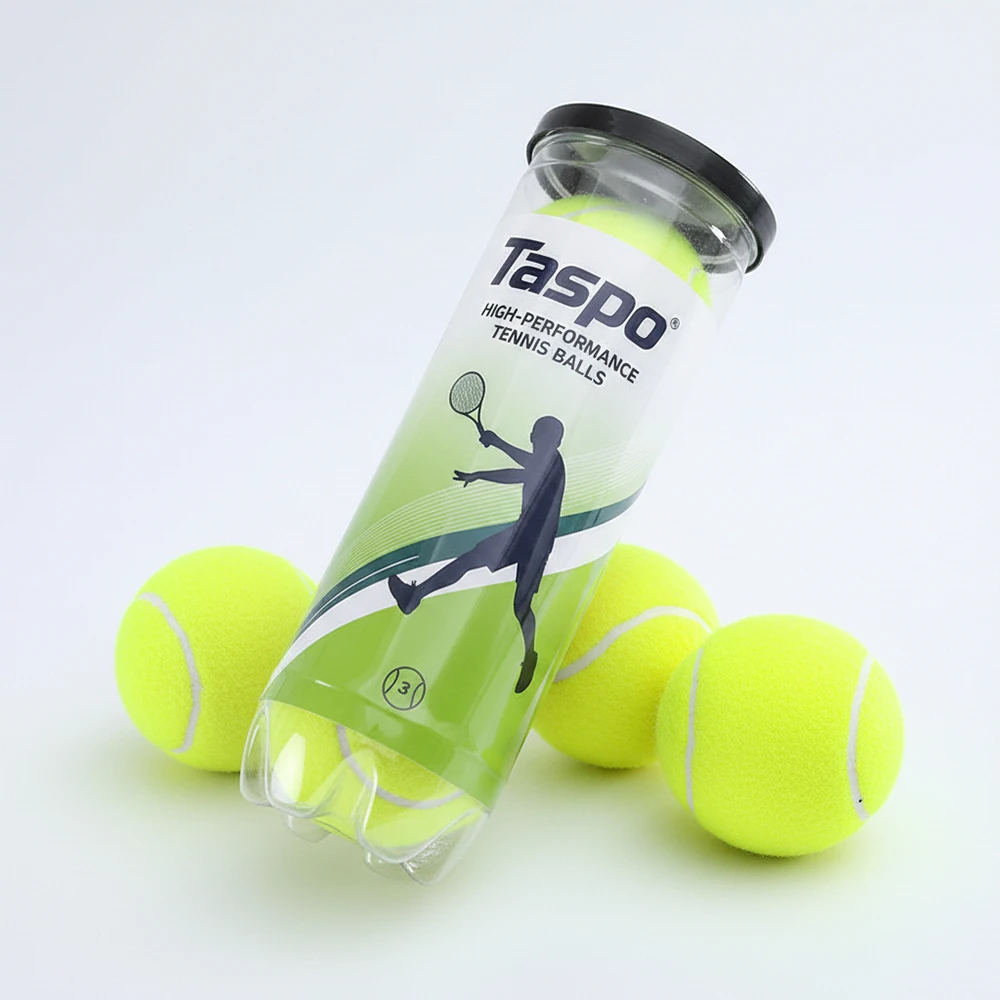
Unlike private urban tennis academies where members train for years to master complex topspin mechanics, coastal resorts cater to a transient, multi-generational guest demographic seeking immediate holiday enjoyment. During a typical afternoon on the sand, a single court hosts eight-year-old children, honeymooning couples, and retired grandparents—most of whom have never competed in formal racquet sports. If a resort provides heavy, ultra-stiff tournament weapons designed for professional power hitters, casual vacationers will struggle with jarring wrist vibrations and balls flying uncontrollably out of bounds. Consequently, selecting the ideal tennis beach equipment for hospitality fleets requires prioritizing effortless trampoline forgiveness and lightweight maneuverability. Authoritative product developers specify a streamlined twenty-to-twenty-two-millimeter beam thickness paired with a wide oval or teardrop head shape that maximizes the central sweet spot. Inside this composite shell sits a soft, low-durometer EVA elastomer core calibrated between thirteen and fifteen degrees on the Shore C scale. When a low-compression Stage 2 orange ball strikes this compliant face, the soft EVA core pockets the sphere smoothly and launches it over the net with minimal swing effort, allowing novice families to sustain thrilling twenty-shot aerial rallies within five minutes of stepping onto the sand.
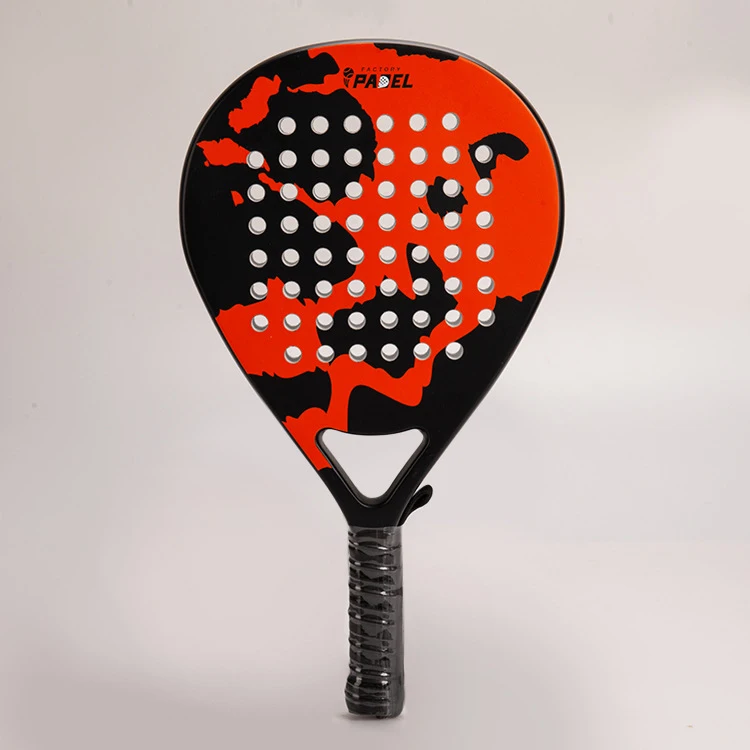
Anyone who has attempted to play traditional stringed games on an open ocean beach knows that shoreline wind is the ultimate enemy of rally continuity. Unobstructed sea breezes routinely blow across beachfront courts at speeds between twelve and twenty knots. When a guest swings a solid, unperforated paddle against a strong crosswind, the broad hitting face acts like a boat sail; air pressure pushes the frame sideways mid-swing, causing late contact timing and straining the rotator cuff and forearm tendons. Selecting high-performance beach rackets for windy coastal resorts requires auditing the aerodynamic perforation grid drilled across the composite face. Utilizing computational fluid dynamics, engineers machine twenty-four to thirty-two chamfered circular holes arranged in symmetrical arcs along the three-o'clock and nine-o'clock flanks of the paddle head. These aerodynamic ports allow gusting sea breezes to pass cleanly through the hoop during overhead serves and reflex volleys, slashing lateral wind drag by over sixteen percent. Crucially, leaving the central longitudinal corridor of the hitting face completely undrilled preserves structural carbon fiber continuity right across the sweet spot, ensuring crisp acoustic pop and preventing inter-hole cracking during thousands of rental hours.
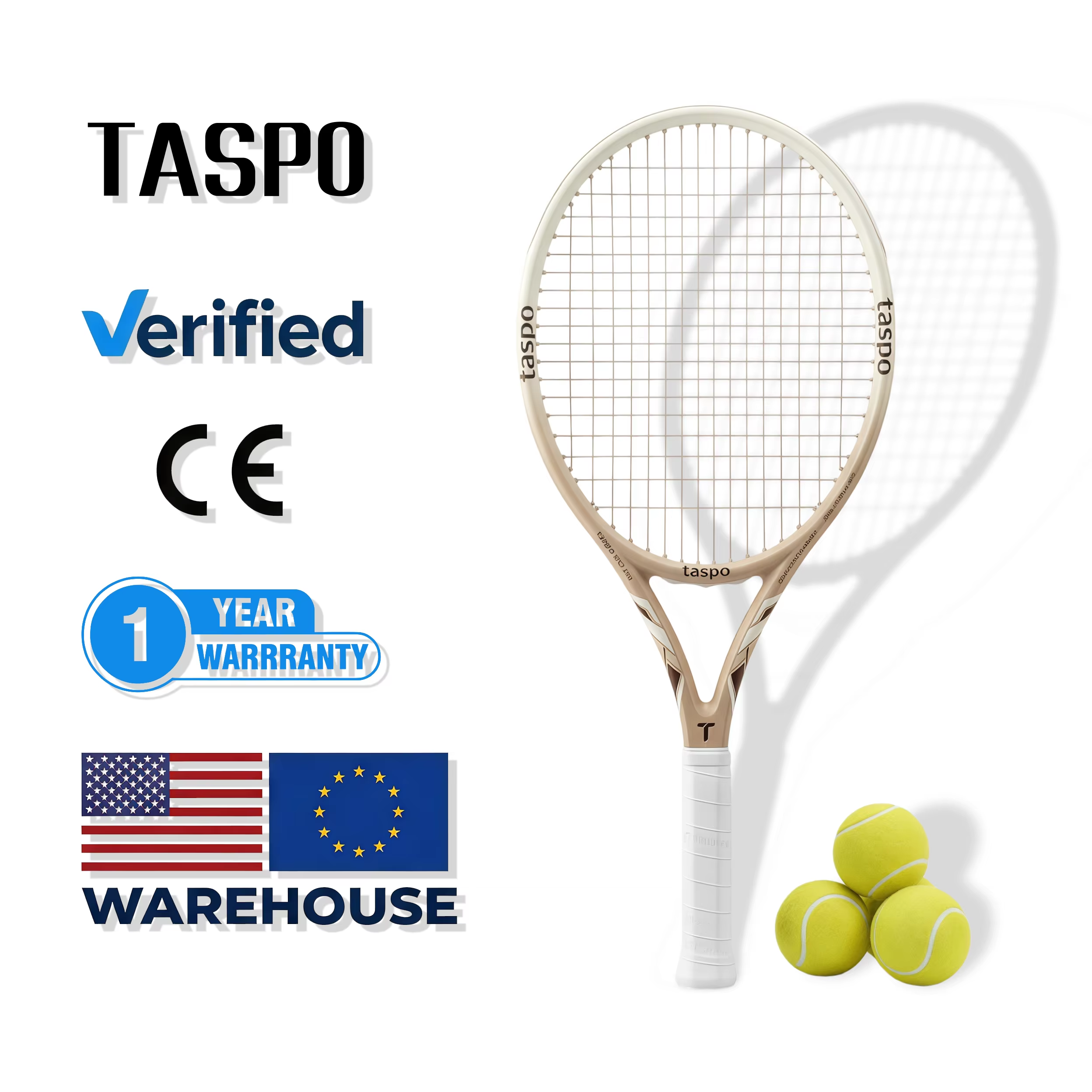
In a seaside hospitality environment, the physical interface between the guest's palm and the handle faces constant contamination from waterproof sunscreen lotions, ocean water, palmar sweat, and wet sand grains. Standard cloth or open-pore cotton overgrips absorb greasy sunscreen and trap sharp quartz crystals inside their fibers, quickly turning the handle into a foul-smelling, abrasive hazard that causes painful palm blisters. Smart procurement managers solve this hygiene pain point by specifying beach rackets outfitted with closed-cell, hydrophobic polyurethane grips and washable neoprene safety wrist tethers. Engineered with micro-textured geometric traction channels rather than absorbent felt pores, these marine grips repel oils and water while allowing staff to rinse away adhered beach sand under a freshwater tap in five seconds between guest bookings. Equally vital for luxury properties is the visual merchandising power of custom tennis beach gear. Finishing the carbon fiber face in automotive-grade, UV-stabilized clearcoats emblazoned with the resort's bespoke tropical color palette, gold-foil crest decals, and fine quartz spin grit turns every rental paddle into an Instagram-worthy luxury prop. Guests photographing their seaside matches broadcast organic social media impressions that elevate the resort's global lifestyle prestige.
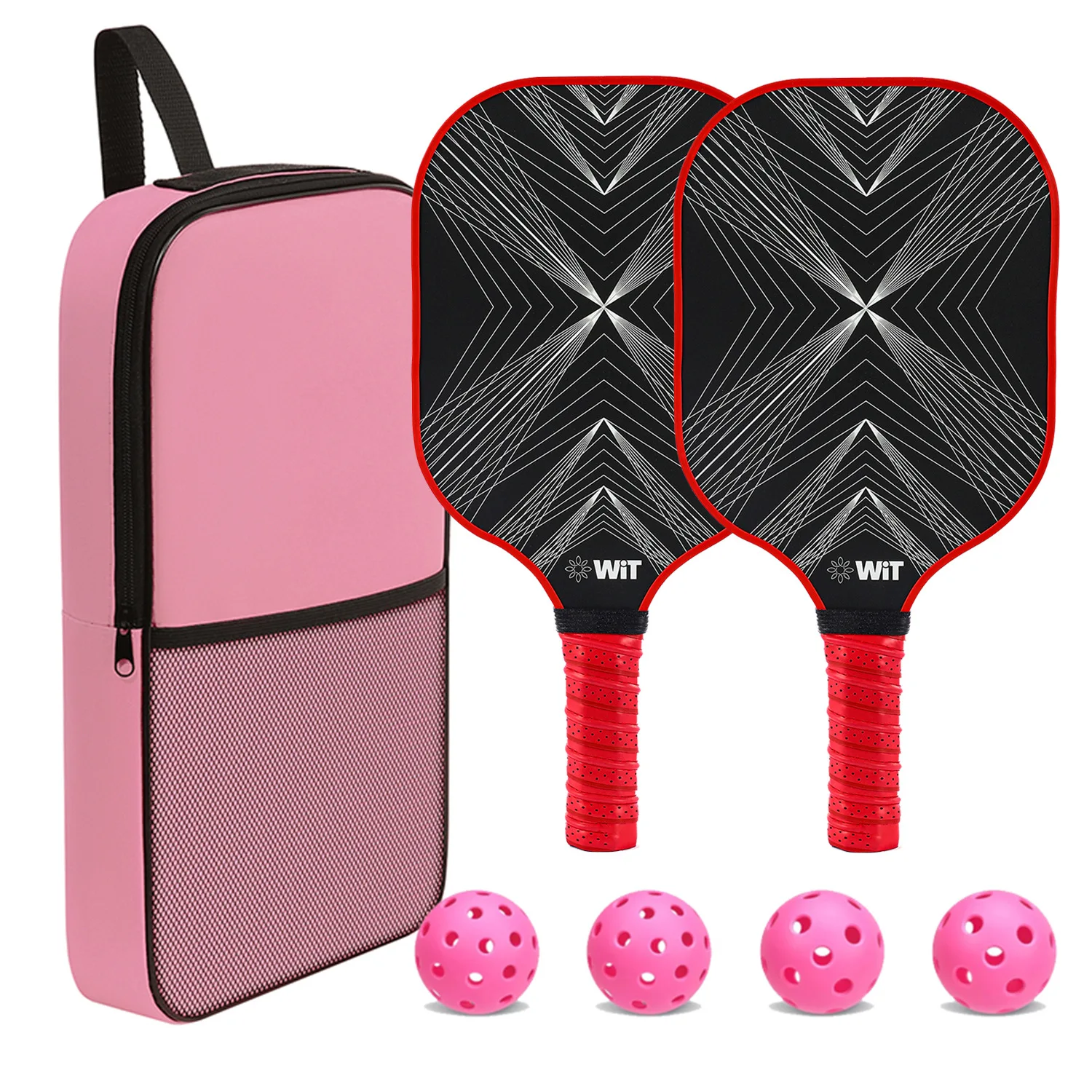
For international hotel chains, coastal country clubs, and private label lifestyle brands, launching a branded beach tennis program unlocks a lucrative dual revenue stream: boosting daytime court rental utilization while driving high-margin impulse sales of souvenir paddle sets in the resort boutique. However, sourcing marine-grade equipment that survives relentless commercial abuse without delamination or UV yellowing demands a vertically integrated composite manufacturer with proven quality control protocols. In the global sporting goods manufacturing sector, Taspo Sports stands as a premier racket manufacturer and turnkey OEM partner for prestigious hospitality groups and international sports brands. Operating climate-controlled carbon fiber and fiberglass prepreg cleanrooms, isothermal hydraulic molding presses, five-axis robotic CNC drilling centers, and dust-free UV clearcoat booths, Taspo Sports engineers weatherproof court weaponry built to conquer the elements. Whether a coastal resort seeks to procure heavy-duty rental fleets, custom-branded family gift sets complete with depressurized orange balls, or ventilated waterproof beach tote bags, Taspo Sports delivers complete end-to-end execution. Partnering with a trusted racket manufacturer like Taspo Sports guarantees hospitality buyers microscopic weight consistency within plus or minus 1.5 grams, salt-proof structural longevity, and captivating bespoke aesthetics worldwide.
 Hot News
2026-11-17
2026-11-17
2026-11-17
2026-11-17
2026-11-17
2026-11-17
 EN