 EN



How to Display Custom Tennis Racket Specs on Catalogs
A catalog can make a custom tennis racket look attractive and still leave a buyer unsure what is being offered. Is the weight measured with strings? Does the grip code describe circumference or color? Can the pictured finish be ordered? A useful catalog answers those questions before the sales conversation starts.
For a product coordinator, the task is to turn an approved specification sheet into a page that retailers, brand teams and suppliers can read in the same way. The approach below separates measured facts from design choices and marks anything that still needs confirmation.
Start with a consistent specification card
Give each custom tennis racket configuration a distinct model or variant code, a clear product image if an approved one is available, and a compact block of comparable fields. Keep the same field order across the range so a reader can scan two options without decoding a different layout for each one.
- Head size: the stated hitting-area size, with square-inch and square-centimeter units if your audience needs both.
- Length: overall frame length, stated in inches or centimeters.
- Weight: the measured value or approved range, labeled strung or unstrung.
- Balance: the distance from the handle end, with the measurement condition.
- String pattern: the number of main and cross strings, in that order.
- Grip: available handle sizes and the sizing convention used.
- Material and finish: confirmed frame construction and the approved color or graphic for that variant.
Keep availability, order terms and packaging in a separate commercial block. A specification card describes a configuration; it does not by itself establish a price, production capability or delivery date.
Label the measurement conditions
A custom tennis racket weight is only useful for comparison when readers know what was on the frame during measurement. Specify whether strings, grip, overgrip, dampener and any added accessories were included. Use the same condition for each model in a comparison table. If a value is an approved target rather than a measured result, label it as a target.
For balance, identify the reference point as the handle end and state the unit. A strung balance and an unstrung balance should not share an unlabeled column. If the supplier provides tolerances, display them beside the target and identify the approved measurement method. Do not invent a tolerance just to fill the space.
Use a single source unit before converting for another market, and round consistently. For example, a hypothetical 300 g unstrung value is about 10.6 oz; that illustration is not a specification for an actual product. Show the original approved value as well as the conversion so a later revision can be traced.
Explain the fields without promising an outcome
A concise definition next to each term helps a retailer explain a custom tennis racket to a shopper. Head size describes the string-bed area. Weight is the mass under the stated conditions. Balance describes where the racket balances relative to the handle end. These characteristics can influence feel, but they do not establish how a particular player will perform.
For string pattern, write “mains × crosses.” A notation such as 16 × 19 is an example of 16 main strings and 19 cross strings, not a claim that a listed model has that pattern. When recommending a string tension, use the range confirmed for the specific frame and identify the unit; leave it out if no approved range is available.
Grip labels can vary by market. List the actual handle circumference alongside the applicable size code, and indicate whether the measurement includes the base grip. For material, name only what the supplier has documented. A fiber name alone does not describe the full layup or establish a performance claim.
Build a comparison table buyers can use
Place variants in columns and specifications in rows, with units in the row labels. A custom tennis racket range might compare frame length, head size, weight and balance first, then show grip, graphics and packaging as separate rows. Mark a missing value “not confirmed” in internal working files; omit it from a public catalog until it is verified.
Make each column correspond to one identifiable variant. If a frame has several grip sizes, either list the choices inside that variant or give each orderable combination its own code. Keep the conditions visible on mobile as well as in a PDF. A footnote that disappears when a table is cropped can change the meaning of a value.
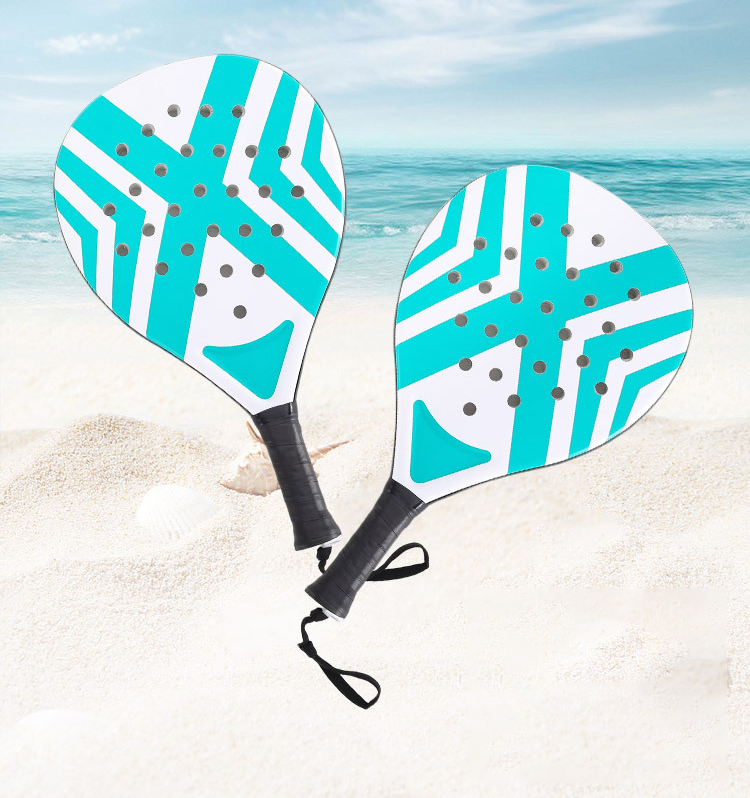
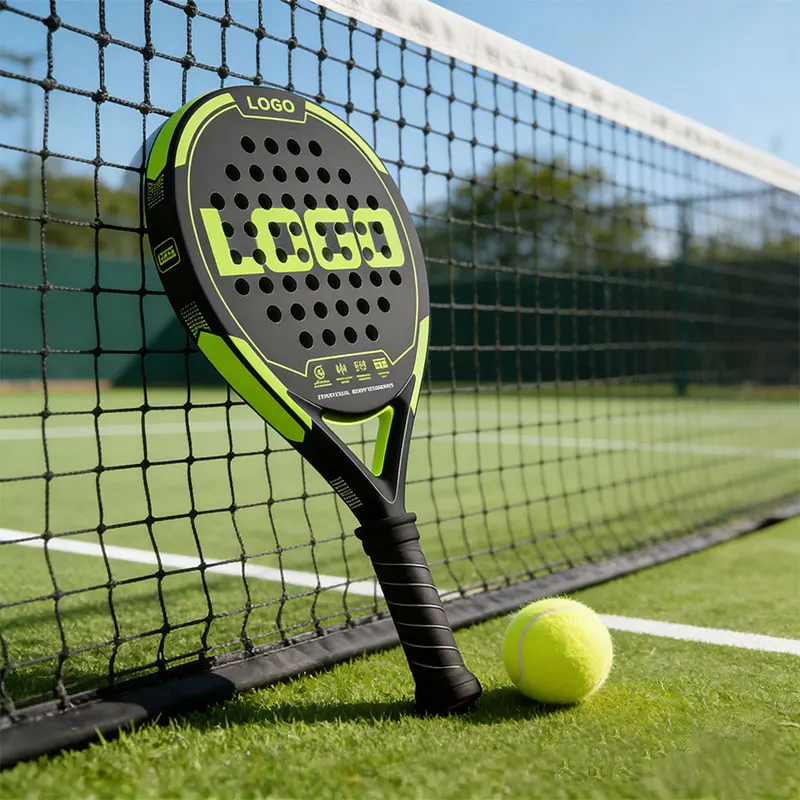
When a catalog includes an illustration, label it as an illustration rather than a product photo. Use approved images with meaningful alternative text. Avoid showing a logo placement, finish or accessory as standard if its availability has not been confirmed.
Separate customization from fixed construction
For a custom tennis racket project, distinguish the specifications of the base frame from the options a buyer may request. A catalog can use three clear labels: “confirmed standard,” “available only after confirmation,” and “project-specific.” Apply those labels to items such as artwork, grip, strings, packaging and any frame changes.
A personalized tennis racket OEM inquiry should include the intended user, configuration, artwork file, target quantity and destination market. Ask which requests are feasible, what the approval process covers and whether a sample can be reviewed. Neither a mockup nor a field in a catalog means a factory has agreed to produce that configuration.
For a personalized tennis racket bulk order, keep quantity, variant breakdown and packing requirements alongside the technical sheet, not inside the weight or material field. Request written confirmation of order quantities, lead time, artwork ownership and inspection criteria before treating them as agreed terms.
Keep rule and evidence statements precise
If a custom tennis racket is intended for regulated competition, check the relevant current rules and the actual configuration rather than adding a general approval badge. The 2026 ITF Rules of Tennis specify maximum overall racket dimensions of 73.7 cm in length and 31.7 cm in width. Those limits alone do not establish that a racket meets every applicable requirement.
Attach a source, revision date and owner to each technical or rule-related claim in the internal evidence record. Include the approved spec sheet, measurement method and any relevant test report. If documentation is missing, remove the claim from the public copy until it can be supported. The same discipline applies to environmental claims and athlete endorsements.
Review the catalog before it reaches buyers
Before releasing a custom tennis racket catalog, compare the final layout with the latest signed-off specification sheet. Have the product team check numbers and conditions, the sales team check variant codes and order language, and the editorial team check units, translations and image labels. Record the version and date so old PDFs can be withdrawn when a specification changes.
- Confirm that each model code maps to one defined configuration.
- Check strung or unstrung status, units, tolerances and grip conventions.
- Match each image and customization label to the applicable variant.
- Remove unsupported performance, certification and availability claims.
- Ask the supplier to confirm open technical and commercial questions in writing.
The goal is not to fill every field. It is to give a reader enough reliable information to compare a custom tennis racket, identify what remains open and move the discussion toward a documented specification and sample review.

 Hot News



