Launching a seasonal collection of coastal sports hardware requires hitting tight retail windows before summer beach leagues kick off in Brazil, Italy, Spain, and Florida. When an emerging sports brand or resort chain attempts to design a frame from a blank sheet of paper—machining brand-new aluminum cavity molds, testing structural bridge geometry from scratch, and iterating multiple rounds of prototypes—tooling expenses quickly climb into tens of thousands of dollars while six months of prime selling weather slip away. Knowing how to handle tennis beach rackets ODM production gives brand managers a faster, capital-efficient path to market. Through Original Design Manufacturing, buyers select pre-engineered, tournament-validated mold silhouettes maintained by an experienced composite factory and customize the internal carbon layup, EVA core density, drilling pattern, and cosmetic finish to create a signature product line in weeks.
The first step in managing a successful beach tennis racket ODM project is auditing the manufacturer's existing mold library for International Tennis Federation compliance and aerodynamic efficiency. Under official ITF beach tennis rules, a tournament-legal frame cannot exceed fifty centimeters in overall length or twenty-six centimeters in width, with profile thickness sitting between twenty and twenty-two millimeters. Rather than gambling on an untested silhouette, smart procurement teams choose from the factory's proven twenty-millimeter, twenty-one-millimeter, or twenty-two-millimeter twin-tube molds featuring bifurcated or triangular throat bridges. These pre-validated bridges incorporate aerodynamic air-flow vents and diagonal carbon struts that slice through twenty-kilometer-per-hour ocean crosswinds while preventing torsional head twisting on off-center overhead smashes. Starting with a structurally proven mold chassis eliminates ninety percent of early engineering risk.
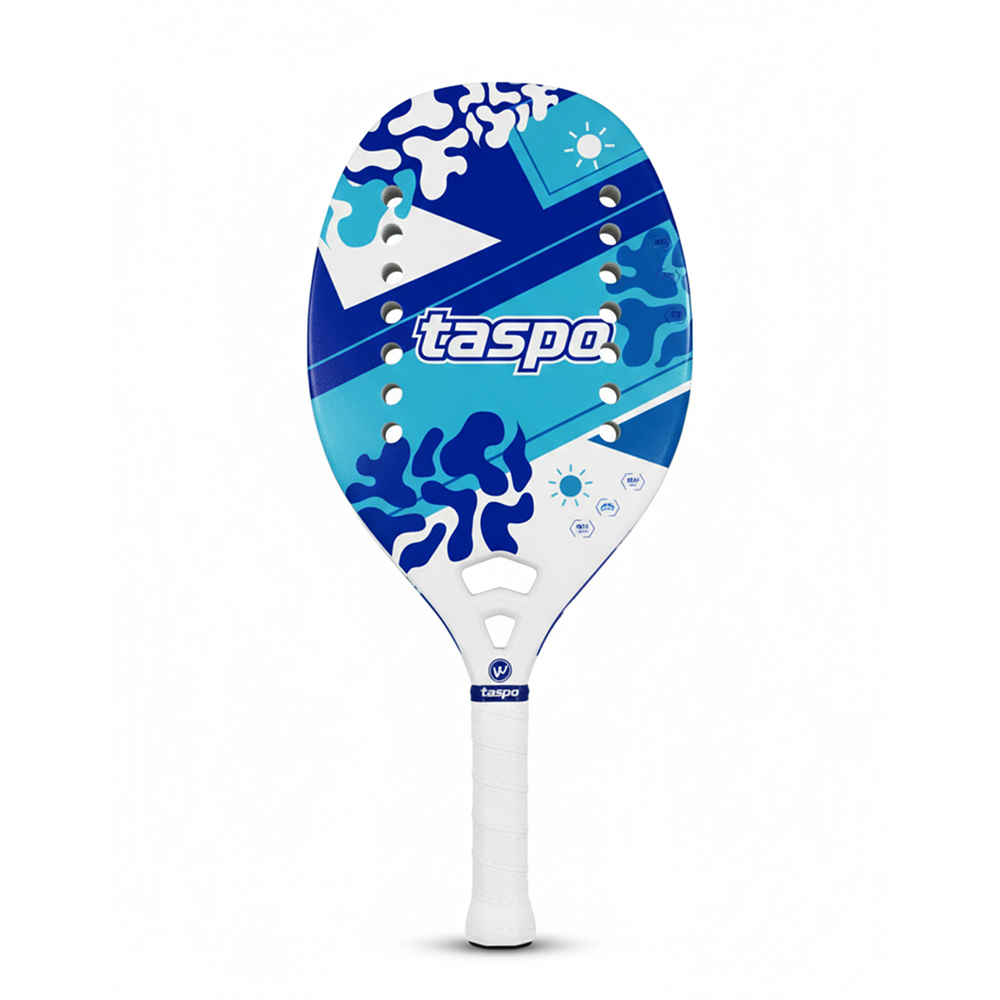
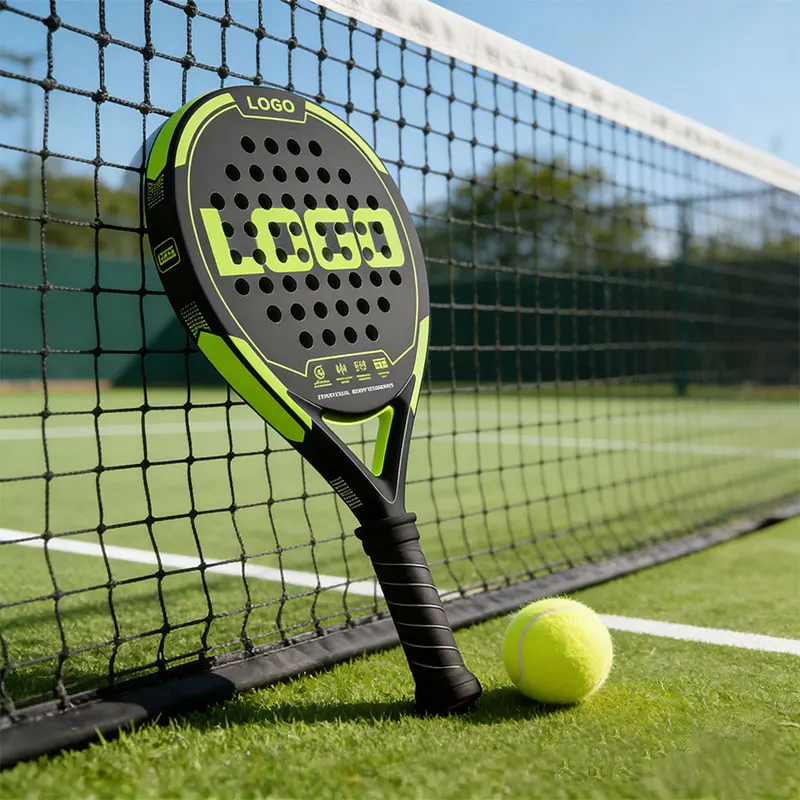
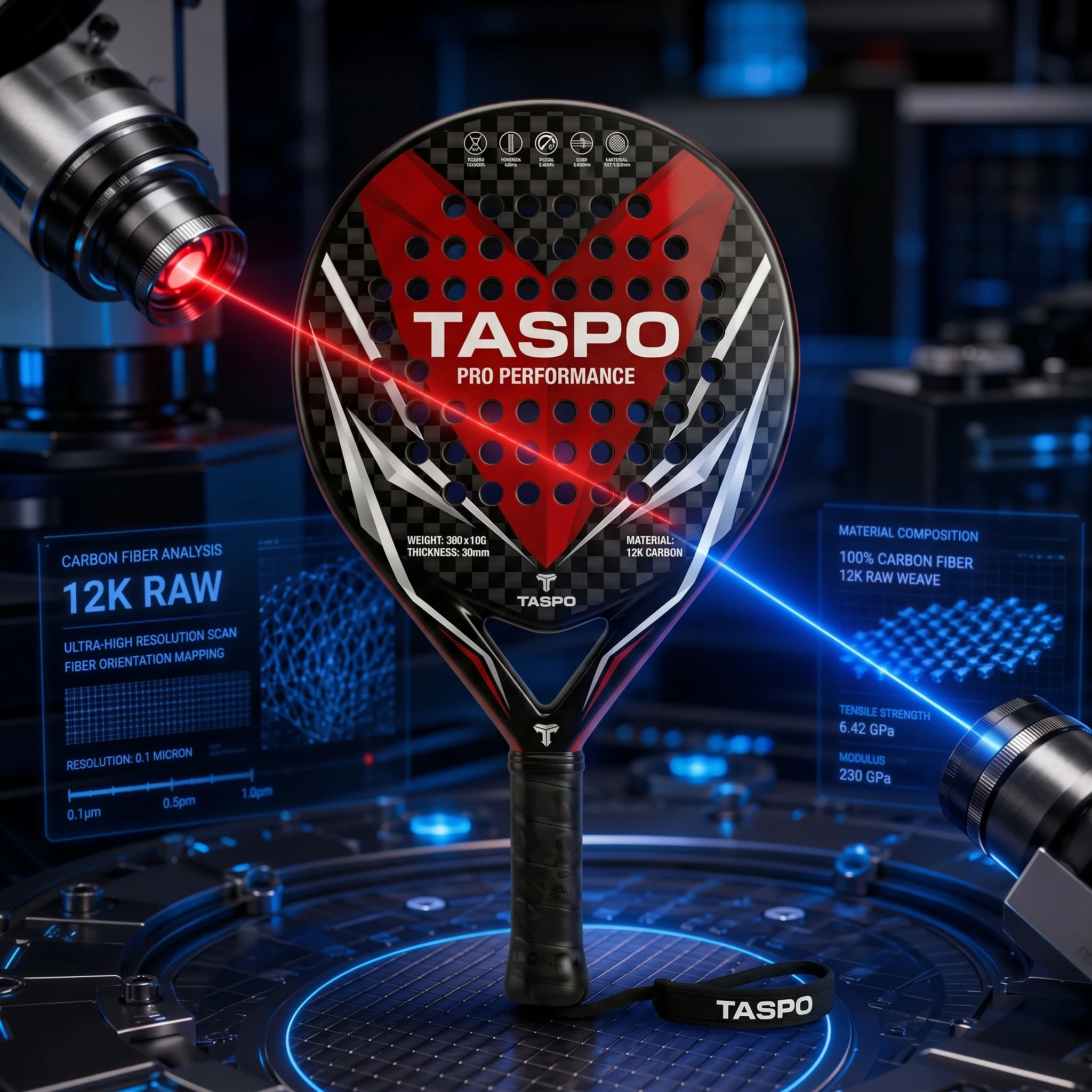
True ODM production goes far deeper than slapping a private-label logo sticker onto a generic stock bat; it allows the brand to engineer a proprietary on-court feel inside the selected mold cavity. During the specification phase, brand directors work with factory composite technicians to match exterior woven skins with internal ethylene-vinyl acetate foam cores. For recreational resort players and intermediate club clinics, pairing a flexible fiberglass or 3K plain-weave carbon face with a low-density Soft White EVA core delivers effortless trampoline rebound against depressurized Stage 2 orange balls. For advanced open-division competitors, specifying a rigid 12K twill, 18K multi-filament, or carbon-kevlar hybrid weave laminated over a high-recovery Black EVA core creates explosive smash velocity and surgical drop-shot directional control. Simultaneously, engineers program five-axis CNC routers to bore custom perimeter hole arcs—leaving the central sweet spot solid for maximum ball repulsion while bleeding off wind drag along the outer edges.
Real-world production timelines from coastal equipment labels demonstrate how structured ODM workflows accelerate return on investment. Last spring, a lifestyle racket brand expanding across beach clubs in Italy and southern Spain needed to launch a three-tier collection of custom tennis beach rackets ahead of the June tournament circuit, leaving just seven weeks from initial inquiry to warehouse delivery. By utilizing an established ODM beach tennis racket manufacturer's twenty-one-millimeter aerodynamic mold library, the brand bypassed four weeks of metal mold machining. Within twelve working days, the factory delivered functional Golden Samples featuring exposed 18K carbon windows, neon gradient water-transfer decals, and custom quartz-sand spin surfaces. Mass production of one thousand five hundred units wrapped up in thirty-five days with a sixty-four percent retail gross margin and zero structural warranty claims across the entire summer tour.
Once an ODM specification moves from approved Golden Sample into volume production, strict quality governance across three coastal-specific processes determines long-term brand reputation. First, because sand players rely heavily on slice drop shots and topspin lobs, the factory must apply calibrated quartz-silica sand grit or 3D molded decals over the central hitting zone using a specialized two-part polyurethane binder that will not shed sand after ten matches. Second, tropical sunlight and salty ocean humidity rapidly yellow and delaminate standard epoxy resins; buyers must verify that the beach tennis racket manufacturer seals every frame with UV-inhibited cycloaliphatic topcoats and closed-cell waterproof polyurethane foam handles. Third, technicians must weigh and balance every cured carbon fiber beach tennis racket at the raw hairpin stage, keeping static weight within plus or minus three grams of target spec (typically three hundred and twenty to three hundred and thirty-five grams) and balance within two millimeters around twenty-five to twenty-six centimeters.
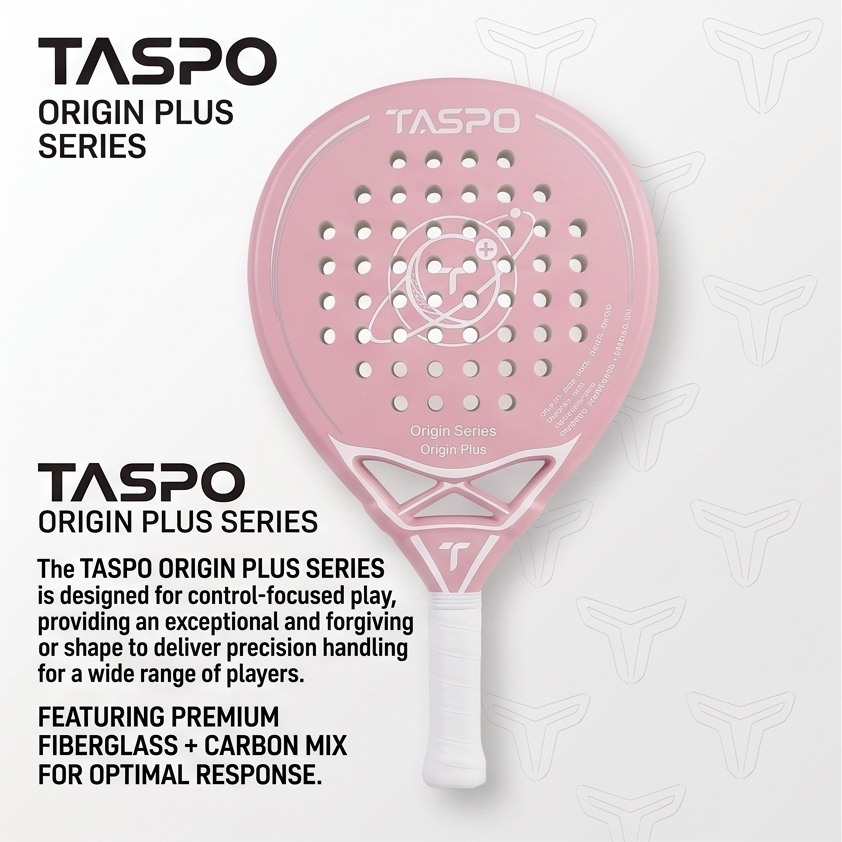
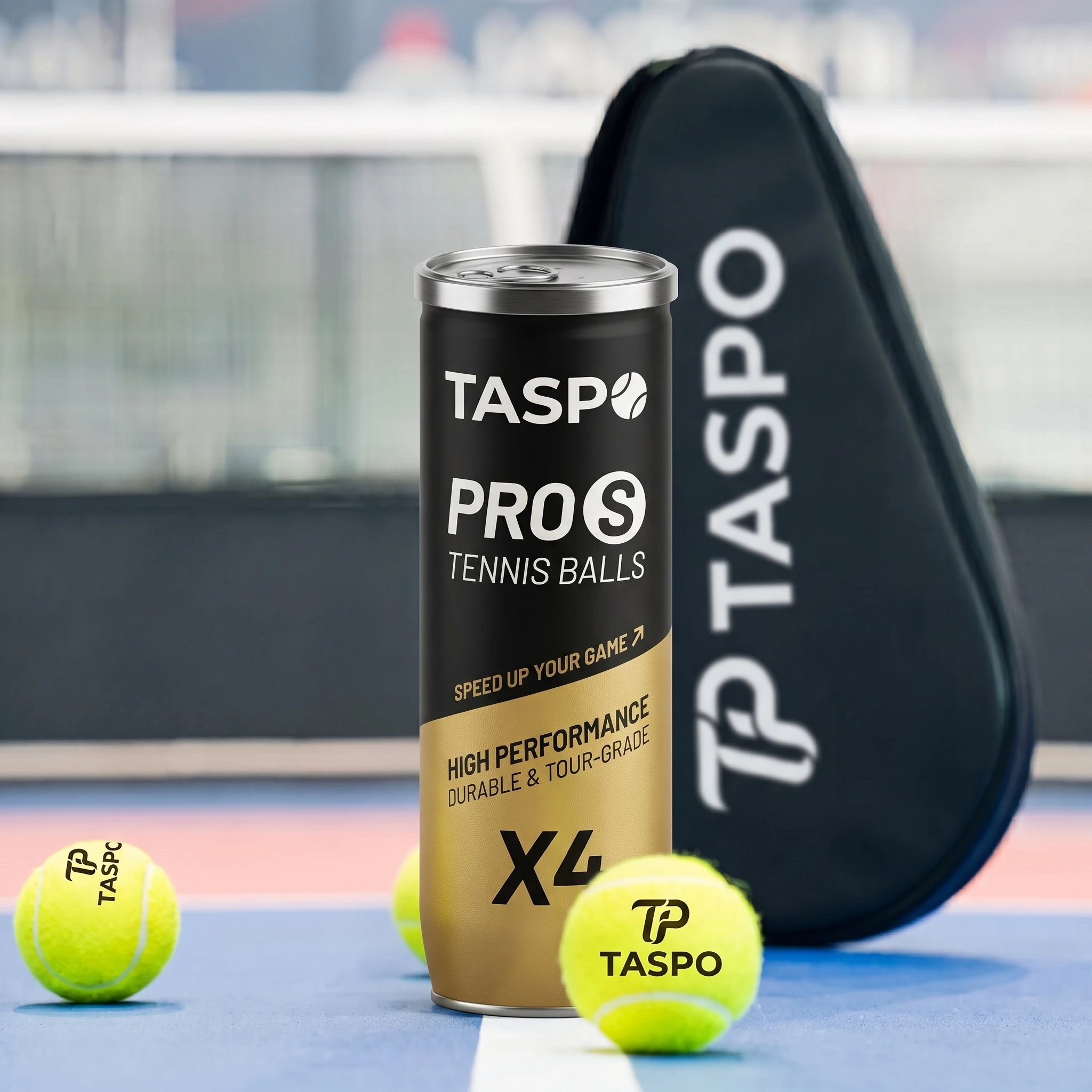
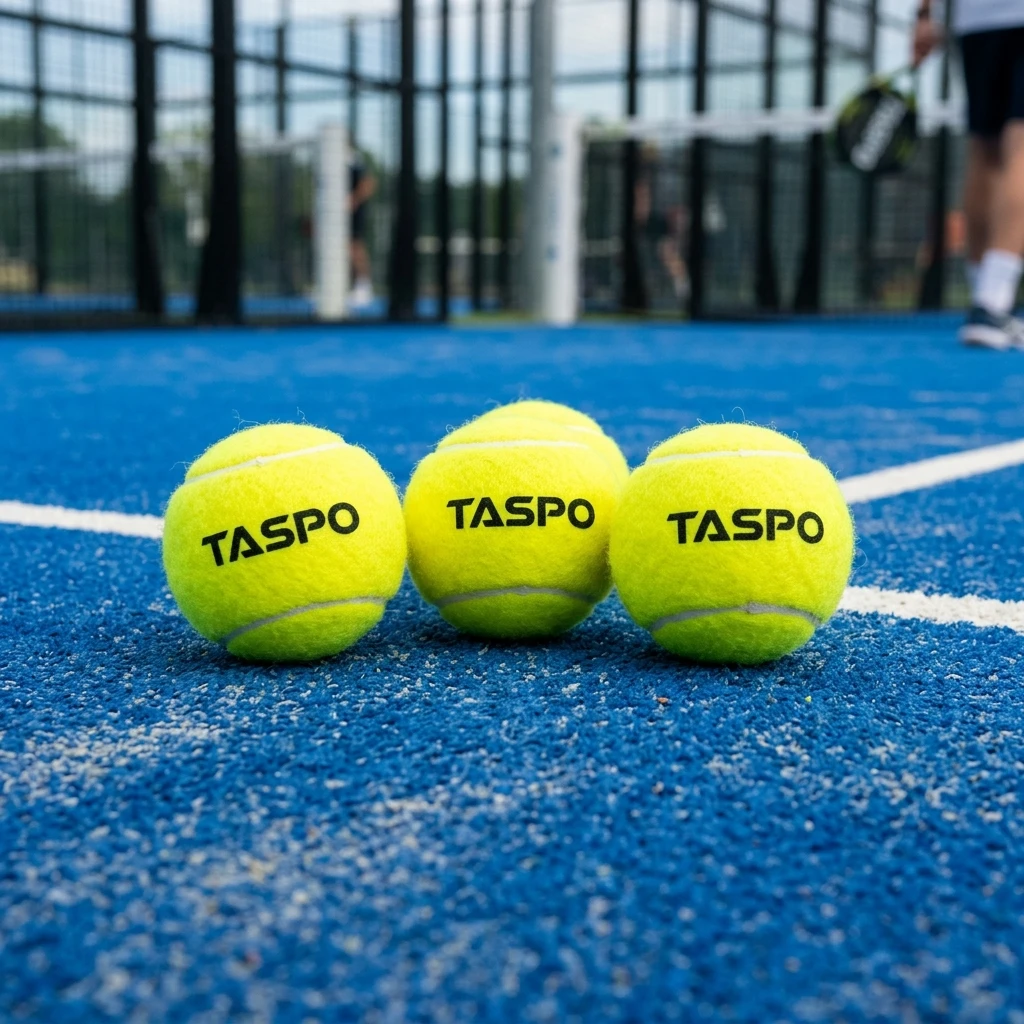
Bringing a distinctive, high-margin beach tennis collection to market on time and on budget requires partnering directly with a vertically integrated composite manufacturer. Taspo operates as a premier B2B beach tennis racket manufacturer supported by over one hundred and thirty experienced engineers and self-owned standardized production bases. Specializing in advanced carbon fiber prepreg autoclave curing, resin transfer molding, and five-axis CNC drilling, Taspo provides comprehensive one-stop tennis beach rackets ODM and OEM solutions. Brand partners can select from a rich library of ITF-compliant twenty-to-twenty-two-millimeter molds and customize 3K, 12K, 18K, or Kevlar-hybrid layups, Black EVA cores, custom hole patterns, quartz-sand spin grit, and waterproof grips—alongside coordinated beach racket bags, depressurized Stage 2 orange balls, tacky overgrips, and moisture-wicking sweatbands. Every order passes through seven strict quality inspection gates verifying UV weathering resistance, grit adhesion, and balance precision. With custom ODM prototypes delivered in just seven to fifteen working days and twenty-four-hour client support, Taspo turns coastal brand concepts into market leaders.
 Hot News
2026-11-24
2026-11-24
2026-11-24
2026-11-24
2026-11-24
2026-11-24
 EN