In high-performance racquet sports engineering, producing a tournament-grade wrap demands strict industrial discipline and multi-stage polymer science. A professional wrap is never a simple extruded plastic ribbon; rather, modern overgrip manufacturing relies on a sophisticated composite lamination architecture that fuses a breathable elastomer topcoat onto a load-bearing textile foundation. The exterior contact layer is formulated from wet-process polyurethane resin dissolved in organic solvents and submerged through temperature-regulated water coagulation baths. As water molecules displace the solvent, they form an interconnected vertical network of microscopic capillary pores measuring ten to thirty microns wide. Directly beneath this microporous polyurethane skin sits a high-density structural substrate woven from needle-punched polyamide and polyester microfibers. Under authoritative manufacturing standards, bonding these two distinct layers requires executing composite lamination inside positive-pressure cleanrooms using heated steel calender rollers. If roller pressure or thermal curing profiles fluctuate by even three degrees Celsius, trapped air pockets cause the outer skin to blister and peel away mid-match. World-class overgrip manufacturing enforces laser micrometer monitoring across every master jumbo roll, holding total caliper thickness tolerances within a strict corridor of plus or minus 0.02 millimeters. Maintaining this microscopic dimensional uniformity ensures that every single strip wraps smoothly around the handle without creating lumpy seams or obscuring the sharp octagonal bevel edges beneath the athlete's fingers.
For international sporting goods brands and regional equipment distributors, shipping accessory inventory across tropical oceans and storing pallets inside non-climate-controlled warehouses exposes polyurethane elastomers to brutal environmental stress. Unprotected polyurethane chains are naturally vulnerable to moisture-induced chemical breakdown; when cheap wraps sit inside humid shipping containers or hot car trunks, they suffer rapid hydrolytic degradation, turning sticky and crumbling into powder before the customer even opens the blister pack. Rigorous overgrip manufacturing prevents premature shelf-life failure by subjecting every production batch to destructive laboratory audits regulated by international manufacturing standards. First, technicians mount cured samples onto rotary Taber abrasion testers, where calibrated friction wheels grind against the polyurethane face under fixed weights; a genuine premium overgrip must survive more than fifteen hundred rotational cycles without surface flaking or exposing the underlying felt. Second, quality engineers place random master roll segments inside seventy-degree-Celsius chambers at ninety-five percent relative humidity for ninety-six continuous hours. Passing this accelerated hydrolysis torture test guarantees that the composite lamination will retain its factory-fresh tensile strength and surface tackiness across twenty-four months of retail storage. Finally, colored batches undergo immersion in pH 4.7 acidic artificial perspiration solutions, verifying a Grade 4.5 color fastness rating so vibrant neon wraps never bleed toxic dye onto sweaty palms or white tournament apparel.
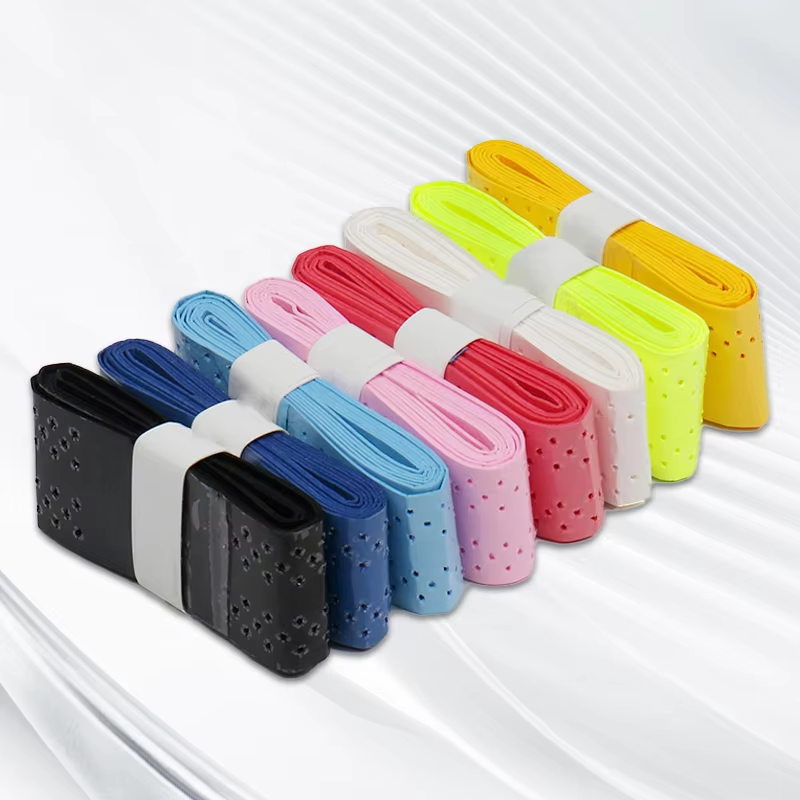
Beyond structural durability and storage stability, the primary mechanical mission of a court wrap is eliminating hydrodynamic slippage when palmar sweat glands secrete heavy moisture during third-set tiebreaks. Low-cost workshops attempt to create surface grip by brushing temporary liquid tackifiers onto flat, non-porous vinyl films; however, once mixed with salty perspiration and court dust, those topical glues turn into a slick, soapy lubricant that forces the athlete to clench their fingers in a fatiguing death grip. Cutting-edge overgrip manufacturing overcomes boundary-layer hydroplaning by combining intrinsic hydrophilic polymer chemistry with precision thermal-roller micro-patterning. During the raw compounding phase, polymer chemists graft non-migrating hydrophilic wetting agents directly into the molecular backbone of the polyurethane elastomer, permanently lowering surface tension so moisture wicks downward into the microfiber reservoir within two seconds. Simultaneously, as the cured sheet exits the composite lamination line, engraved thermal debossing rollers press microscopic 0.25-millimeter drainage channels, hexagonal honeycombs, or directional tire-tread grooves across the surface. These recessed micro-channels act like miniature aqueducts that route excess liquid away from the raised traction plateaus where the finger joints rest. By uniting chemical absorption with mechanical tread geometry, a premium overgrip sustains a wet static coefficient of friction exceeding 0.88, empowering competitors to execute explosive overhead whips and delicate drop shots with featherlight finger pressure.
Because biomechanical swing kinematics and handle geometries vary dramatically across different racquet sports, a single universal wrap specification cannot satisfy the entire athletic market. Forward-thinking manufacturing standards require calibrating substrate density, stretch modulus, and caliper thickness to match the exact sensory demands of lawn tennis, enclosed-court padel, and indoor badminton. In baseline tennis, where heavy groundstrokes generate violent 200-hertz frame vibrations upon off-center ball contact, athletes demand a plush 0.65-to-0.75-millimeter premium overgrip featuring a lofty microfiber backing that cushions the palm and shields wrist tendons from lateral epicondylitis. Conversely, in glass-court padel—where players execute constant grip shifts inside humid enclosures and face abrasive silica sand—procurement buyers specify a 0.60-millimeter perforated or dry-touch wrap that prioritizes rapid evaporative cooling and anti-slip grit resistance. Meanwhile, in high-velocity badminton, where success depends on instantaneous wrist pronation and blind indexing of the eight handle facets, a thick wrap rounds out the wood bevels and ruins shot accuracy. Consequently, specialized overgrip manufacturing produces ultra-thin 0.45-to-0.50-millimeter wraps engineered with high-tensile composite lamination that stretches taut around slim G5 handles without adding bulk. Offering discipline-specific thickness tiers allows private label brands to capture dedicated market share across every court community.
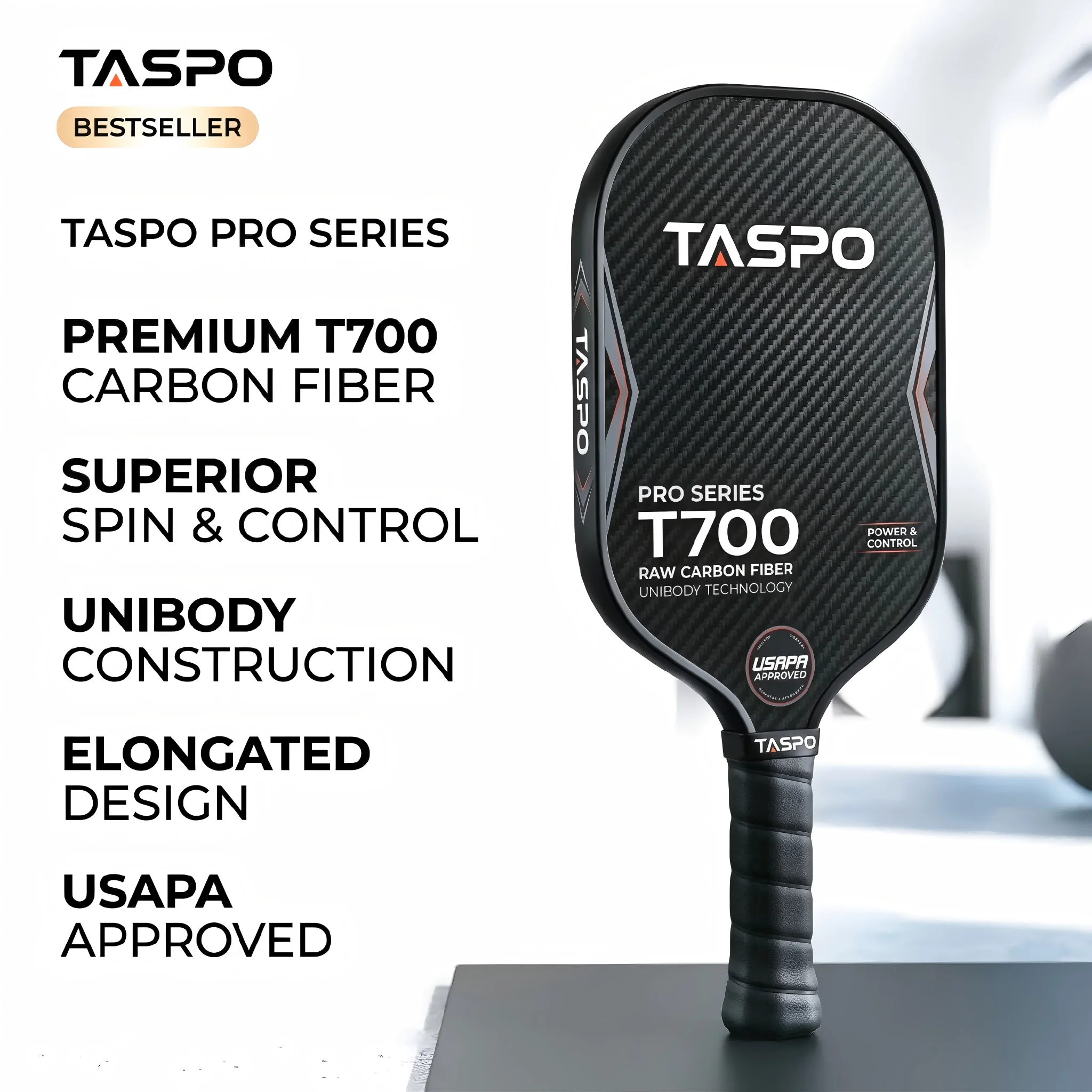
Transforming advanced polymer formulations into a high-margin, recurring retail revenue stream requires partnering with an industrial accessories manufacturer capable of executing dust-free slitting, custom brand debossing, and hermetic packaging under one roof. Even the finest wet-process polyurethane wrap will lose its volatile surface tackiness if slit with dull industrial blades that fray the edges, or if packed inside breathable cardboard boxes that allow warehouse humidity to oxidize the topcoat. Under elite manufacturing standards, master rolls are transferred immediately into climate-controlled slitting cleanrooms where computer-guided rotary knives cut precise twenty-five-to-twenty-seven-millimeter ribbons with smooth beveled taper ends and apply protective PET release films across the tacky face. To lock in peak elastomer freshness, finished coils are sealed inside nitrogen-flushed aluminum foil pouches or packed into sixty-unit pro-shop display canisters outfitted with airtight rubber lid gaskets. In the global sporting goods sector, Taspo Sports stands as an authoritative accessories manufacturer and turnkey OEM partner for prestigious international racquet brands. Operating automated coagulation coating lines, high-precision composite lamination presses, laser perforation stations, and custom packaging departments, Taspo Sports delivers unmatched overgrip manufacturing excellence. Whether a commercial brand seeks to launch a signature three-pack blister card of custom-debossed premium overgrip wraps or supply bulk coaching drums to multi-court academies, partnering with a trusted accessories manufacturer like Taspo Sports guarantees tour-validated traction, zero-defect consistency, and scalable global supply chains.
 Hot News
2026-11-20
2026-11-20
2026-11-20
2026-11-20
2026-11-20
2026-11-20
 EN