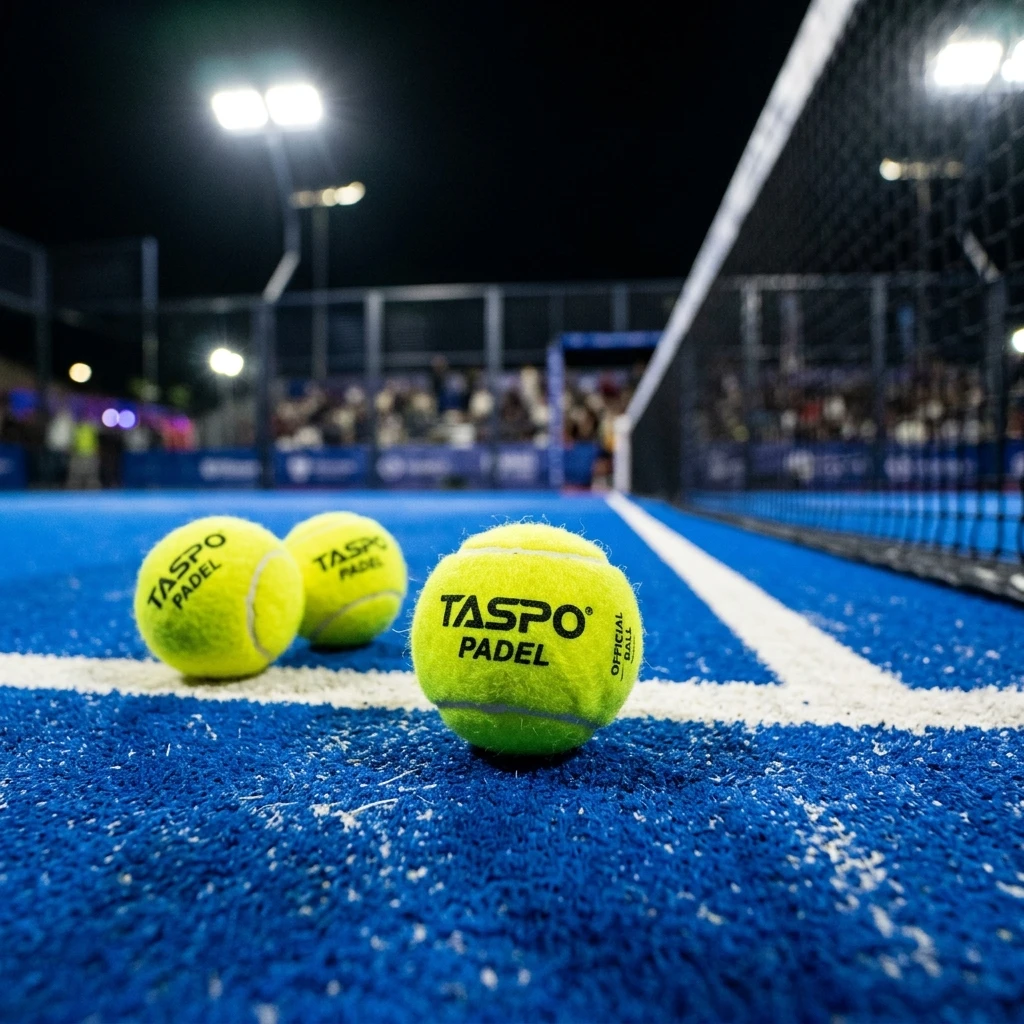
Watch two experienced doubles partners battle across an eight-by-sixteen-meter sand court, and the entire rally takes place in mid-air at blistering speed. Because the rules forbid the sphere from ever touching the sand, players have less than four hundred milliseconds to read an incoming serve or smash, whip their frame into position, and block the ball back over a one-point-seven-meter net. At the same time, standing ankle-deep in soft beach sand absorbs lower-body leg drive, forcing the shoulder, elbow, and wrist to generate all the power and directional control. Understanding what defines a high quality tennis beach rackets design explains why generic, poorly balanced bats cause immediate forearm fatigue and unforced net errors. An elite frame is a masterclass in aerodynamic weight reduction, elastic core energy return, and coastal weatherproofing engineered to turn compact wrist flicks into surgical winners.
The structural foundation of a high-performing beach tennis racket begins with its outer dimensional geometry and internal tube architecture. Under International Tennis Federation regulations, a frame can stretch up to fifty centimeters in length and twenty-six centimeters in width. While amateur designers sometimes adapt thick thirty-eight-millimeter padel molds for the beach, swinging a bulky beam through twenty-kilometer-per-hour coastal crosswinds feels like waving a wooden oar under water. A true high-quality tennis beach rackets design slims the constant profile thickness down to an ultra-sleek twenty to twenty-two millimeters. However, making a fifty-centimeter frame that thin creates a structural engineering challenge: preventing the head from twisting or snapping during off-center overhead smashes. Top manufacturers solve this by molding a hollow twin-tube carbon perimeter frame—using two parallel internal carbon channels consolidated under high bladder pressure—which delivers exceptional hoop rigidity while keeping total frame weight light between three hundred and twenty and three hundred and thirty-five grams.
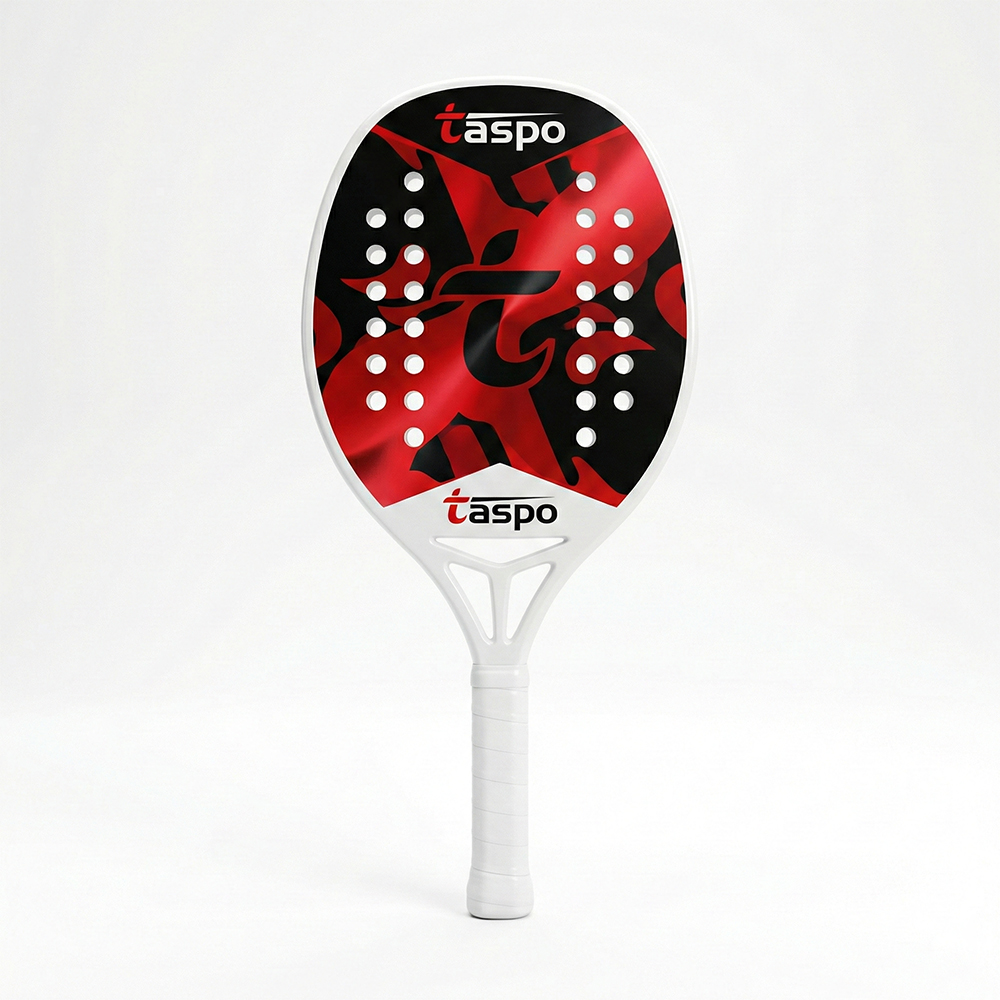
Because beach tennis uses depressurized Stage 2 orange balls that carry roughly fifty percent less internal air pressure than standard lawn tennis spheres, the racket face cannot rely on the ball's own bounce to generate court depth. If the hitting surface is too stiff and paired with hard foam, the soft orange ball simply flattens against the face and drops into the bottom of the net during slow defensive blocks. Conversely, if the face uses cheap fiberglass over soft sponge, the frame absorbs too much energy on hard overhead smashes. A superior carbon fiber beach tennis racket resolves this paradox by pairing a low-to-medium density, high-recovery Black EVA foam core with multi-axial 3K, 12K, or 18K woven carbon fiber skins—often reinforced with vibration-dampening Kevlar filaments. On soft net taps and defensive lobs, the elastic Black EVA core pockets the depressurized ball effortlessly; on explosive overheads, the high-modulus 18K carbon sheet locks in directional stability for maximum ball exit speed.
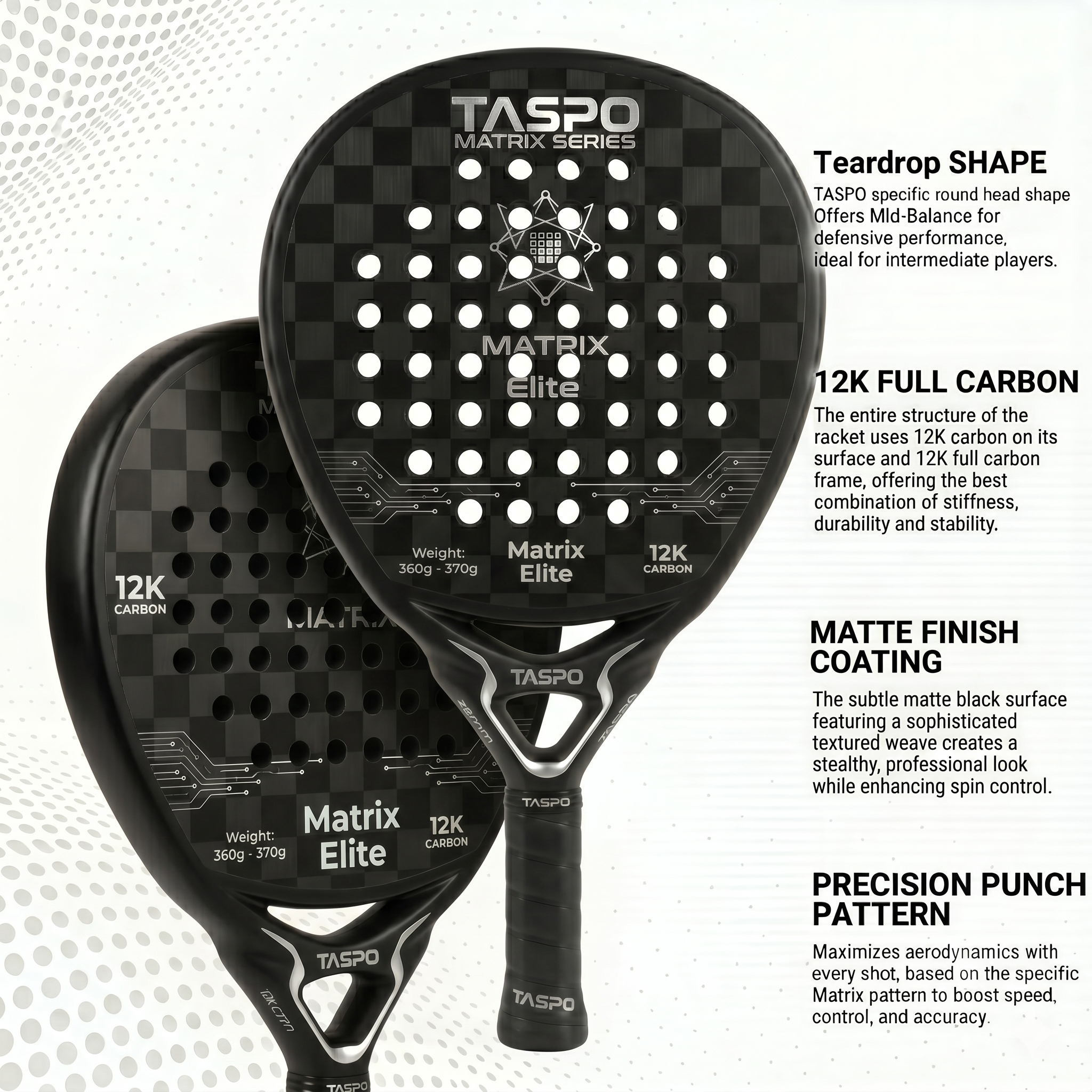
Inspect the face of a tournament-winning pro beach tennis racket, and two deliberate surface features immediately distinguish it from lower-tier models: perimeter-focused hole drilling and calibrated quartz-sand texturing. When a factory punches dozens of holes straight through the center of the hitting face, it destroys the trampoline rebound of the central EVA core and creates weak carbon bridges that crack after a few months of heavy hitting. In a high-quality tennis beach rackets design, engineers keep the central sweet spot completely undrilled and arrange fourteen to twenty-eight precision CNC-drilled holes in two symmetrical curved arcs along the outer perimeter and throat shoulders. This layout bleeds off wind drag during horizontal volley transitions while keeping the sweet spot solid and responsive. Over the final clear coat, bonding calibrated quartz-silica sand crystals creates a durable micro-rough surface; tour telemetry from Italian and Brazilian beach circuits shows that quartz-grit faces increase backspin and slice drop-shot accuracy by twenty-nine percent in gusty ocean breezes.
Ergonomics and environmental durability complete the blueprint of a world-class custom beach tennis racket. Connecting the fifty-centimeter frame's long lever arm to the handle requires a reinforced throat bridge that filters out off-center shock without feeling vague. Advanced molds incorporate a bifurcated triangular or twin-strut bridge with an aerodynamic central vent that stabilizes torsional recoil and guides airflow smoothly past the throat. Down at the handle, where wet sand, sunscreen, and salty palm sweat attack the equipment daily, cheap wooden-insert handles quickly rot and loosen. A tournament-grade frame molds a closed-cell, waterproof polyurethane foam octagonal handle directly around the carbon shaft, finished with a UV-inhibited cycloaliphatic epoxy topcoat across the entire head so tropical sunlight never yellows the graphics or delaminates the composite layers.
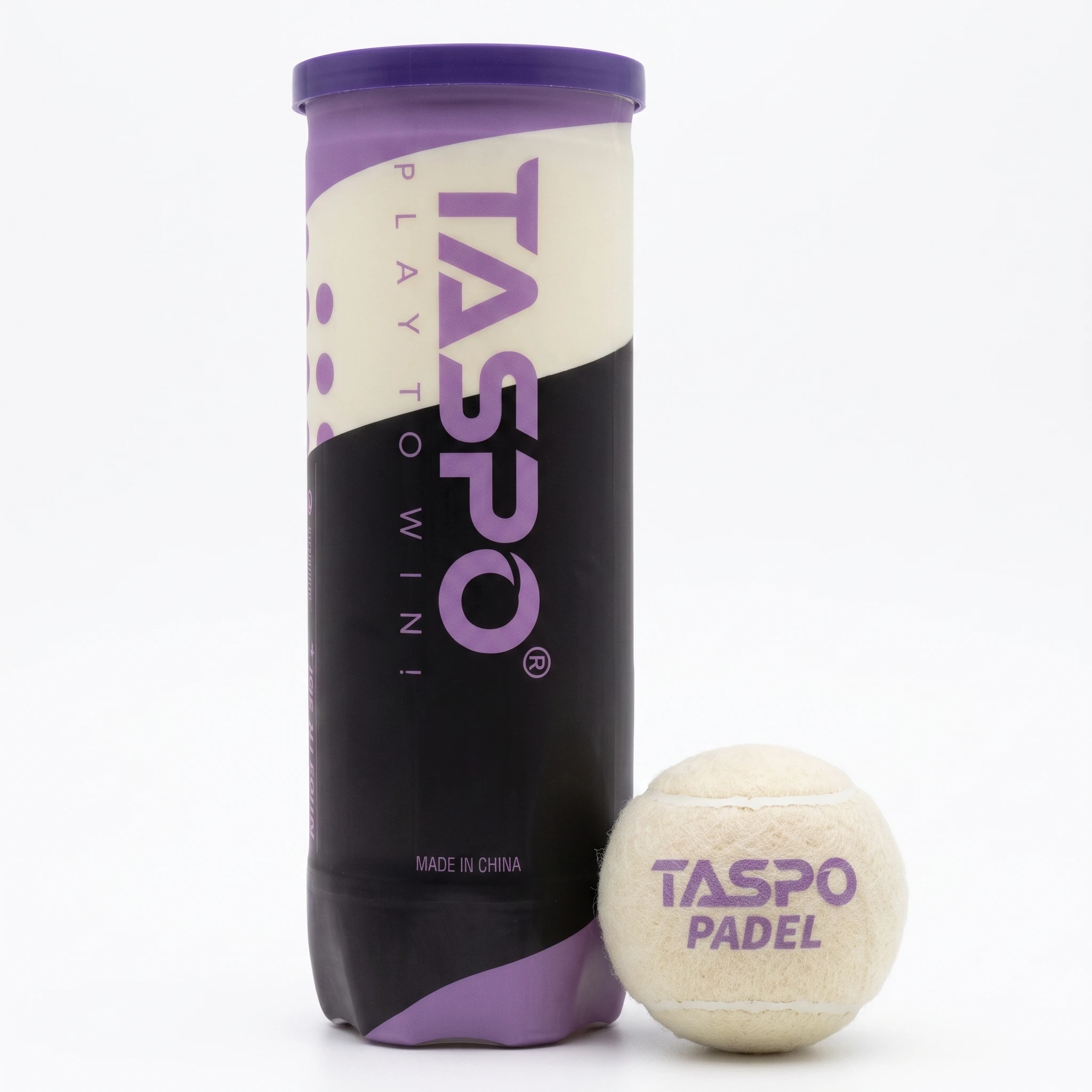
Bringing a championship-caliber beach tennis collection from CAD blueprint to coastal pro shops requires partnering with a composite manufacturer that masters thin-wall carbon curing and precision surface finishing. Taspo operates as a premier B2B sports equipment manufacturer supported by over one hundred and thirty experienced engineers and self-owned standardized production bases. Utilizing high-pressure autoclave prepreg curing, resin transfer molding, and five-axis CNC drilling, Taspo engineers bespoke custom beach tennis racket lines tailored to exact weight, balance, and stiffness specifications. Brand partners can customize twenty-to-twenty-two-millimeter twin-tube molds, 3K, 12K, 18K, or Kevlar-hybrid weaves, Black EVA cores, custom hole arcs, and quartz-sand spin grit, alongside coordinated waterproof beach bags, Stage 2 balls, tacky overgrips, and moisture-wicking sweatbands. Every carbon fiber beach tennis racket produced at Taspo passes through seven strict quality inspection gates verifying balance precision, UV coating adhesion, and impact fatigue. With custom prototypes ready in seven to fifteen working days and twenty-four-hour client support, Taspo elevates beach sports brands worldwide.
 Hot News
2026-11-24
2026-11-24
2026-11-24
2026-11-24
2026-11-24
2026-11-24
 EN