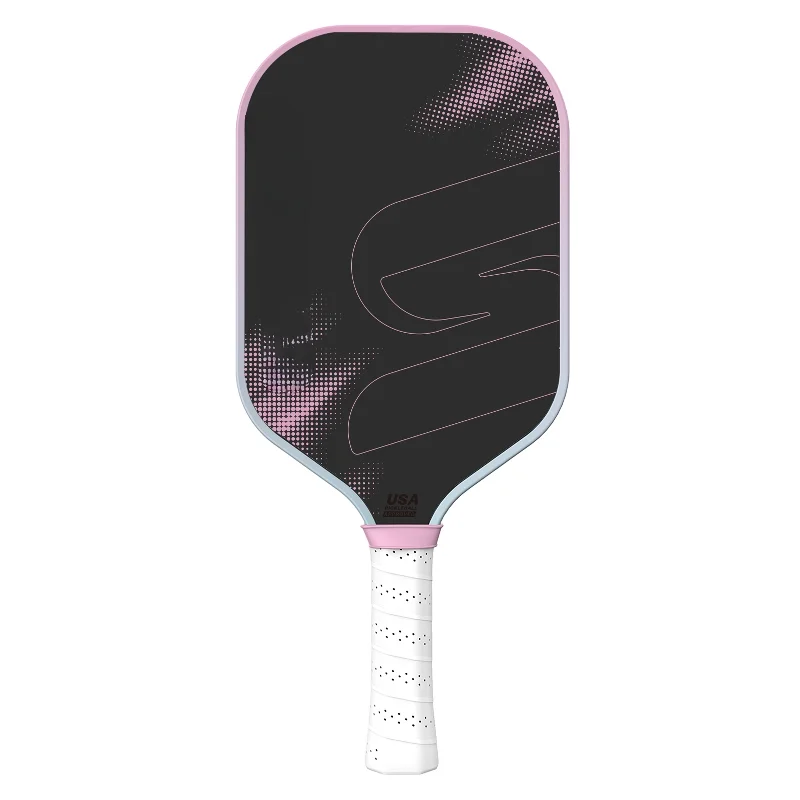
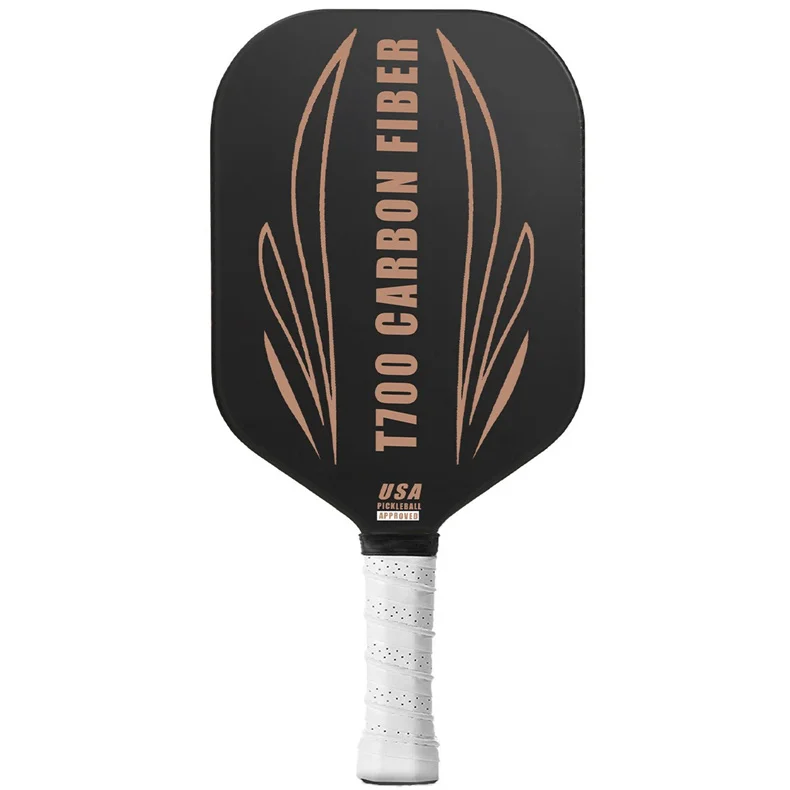
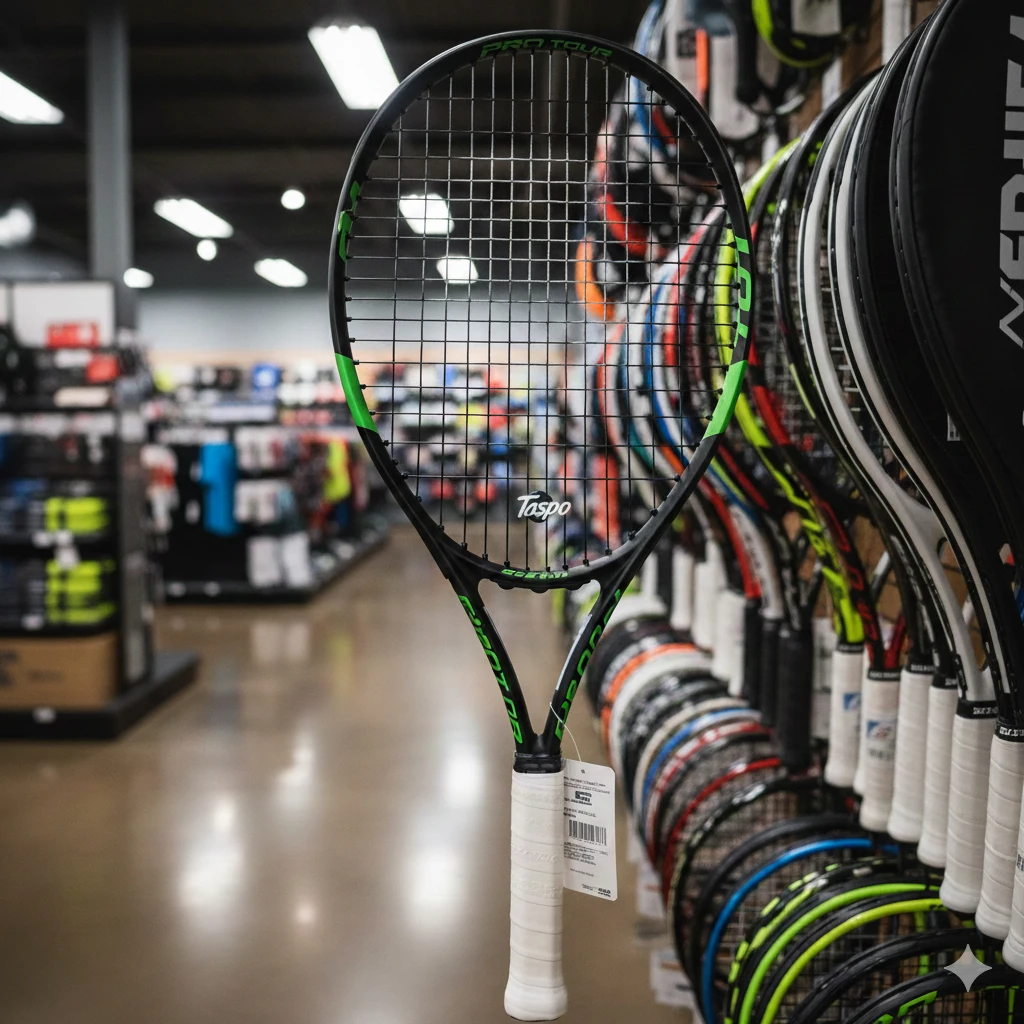
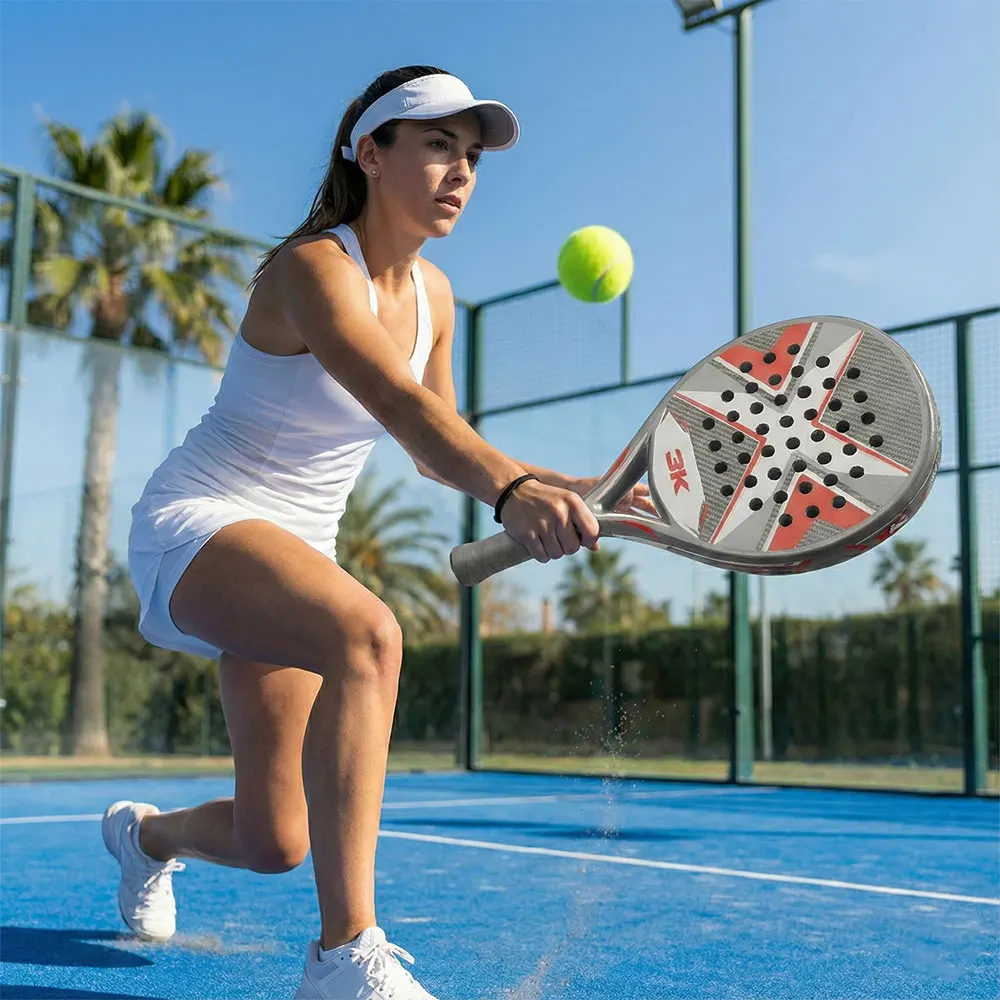
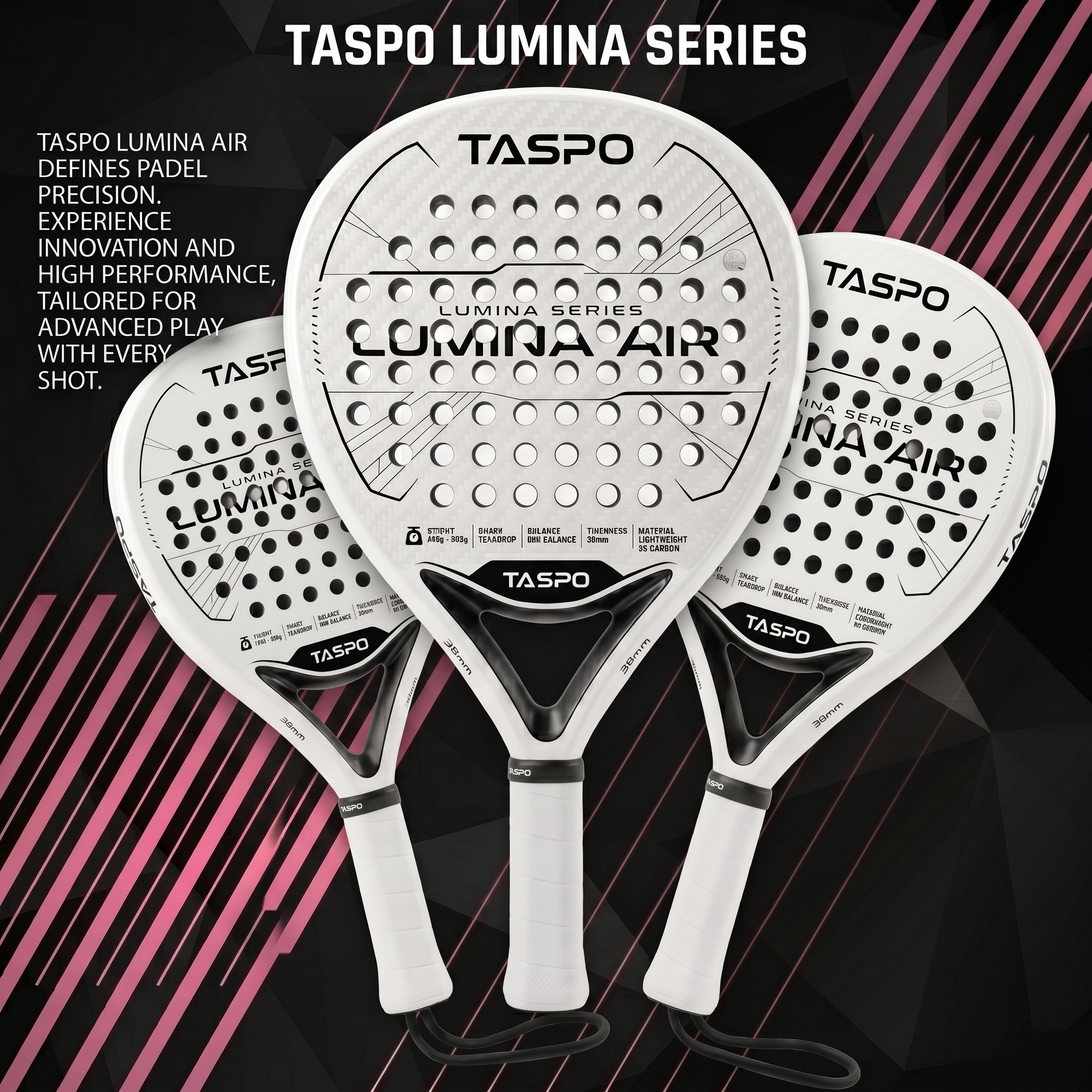
In high-performance court sports, the initial visual impression a weapon presents on a pro-shop display rack is merely the outer skin of a complex mathematical equation. What makes a high quality padel racket design is not the surface decal but the structural geometry engineered to optimize aerodynamic velocity and frame stability. In high-end design departments, engineers discard generic symmetrical molds that let the frame twist under off-center collisions. Instead, they use finite element analysis to sculpt advanced asymmetrical throat bridges, triangular heart struts, and aerodynamic Venturi airflow tunnels directly into custom steel tooling. This complex geometry solves the critical biomechanical problem of torsional head twisting during fast-paced net exchanges. By reinforcing the high-stress junction where the handle meets the hoop and tapering the frame thickness progressively, engineers reduce horizontal head twisting by up to forty percent. Attacking players can accelerate the racket head through rapid reflex volleys with total confidence, knowing that the face remains perfectly square to the target line upon high-velocity ball impact.
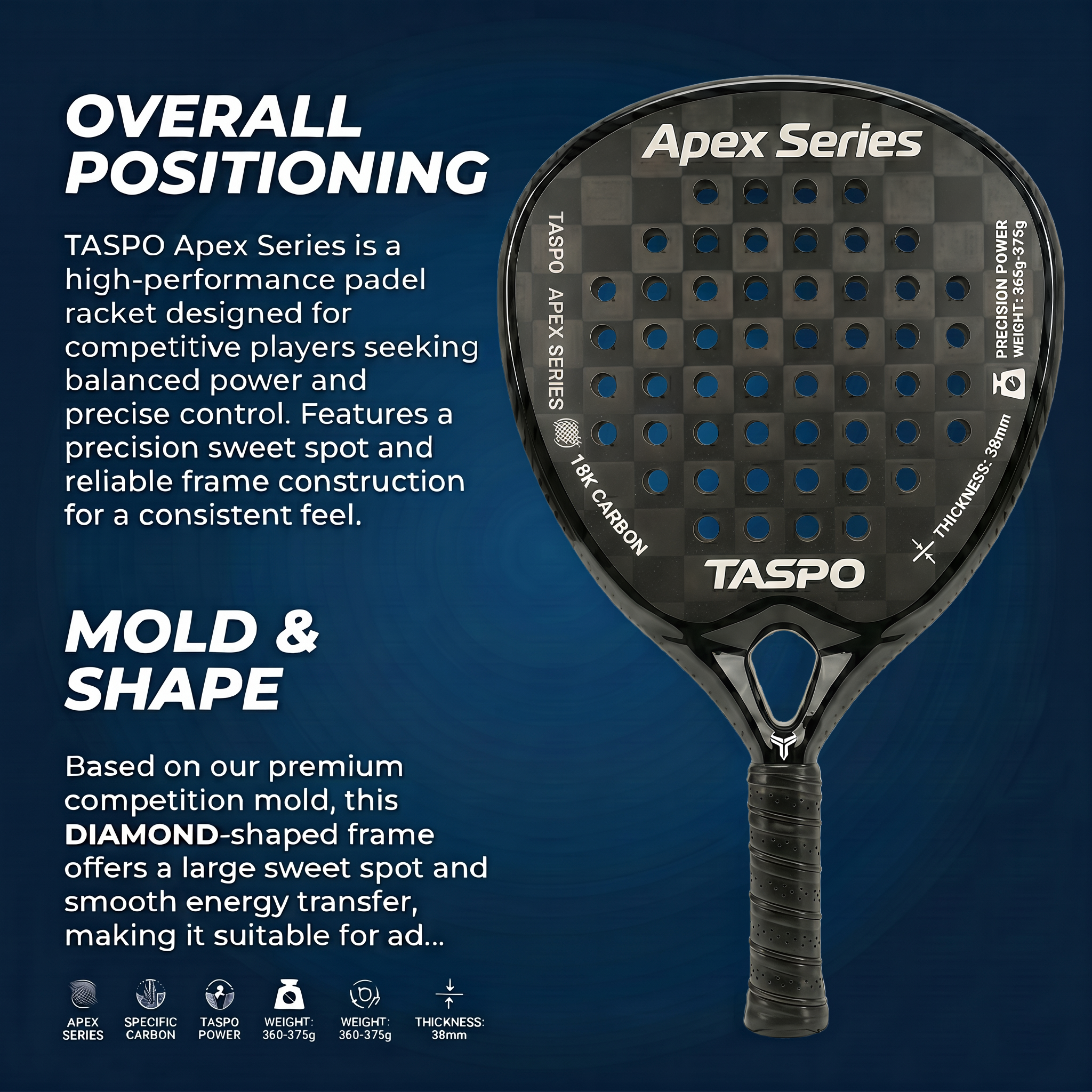
Beneath the automotive-grade clearcoat lies the material matrix responsible for rebound speed, sweet spot size, and structural longevity. Entry-level, cheap paddles rely on low-resin fiberglass sheets laminated over hollow, brittle foam blocks that lose their elasticity within weeks of heavy play. Conversely, a premium racket frame celebrates its material heritage by layering aerospace-grade 18K triaxial carbon fiber prepreg ribbons over a multi-density EVA sandwich core. Woven along three intersecting axes at sixty-degree angles, 18K triaxial carbon distributes ball impact force evenly across the entire face, expanding the sweet spot and delivering a high tensile modulus exceeding two hundred thirty gigapascals. This high-modulus shell is layered over a dual-density foam core formulated by bonding a firm twenty-degree Shore C memory EVA outer skin over a soft fourteen-degree Shore C inner core. This compound sandwich delivers dual-speed dynamics: slow defensive dinks compress the soft core for effortless ball exit speed, while aggressive overhead smashes engage the firm outer skin for blistering terminal power.
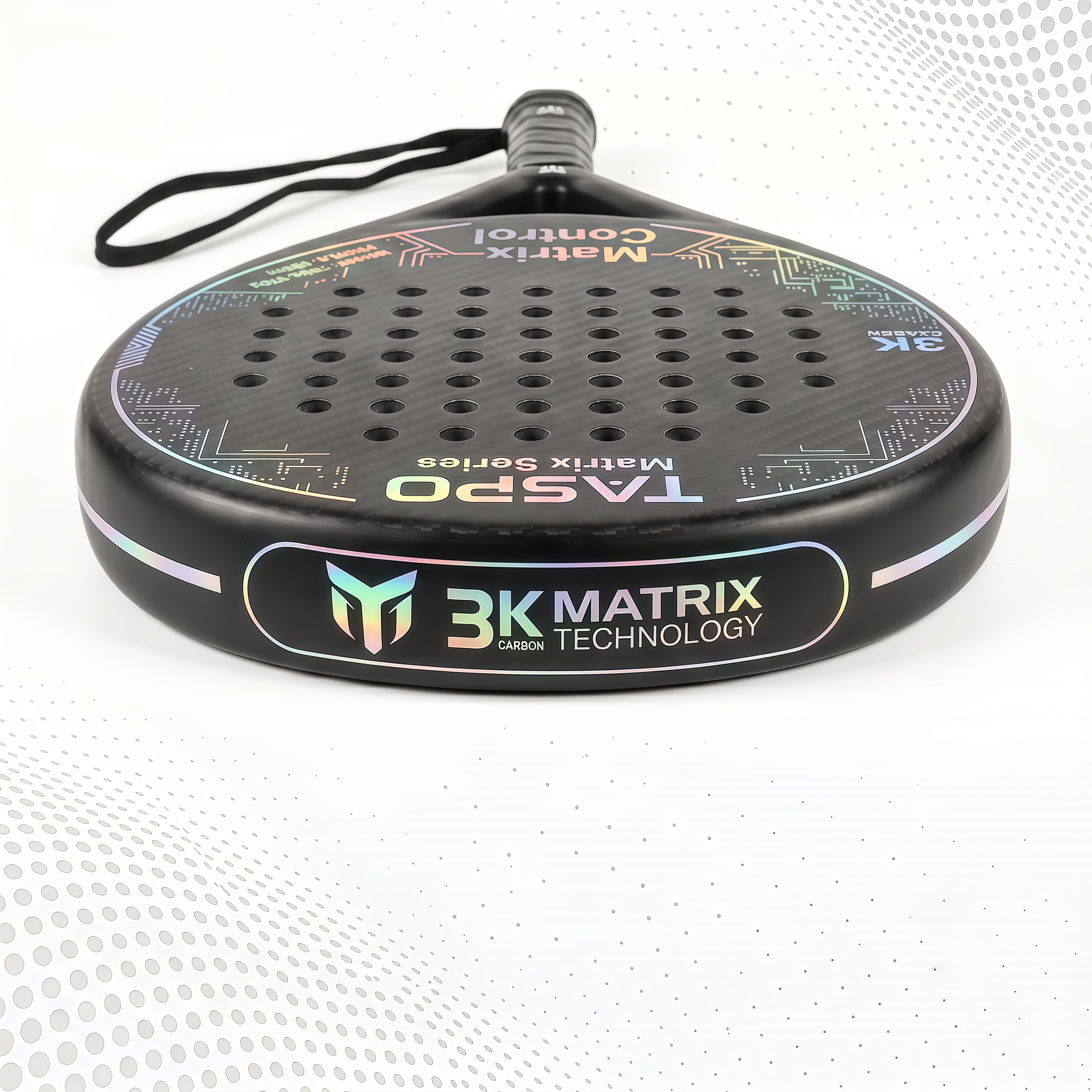
The mathematical layout and machining precision of the aerodynamic hole grid represent a critical design threshold where structural durability meets aerodynamic speed. Drilling sixty circular holes arbitrarily across a composite face severs vital load-bearing carbon fiber strands in the sweet spot, creating weak bridges that crack under high string tensions and heavy ball impacts. High-performance design teams solve this structural vulnerability by utilizing progressive, multi-diameter drilling arrays calculated through advanced computer algorithms. Larger thirteen-millimeter perforations are positioned along the outer perimeter ring to expand perimeter sweet spot forgiveness, while smaller ten-millimeter holes curve around an undrilled central hitting axis to preserve structural carbon integrity where impact stress is highest. Crucially, these holes must be machined on five-axis CNC drilling centers where the spindle rotates at twelve thousand revolutions per minute at precise vector angles matching the curved frame surface. Precision drilling prevents micro-fractures inside the hole walls, cutting aerodynamic sail drag by fourteen percent while extending the racket's fracture lifespan.
Building lasting brand loyalty and protecting athletes from overuse injuries requires obsessive engineering focus on the contact points where the human body physically interfaces with the racket handle and ball. To generate heavy spin on slice bandejas and topspin viboras, high-quality designs discard temporary spray-on silica sand coatings that wear smooth after a few matches. Instead, they utilize permanent, laser-engraved in-mold 3D textures pressed directly into the carbon fiber face during high-pressure thermal curing. Moving down to the grip zone, protecting the player's arm from chronic lateral epicondylitis—commonly known as tennis elbow—demands advanced handle decoupling. Before molding the high-density polyurethane handle pallet, technicians inject closed-cell damping foam into the hollow carbon shaft and wrap the neck facets in a viscoelastic elastomer membrane. This floating pallet construction decouples the palm from harsh 200-hertz frame vibrations, converting jarring impact shock into harmless thermal energy, while preserving the sharp octagonal bevel geometry needed for precise continental grip indexing.
For international sporting goods brands, prestigious country clubs, and regional distributors, launching a premier custom racket line is one of the most effective strategies for capturing high-margin market share and building lasting brand prestige. Players who experience the uncompromised control, joint-friendly dampening, and elegant visual craftsmanship of a matched, high-quality custom racket remain fiercely loyal, driving high-velocity recurring sales. However, executing these complex composite layups, laser-drilled hole patterns, and polyurethane pallets at commercial scale requires partnering with an industrial manufacturer that treats quality control as an absolute obligation. In the global持拍 sports industry, Taspo stands as a premier racket manufacturer and turnkey ODM partner driving composite innovation forward. Operating sub-zero prepreg cleanrooms, automated multi-cavity hydraulic presses, robotic CNC drilling centers, and computerized RDC swingweight calibration stations, Taspo consolidates the entire manufacturing process under one roof. Every custom racket frame produced by Taspo is held to strict weight tolerances within plus or minus 1.5 grams, ensuring unmatched matched-pair consistency. Partnering with a trusted manufacturer like Taspo guarantees commercial brands certified tour-level carbon performance, flawless cosmetic finishes, and scalable global OEM supply chains.
 Hot News
2026-11-20
2026-11-20
2026-11-20
2026-11-20
2026-11-20
2026-11-20
 EN