Launching a racket sports brand or opening a court pro shop with one or two all-purpose paddles is a smart way to test local demand without tying up excessive working capital. However, staying locked inside a narrow, single-tier catalog for too long is one of the fastest ways to hand loyal customers straight to competing brands. Pickleball features the steepest skill progression curve in modern athletics; a recreational beginner who buys a basic fiberglass starter set in spring will routinely log three sessions a week by summer, quickly outgrowing the erratic bounce and heavy swing weight of entry-level gear. Consumer retention surveys across North American and European pickleball clubs indicate that sixty-eight percent of active players shop for a technical hardware upgrade within their first six months on the court. If a retail shop or private label brand only stocks entry-level paddles without offering tour-grade carbon upgrades or essential court consumables, over half of those progressing athletes will migrate to another label and never return. Knowing when to expand your pickleball product offerings transforms a one-time starter transaction into a high-margin, lifelong customer relationship.
Timing a catalog expansion requires looking at concrete inventory telemetry rather than relying on gut instinct. Merchandising directors across successful sporting goods distributors watch three specific operational metrics to decide when to greenlight new Stock Keeping Units. The first green light is demographic polarization at the demo counter: when club coaches report that senior and female players are asking for lighter seven-point-six ounce maneuverable frames while former tennis players demand elongated raw carbon power paddles, a single mid-weight mold can no longer serve the floor. The second signal lies in Average Order Value and attachment ratios; if checkout analytics show customers buying a single paddle with an attachment rate below one point five accessory items per receipt, the store is leaving massive consumable revenue on the table. The third trigger is seasonal court utilization: when local municipalities and private clubs add dedicated outdoor courts or launch structured winter leagues, demand for high-turnover items like forty-hole balls, replacement overgrips, and sweatbands spikes immediately. Retail benchmarks confirm that expanding a catalog right when monthly hardware sell-through crosses thirty-five percent boosts average transaction size by forty-eight percent within two quarters.
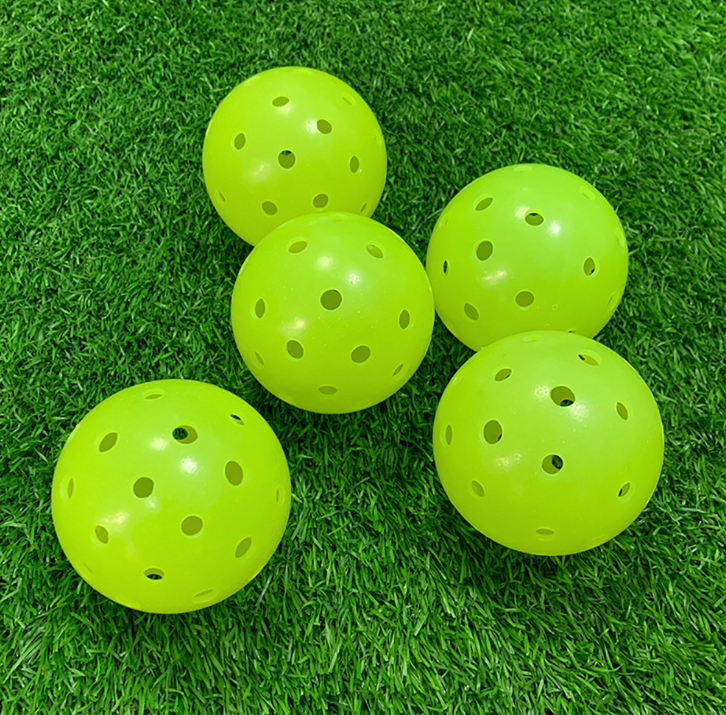
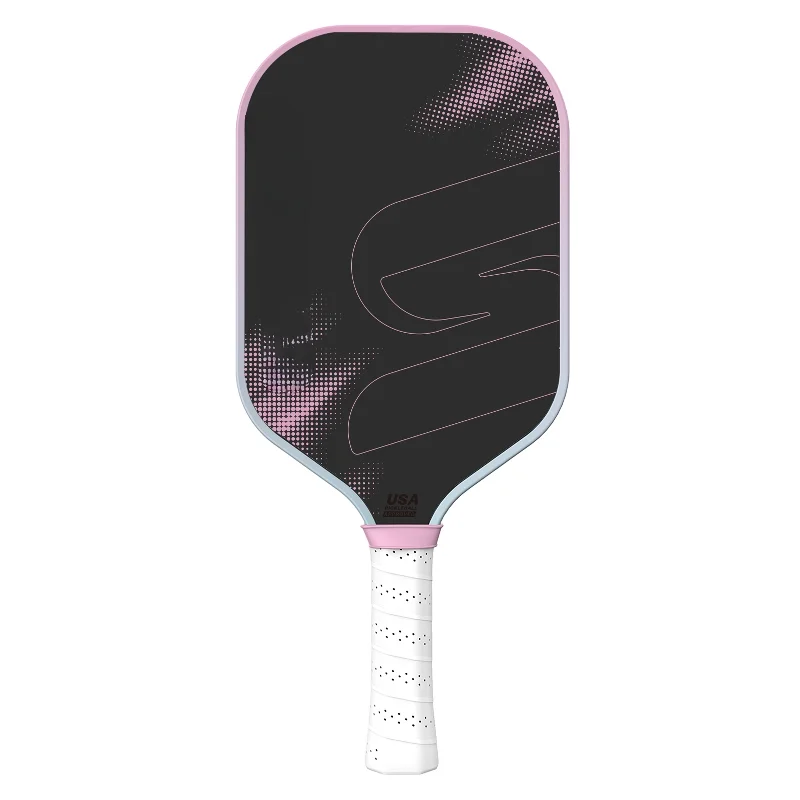
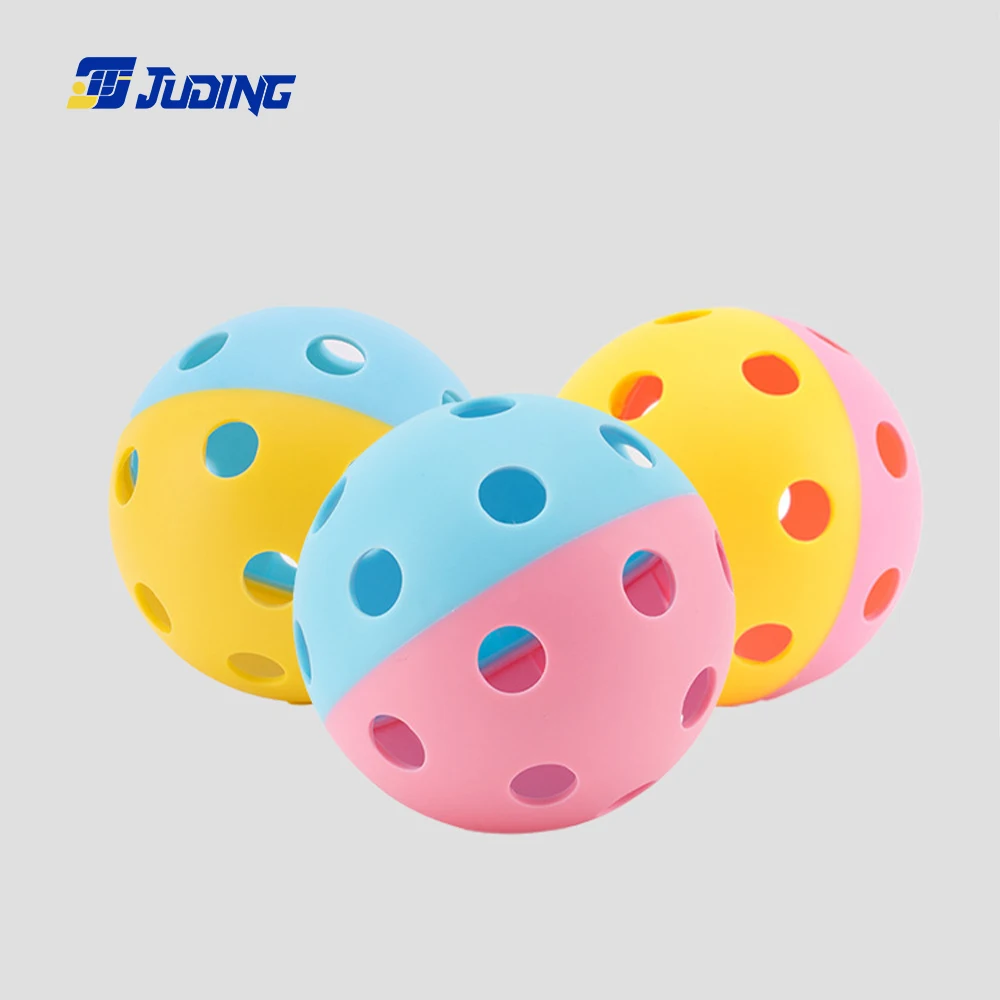
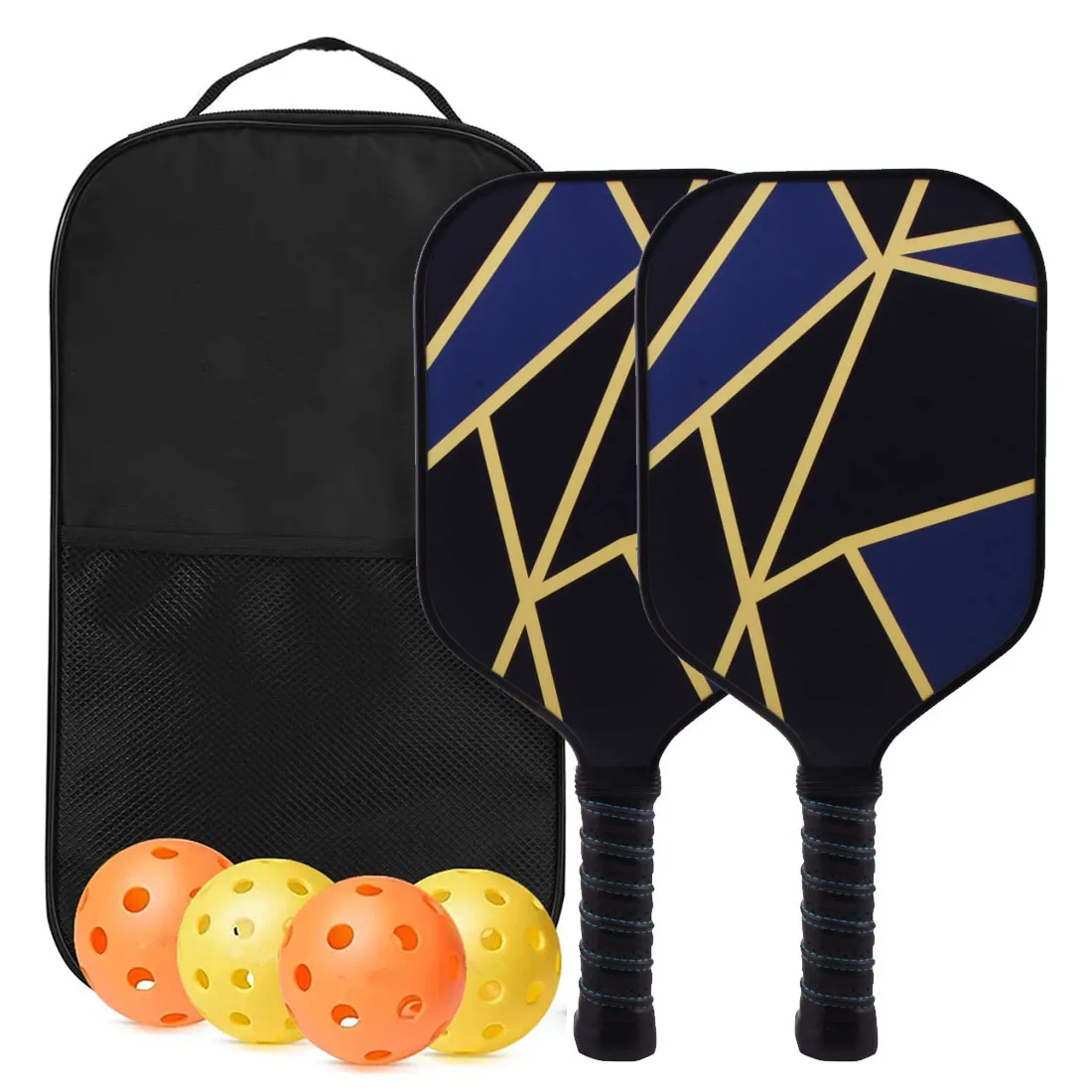
Structuring a profitable pickleball product expansion means thinking like an ecosystem architect rather than simply adding random paddle paint jobs. A mature, high-converting wholesale pickleball catalog is built around a three-pillar pyramid covering tiered hardware, high-frequency consumables, and lifestyle soft goods. At the hardware foundation, brands should pair a family-friendly two-paddle fiberglass bundle with an intermediate fourteen-millimeter carbon-faced speed model and a flagship sixteen-millimeter thermoformed Toray T700 raw carbon control paddle. Directly supporting those paddles is the consumable engine: stocking seamless rotomolded indoor twenty-six-hole and outdoor forty-hole custom pickleball balls alongside tacky polyurethane overgrips and combed cotton wristbands. While a player replaces a carbon paddle once every twelve to eighteen months, they burn through fresh balls and grip wraps every three weeks, delivering gross retail margins between sixty and seventy-two percent. Completing the pyramid with color-coordinated neoprene paddle covers, ventilated shoe-compartment sling bags, and protective lead-free tungsten weighting tapes creates an irresistible cross-selling environment where every item reinforces the brand’s visual identity.
Looking at financial turnarounds from specialty racket retailers proves how a strategic multi-category rollout multiplies store revenue without requiring extra retail square footage. Consider a five-store tennis and pickleball retail chain based in Phoenix, Arizona, that also operates an online pro shop shipping nationwide. Two years ago, their private label pickleball catalog consisted solely of two mid-priced graphite paddles that generated steady but unremarkable seasonal sales. Recognizing that customers were buying their paddles but walking next door to big-box stores for balls, bags, and grip tapes, the procurement director executed a synchronized catalog expansion ahead of the autumn desert tournament season. They introduced a pro-level thermoformed raw carbon paddle series alongside fifty-ball mesh coaching buckets of forty-hole rotomolded spheres, sixty-count countertop jars of desert-colored absorbent overgrips, and custom-embroidered terry wristbands. By merchandising bundled "Tournament Ready Kits" at a fifteen percent package discount, the chain watched its accessory attachment rate triple in ninety days, while annual revenue per active customer climbed from ninety-five dollars to two hundred and forty dollars.
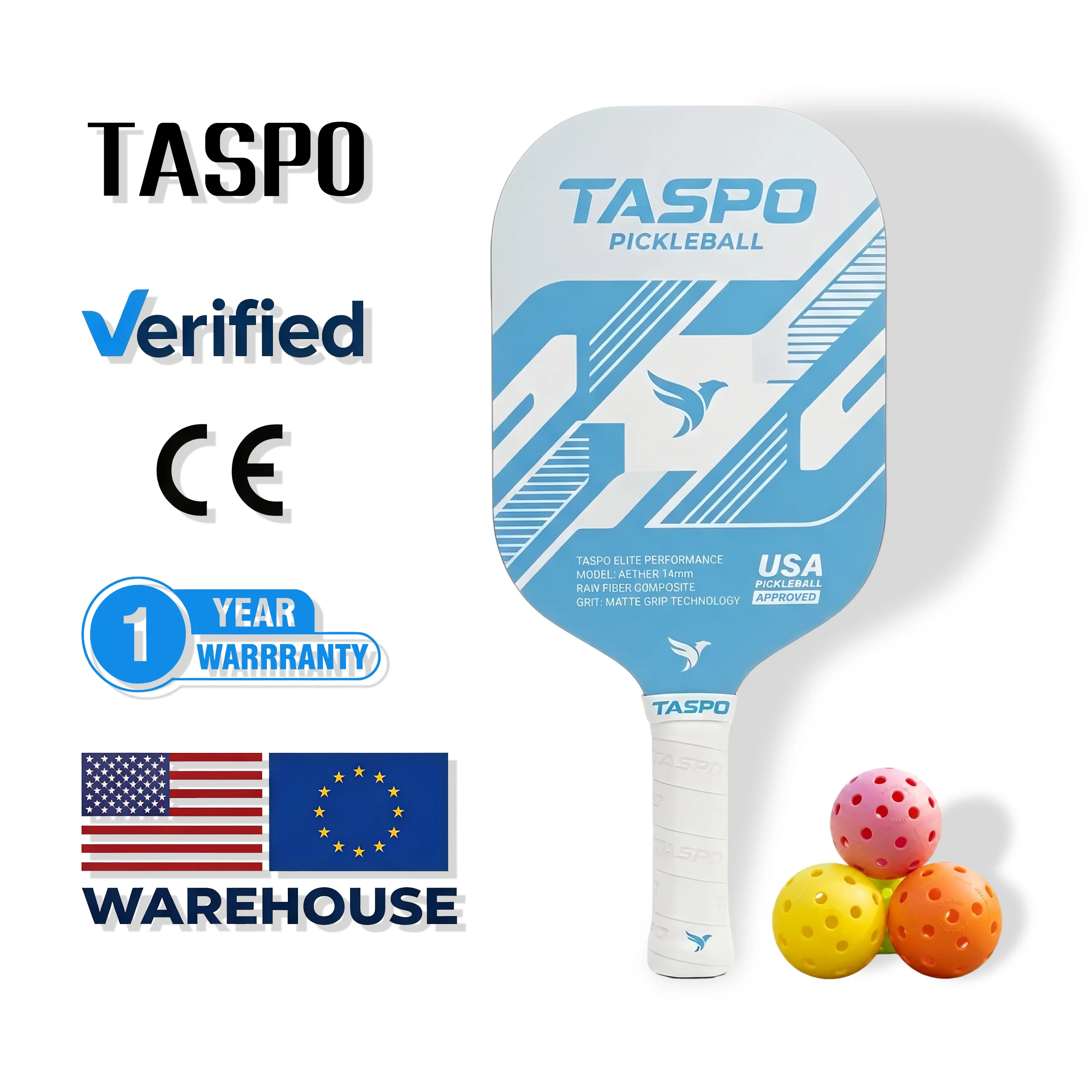
The biggest operational hurdle that stops sports brands from expanding their pickleball product offerings is the nightmare of managing five different factories across separate provinces. Trying to coordinate Pantone color matching, production lead times, and minimum order quantities between a carbon paddle factory, a plastic ball molder, a polyurethane grip coater, and a textile wristband mill often results in costly shipping delays and mismatched brand aesthetics. Consolidating multi-category development under a single, vertically integrated manufacturing partner eliminates that supply chain friction entirely. This is where Taspo provides an unmatched strategic advantage to global sports brands, club chains, and wholesale distributors. Operating dedicated ISO-certified production divisions for composite rackets, rotational-molded court balls, and athletic textile accessories under one unified quality management umbrella, Taspo enables seamless one-stop pickleball equipment sourcing. Partners can develop USAPA-approved thermoformed T700 paddles, seamless forty-hole balls, custom-embossed overgrips, cotton sweatbands, and thermal bags using unified Pantone color standards, and ship the entire collection in one consolidated ocean container—slashing freight overhead and accelerating market dominance.
 Hot News
2026-11-24
2026-11-24
2026-11-24
2026-11-24
2026-11-24
2026-11-24
 EN