Open two brand-new pressurized cans from different tournament tiers, squeeze both spheres in your palm, and their internal rubber cores often feel practically identical in firmness. Yet the moment a hard-hitting baseliner takes those two spheres onto the court, one rockets through the service box like a low-skidding bullet while the other sits up high and slows down noticeably after the third game. Asking why felt composition dictates tennis ball speed uncovers the most overlooked variable in racket sports equipment engineering. While the pressurized rubber core provides the initial launch velocity off the string bed, the outer two-millimeter textile skin governs everything that happens next: how much air drag brakes the sphere across twenty-three meters of flight, how violently topspin bends the trajectory downward, and how much horizontal momentum is lost when the ball scrapes against acrylic or clay court surfaces.
To understand how textile fibers control tennis ball speed in mid-air, wind-tunnel engineers study boundary layer turbulence and the Magnus effect. When a smooth rubber sphere flies through the air at one hundred and fifty kilometers per hour, air separates early behind the equator, creating a wide low-pressure wake. Wrapping the core in fuzzy tennis ball felt introduces thousands of microscopic filaments that trip the airflow into a thin, controlled turbulent boundary layer while generating aerodynamic drag proportional to the height and density of the raised nap. As long as the felt weave remains tight and compact out of the can, the sphere slices through the air with minimal deceleration. However, as heavy string impacts pull loose fibers outward and increase effective diameter by even one point five millimeters, wind resistance spikes by nearly eighteen percent. Simultaneously, those raised wool fibers catch the air during three-thousand-RPM topspin strokes, amplifying downward Magnus force so the ball dips sharper and kicks higher rather than skidding flat through the court.
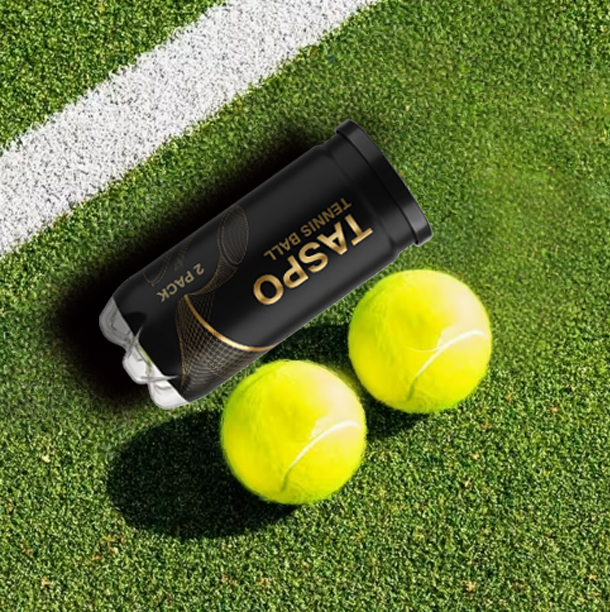
Manufacturers engineer felt speed profiles by adjusting the exact ratio of natural crimped wool, synthetic nylon, and cotton backing inside two primary textile constructions: needle-punched felt and woven melon felt. Budget recreational balls use needle-punched synthetic felt made from polyester or acrylic fibers mechanically barbed together. Because synthetic fibers lack natural crimp elasticity, needle-punched spheres feel slick and fast for the first ten minutes before shredding into ragged, uneven fuzz that ruins trajectory control. By contrast, a true tournament tennis ball utilizes woven felt—where wool and nylon yarns are interlaced over a cotton warp backing. Increasing the natural New Zealand wool content to sixty or sixty-five percent creates a plush, high-density nap that pockets deeply into polyester strings and moderates court pace for long, controlled rallies. Meanwhile, blending fifty to fifty-five percent wool with high-tenacity nylon filaments locks the weave down tight, preventing excessive fluffing and preserving faster hard court tennis ball velocity across multiple sets.
Controlled telemetry from tournament testing laboratories illustrates just how rapidly felt evolution alters match speed across a standard nine-game ball-change window. During a biomechanical court study conducted across outdoor acrylic hard courts and crushed-brick clay courts, equipment engineers fired three different woven tennis ball felt formulations from a pneumatic cannon at one hundred and thirty kilometers per hour over two hundred consecutive impacts. Doppler radar sensors measured incoming velocity at the baseline and post-bounce exit speed. Spheres wrapped in loose, low-nylon felt fluffed up by one point four millimeters in nap height within forty impacts, causing post-bounce court speed to drop by thirteen point five kilometers per hour as the fuzzy exterior grabbed onto the gritty acrylic paint. Conversely, spheres engineered with tightly interlocked wool-nylon extra-duty felt maintained a compact profile and experienced forty-one percent less velocity decay over the exact same two-hundred-impact cycle, keeping offensive serve-and-volley tactics viable deep into the set.
Environmental moisture and court surface particulates interact directly with felt chemistry to shift playing speed mid-match. Natural wool fibers are inherently hygroscopic, meaning they absorb ambient humidity, morning dew, and wet clay dust right into their cellular structure. When an untreated wool felt absorbs just two grams of moisture and court grit, the sphere becomes heavy, sluggish, and harsh on the athlete's elbow tendons. To preserve crisp tennis ball speed across damp coastal venues and European red clay courts, top-tier factories treat the woven wool-nylon panels with fluoro-free hydrophobic silicone elastomers and stain-resistant coatings during the textile finishing stage. Matching these specialized felt treatments to the target venue—selecting tight-weave hydro-repellent Regular Duty felt for clay and indoor carpet, and interlocking nylon-reinforced Extra Duty felt for abrasive silica-sand hard courts—ensures consistent pace from the first serve to the final tiebreak.
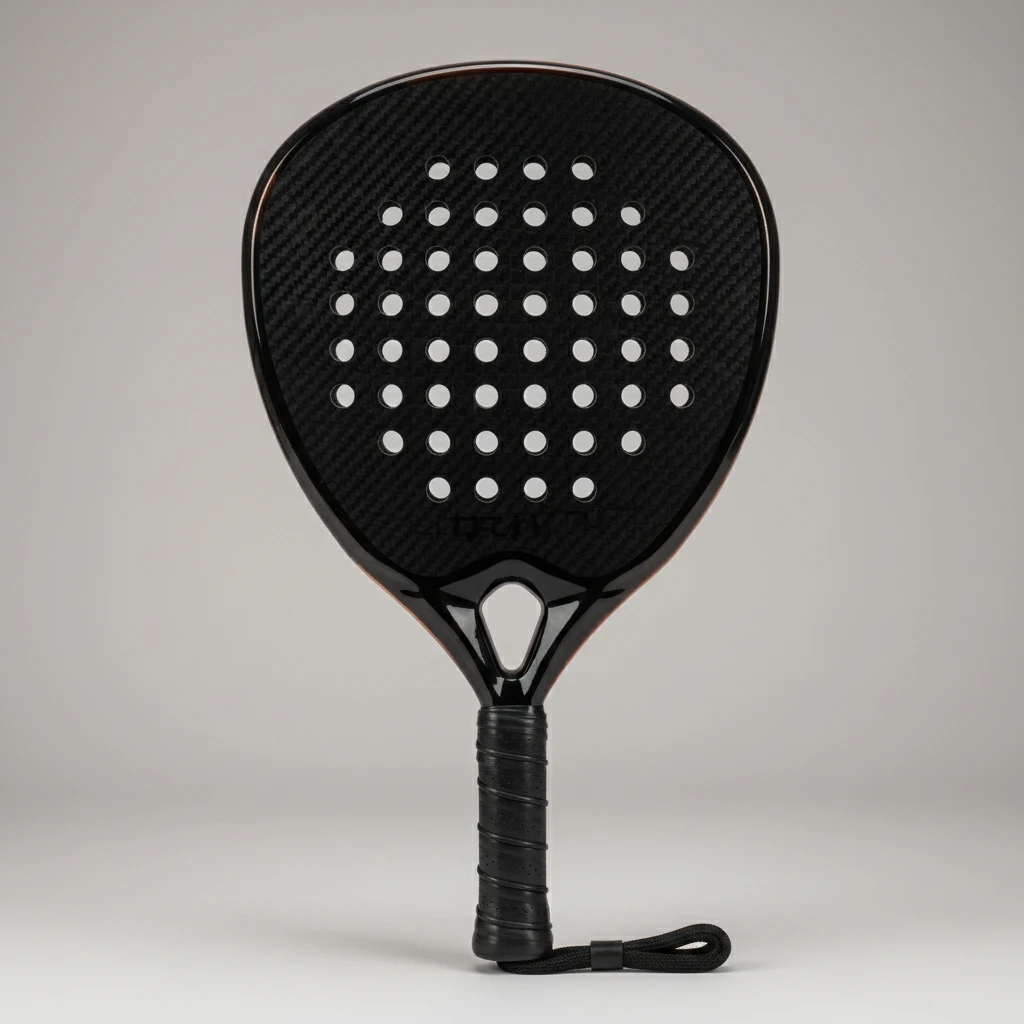
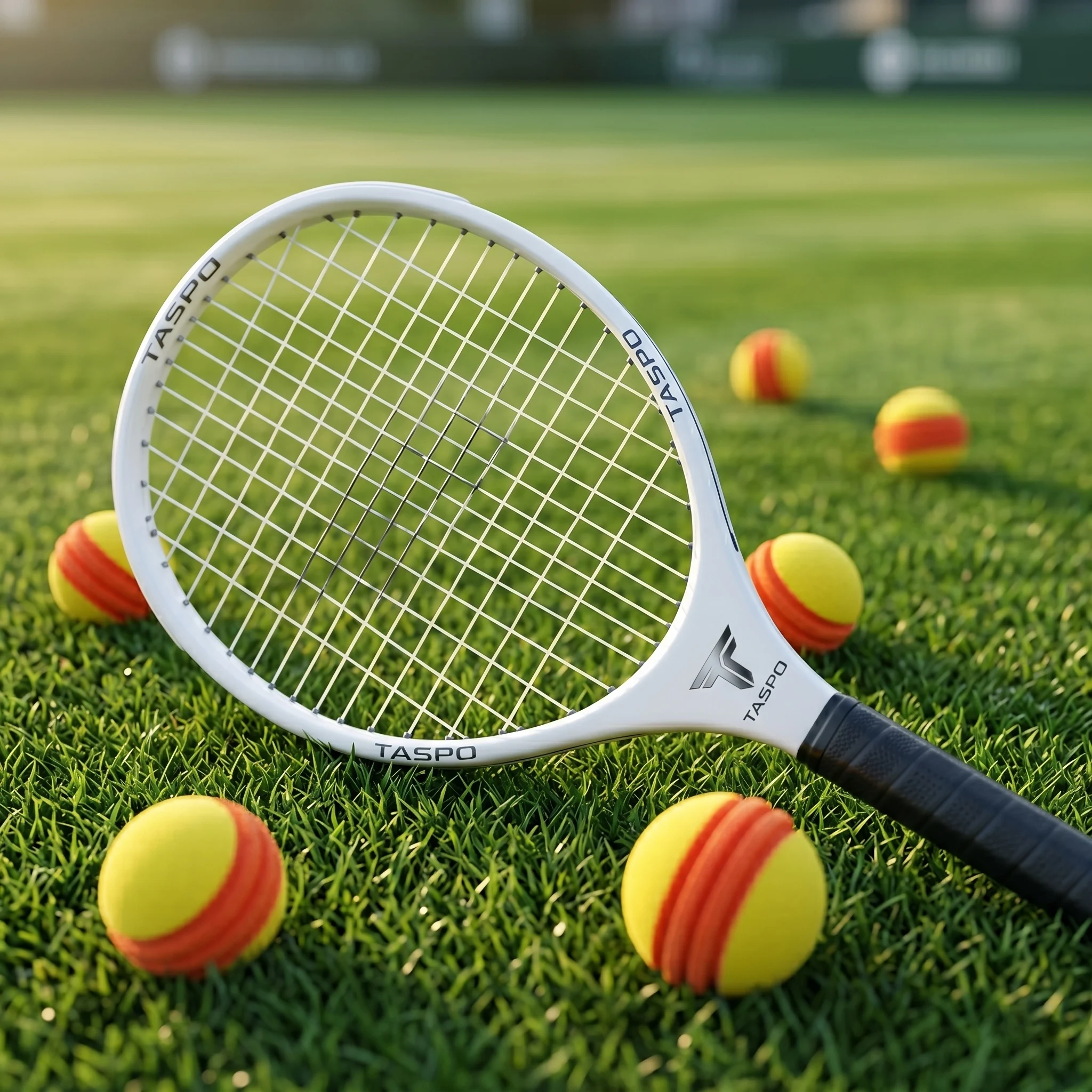
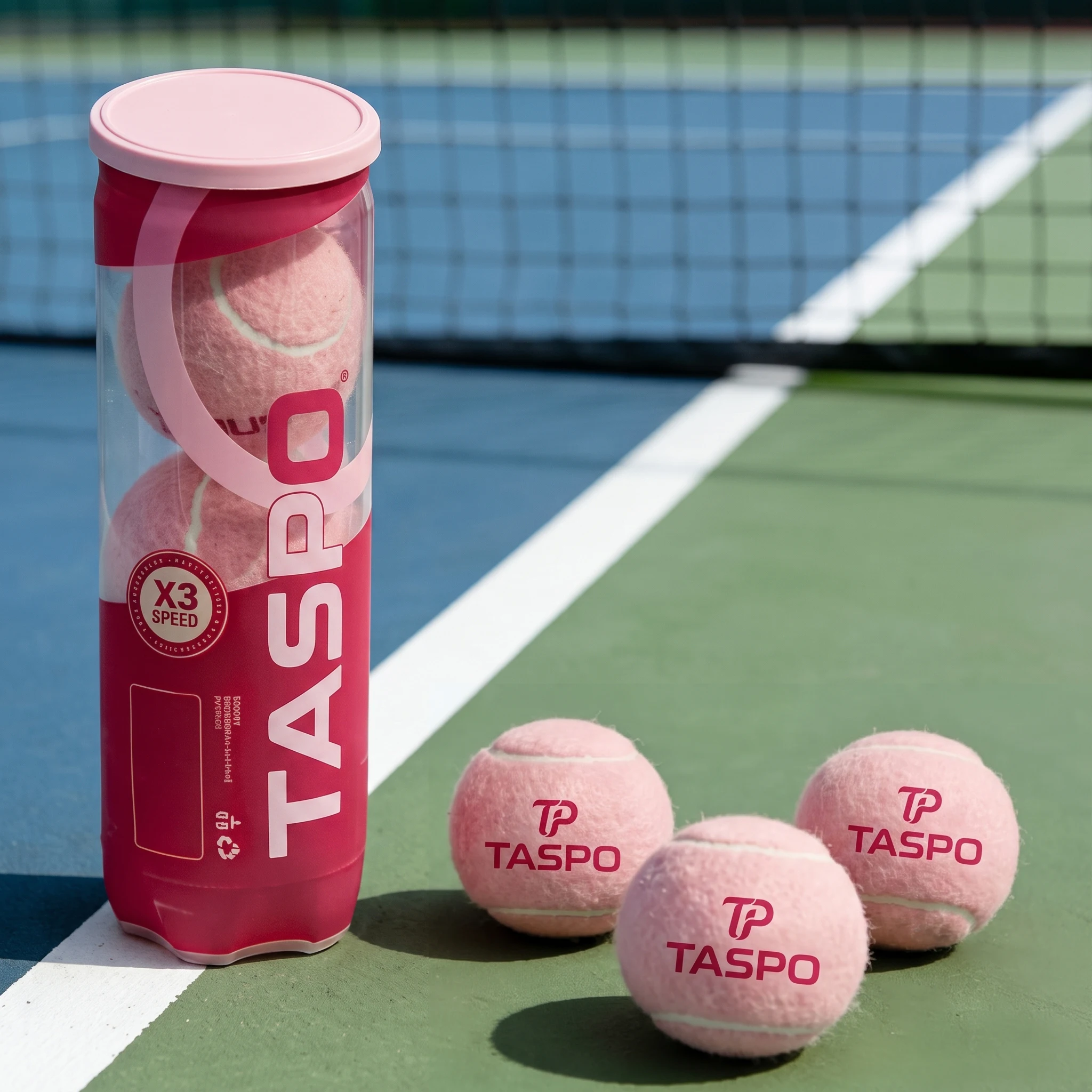
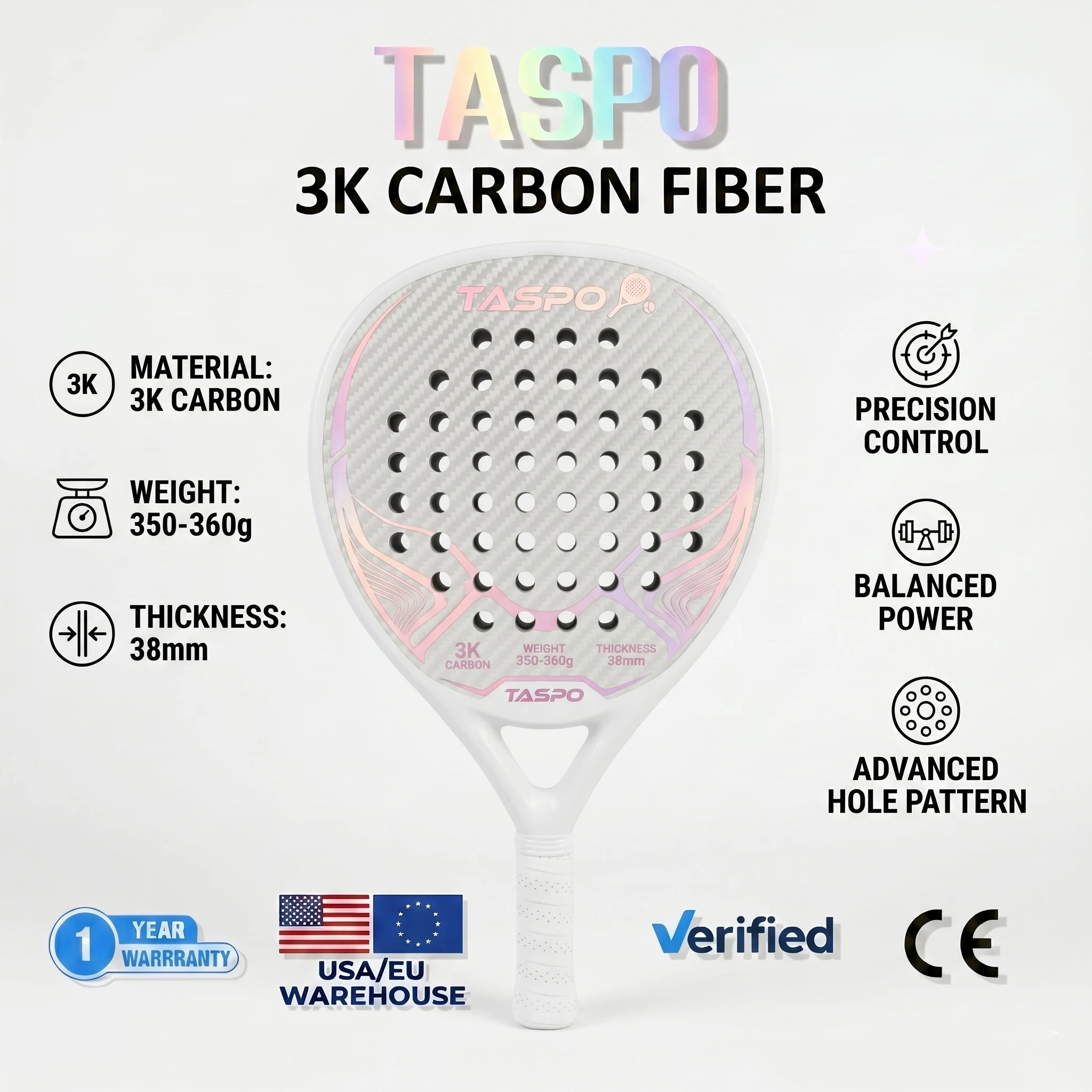
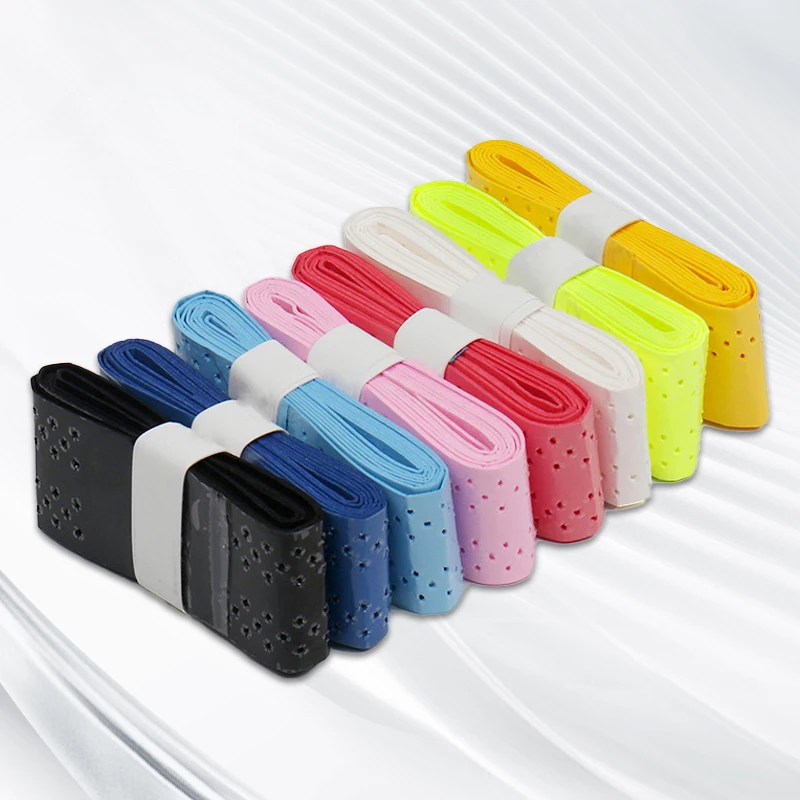
Developing a private-label ball collection or tournament supply line calibrated to exact regional court speeds requires partnering with a manufacturer that controls both rubber core vulcanization and textile felt engineering. Taspo operates as a premier B2B sports equipment manufacturer backed by over one hundred and thirty experienced engineers and self-owned standardized production bases. Alongside crafting tour-caliber carbon fiber tennis rackets, pickleball paddles, and padel frames through advanced autoclave curing and thermoforming, Taspo provides comprehensive one-stop OEM and ODM solutions for custom tournament tennis ball lines, extra-duty and regular-duty canisters, pressureless academy balls, tacky overgrips, sweatbands, and thermal court bags. Brand partners can customize exact New Zealand wool-to-nylon weave ratios, hydrophobic felt treatments, optic yellow dye vibrancy, and pressurized PET or metal cans. Every hard court tennis ball produced at Taspo passes through seven strict quality inspection gates verifying Martindale felt abrasion resistance, three-axis compression deflection, and granite drop-tower bounce accuracy. With custom prototypes ready in seven to fifteen working days and twenty-four-hour technical support, Taspo powers global tennis brands.
 Hot News
2026-11-20
2026-11-20
2026-11-20
2026-11-20
2026-11-20
2026-11-20
 EN