In the competitive racquet sports economy, hardware frames capture the spotlight on marketing billboards, yet consumable handle wraps generate the highest recurring cash-flow velocity across pro shops and digital storefronts. An avid league athlete purchases a new carbon frame once every eighteen months, whereas that same competitor replaces their worn handle wrap every six to eight hours of court time. However, many emerging athletic labels and regional equipment distributors sabotage their own profitability during grip tape wholesale sourcing by relying on multi-tiered trading brokers rather than direct industrial factories. When a sports brand procures inventory through third-party intermediaries, middleman commissions inflate landed unit costs by thirty to forty percent, eroding the margin buffer required to support distributor tiers. Worse still, trading brokers routinely split orders across multiple unverified workshops to shave pennies, resulting in severe tactile inconsistency where one shipment feels plush and tacky while the next batch arrives stiff and slippery. Establishing a direct grip tape wholesale partnership with a vertically integrated production facility eliminates intermediary markups completely, pushing retail gross margins past seventy percent while guaranteeing that every master roll adheres to an identical chemical formulation across years of repeat reorders.
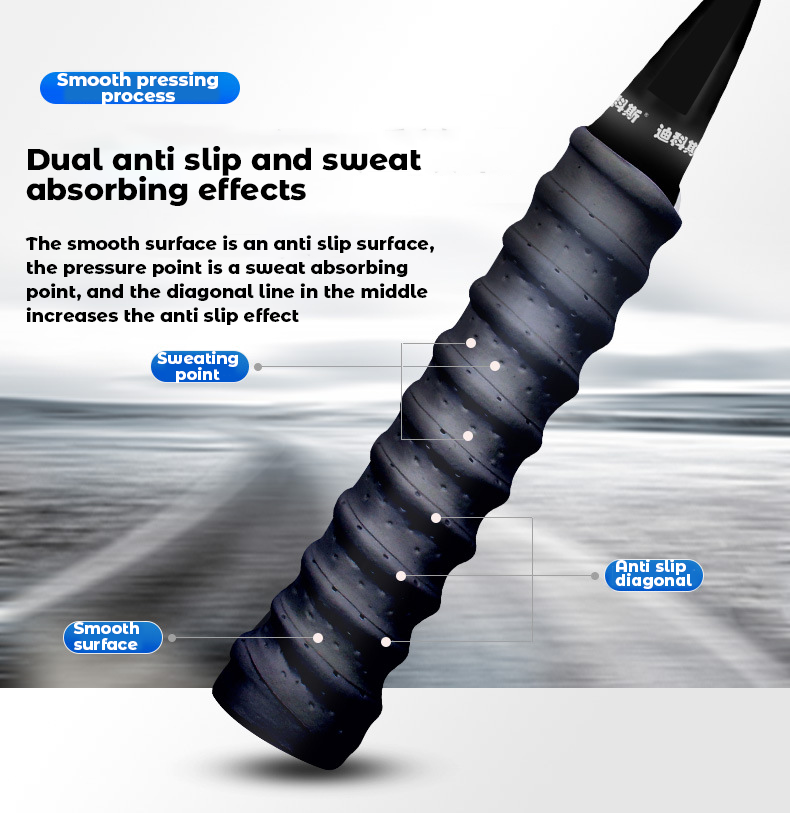
For procurement directors evaluating potential manufacturing partners, the most critical technical audit involves verifying how the factory formulates and cures its exterior elastomer layer. Across global wholesale markets, low-cost vendors frequently pass off dry-cast PVC or sealed polyurethane films as tournament-grade wraps. In dry-cast fabrication, a non-porous plastic film is simply heat-laminated onto a thin foam strip and brushed with a temporary topical adhesive; once an athlete's palm begins sweating during a humid second set, moisture pools on top of the sealed plastic skin and turns the racket handle into a slick hazard. Authentic high-performance grip tape relies on wet-process polyurethane coagulation paired with a needle-punched microfiber foundation. During wet-process manufacturing, liquid polyurethane resin dissolved in organic solvents is coated onto a moving textile web and submerged through temperature-regulated water baths. As water molecules displace the solvent, they form an interconnected vertical labyrinth of open capillary micro-pores measuring fifteen to twenty-five microns wide. Directly beneath this breathable polyurethane skin sits a high-density non-woven substrate woven from entangled polyamide and polyester microfibers. When a sweaty hand grips this engineered racket grip, capillary suction pulls moisture instantaneously away from the skin and locks it inside the underlying felt reservoir, maintaining a wet static friction coefficient above 0.88 without chemical stickiness.
Sourcing consumable wraps across international maritime routes exposes polymeric materials to severe environmental stress long before the product reaches a player's hands. Inside sealed forty-foot ocean freight containers crossing equatorial waters, internal temperatures routinely climb past sixty degrees Celsius while relative humidity hovers near ninety percent. Unstabilized polyurethane elastomers are notoriously vulnerable to moisture-induced chain cleavage known as hydrolytic degradation; if a factory omits anti-hydrolysis cross-linking agents during raw resin compounding, wholesale cartons arrive at the destination warehouse with wraps that have already turned gummy, brittle, or delaminated inside their packaging. Authoritative wholesale sourcing protocols mitigate this financial risk by mandating destructive pre-shipment laboratory audits. Every master batch must survive ninety-six continuous hours inside a seventy-degree-Celsius humidity chamber at ninety-five percent relative humidity—simulating twenty-four months of shelf storage—followed by fifteen hundred rotational cycles on a Taber abrasion tester without surface flaking. Simultaneously, automated laser micrometers must monitor total thickness across the entire width of the jumbo roll, holding caliper tolerances strictly within plus or minus 0.02 millimeters so players never experience lumpy overlaps or rounded handle bevels on their racket handle.
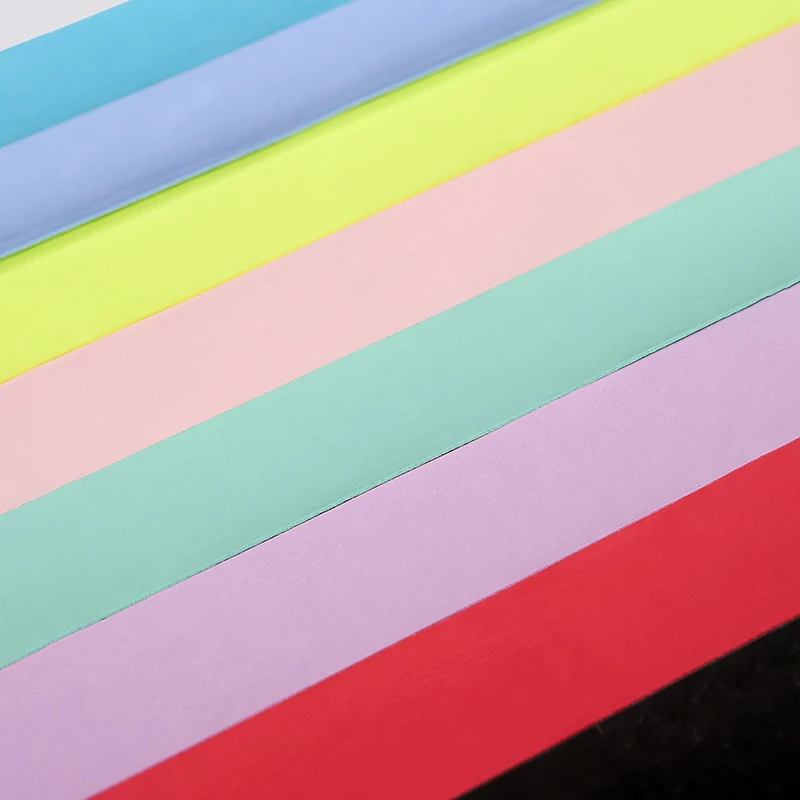
A major commercial advantage of direct factory grip tape procurement is the ability to tailor physical dimensions, surface textures, and retail packaging architectures to match distinct athletic demographics. A single generic wrap specification cannot satisfy the diverse biomechanical demands of modern court sports. For baseline lawn tennis brands, engineers calibrate a cushioned 0.65-to-0.75-millimeter racket grip featuring a lofty microfiber backing that dampens harsh 200-hertz impact vibrations and protects wrist tendons. For enclosed-court padel labels competing in humid summer venues, technicians program laser-perforation arrays or thermal-roller hexagonal debossing patterns across a 0.60-millimeter profile to accelerate evaporative sweat drainage. Meanwhile, for high-velocity badminton collections where rapid finger twirling and sharp octagonal bevel indexing are paramount, factories slit ultra-thin 0.45-to-0.50-millimeter ribbons with high tensile stretch modulus. To maximize checkout turnover across varied distribution channels, smart sports brands segment their wholesale orders into three distinct packaging formats: nitrogen-flushed single aluminum foil pouches for tournament promotional giveaways, vibrant three-pack or five-pack blister hang cards for e-commerce and sporting goods walls, and airtight sixty-unit acrylic pro-shop display drums that drive spontaneous impulse purchases right beside the cash register.
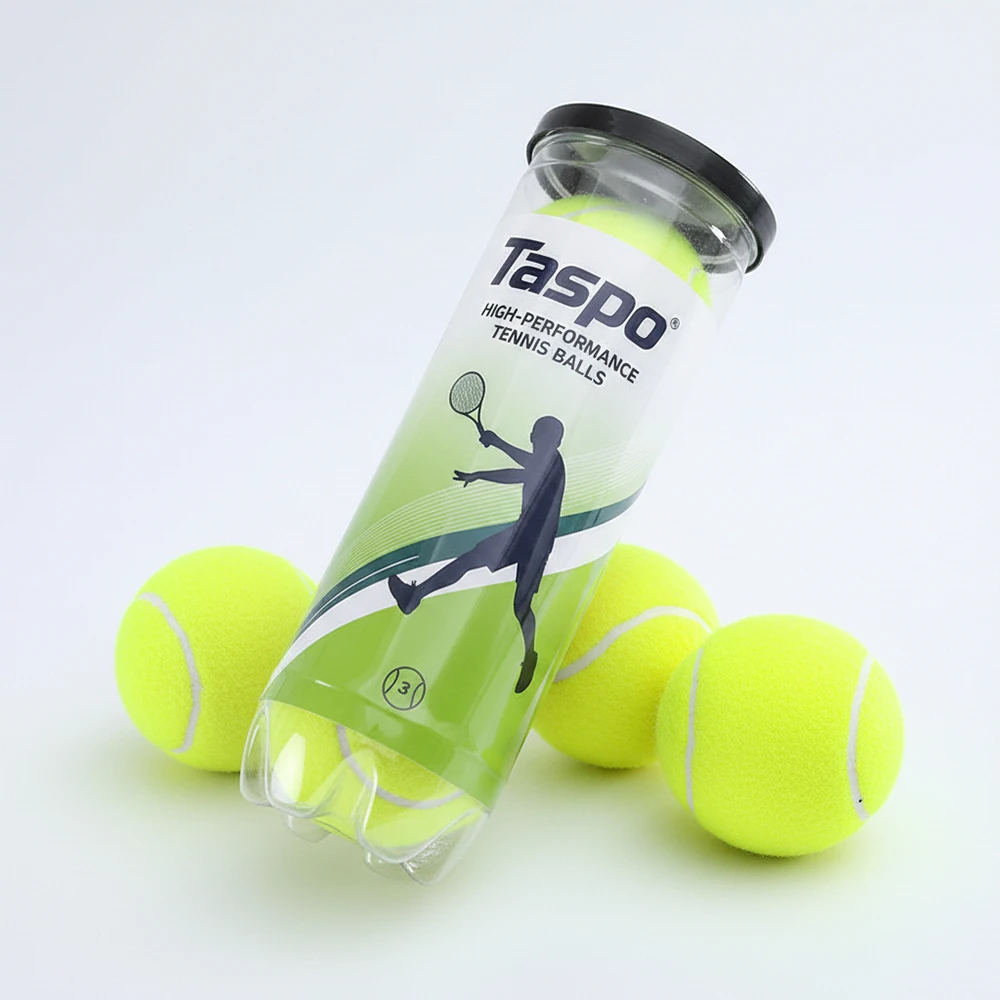
Building a dominant global accessory line requires partnering with an industrial manufacturer that unites chemical polymer mastery, dust-free slitting precision, and turnkey packaging execution under one roof. Attempting to coordinate raw polyurethane coating at one plant, rotary slitting at a second workshop, and blister-card printing through an outside packaging vendor introduces costly delays and Pantone colorway mismatches. In the international sporting goods manufacturing sector, Taspo stands as a premier accessories manufacturer and direct wholesale partner for prestigious sports brands, coaching academies, and national distributors. Operating automated wet-process polyurethane coagulation lines, positive-pressure slitting cleanrooms, precision thermal debossing rollers, and high-speed automated packaging lines, Taspo controls every variable of production from raw resin compounding to final carton palletizing. Every custom racket grip slit by Taspo features clean beveled taper ends, protective PET release films, custom-printed PVC finishing tapes, and certified Grade 4.5 acidic sweat color fastness so neon dyes never stain athlete palms. By partnering directly with an established accessories manufacturer like Taspo, commercial sports brands secure rapid OEM sampling, zero-defect hydrolysis durability, and scalable wholesale supply chains that dominate retail markets worldwide.
 Hot News
2026-11-11
2026-11-11
2026-11-11
2026-11-11
2026-11-11
2026-11-11
 EN