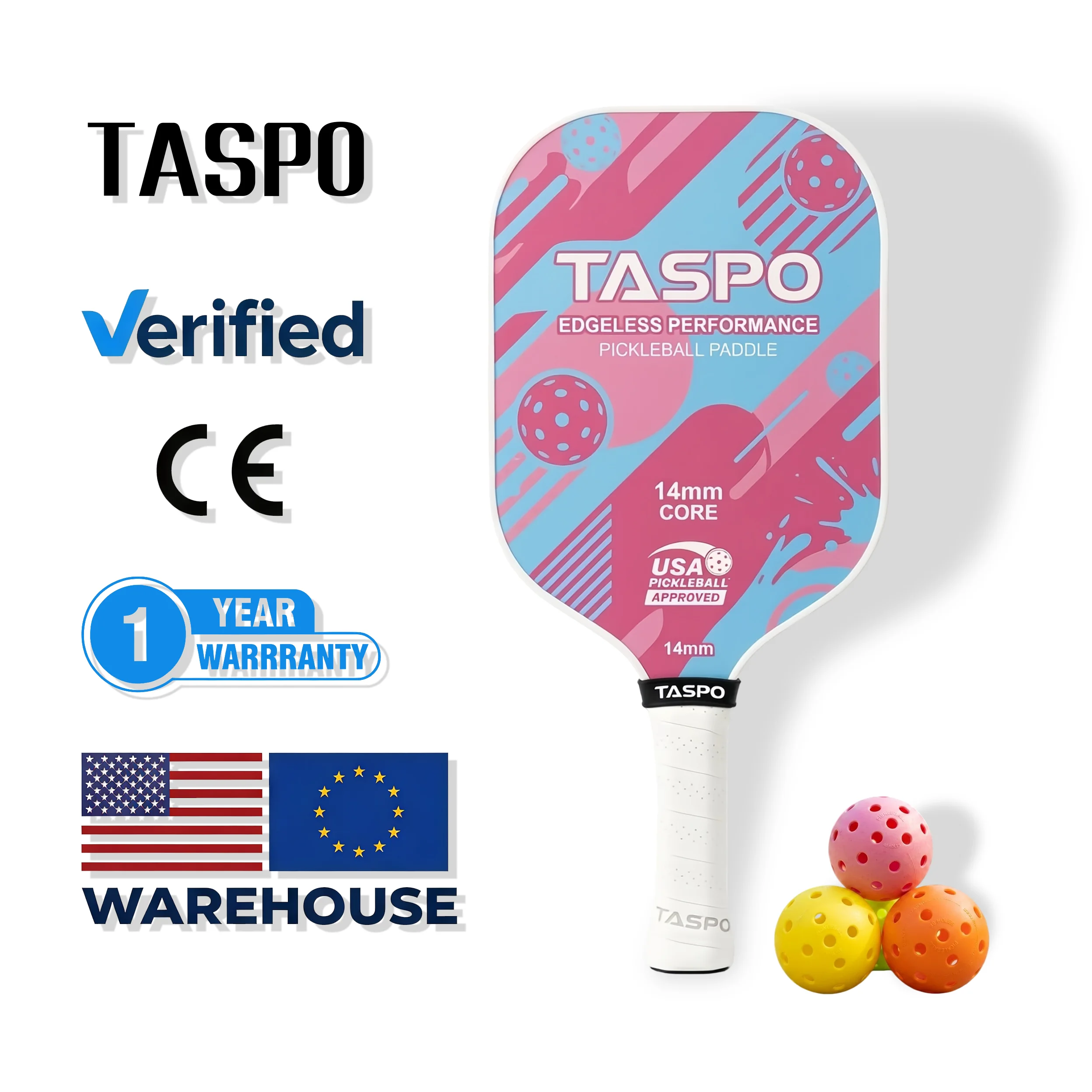
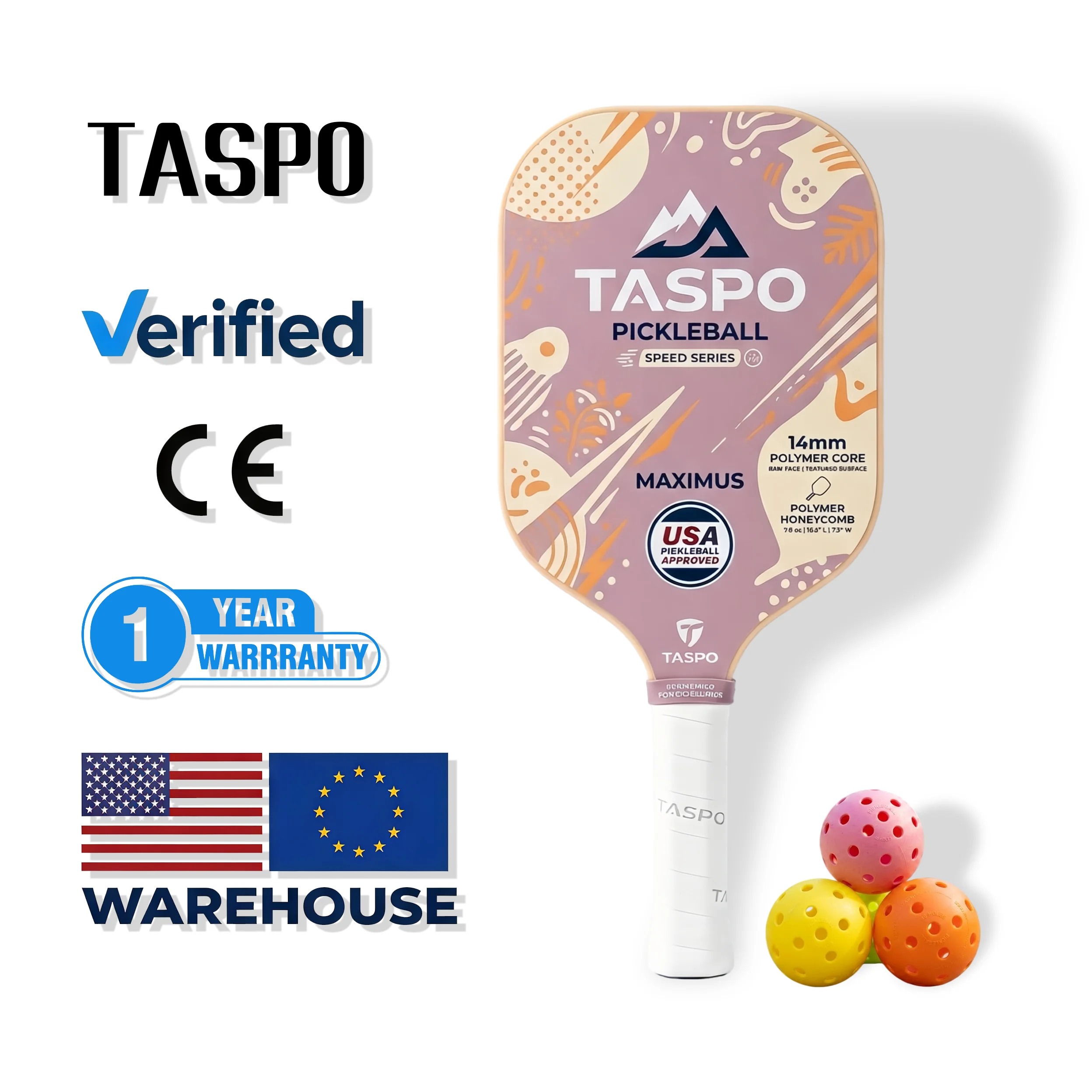
In high-velocity court disciplines spanning lawn tennis, professional padel, and fast-paced badminton, tactical execution depends directly on the mechanical stability of the racket handle inside the hand. When an athlete swings a carbon frame at ninety miles per hour, ball impact against a stiff composite face generates immense sudden torque. If the ball strikes even two centimeters outside the optimal sweet spot, this off-center collision attempts to spin the handle violently inside the palm. Understanding how to choose a premium wrap for better racket handling begins with the physics of static friction and torsional deflection. According to contact mechanics, the maximum resistance against twisting is determined by the coefficient of static friction at the interface of the skin and the polymer topcoat. On a worn, smooth, or low-quality grip surface, this friction coefficient drops below zero point four. The handle slips instantly upon impact, causing the ball to fly wide of the target line and forcing the player to clench their fingers in a fatiguing death grip. Choosing a highly tacky overgrip locks the hand securely to the octagonal facets, neutralizing torsional movement and ensuring complete directional control.
A major equipment error committed by intermediate players is selecting an overly thick, heavily cushioned overgrip in an attempt to protect their joints. While thick foam wraps absorb impact shock comfortably, they round out the sharp octagonal bevels of the handle, turning the octagonal shaft into a featureless cylinder. This rounding destroys palmar proprioception—the neurological ability of mechanoreceptors in the palm to blindly sense the exact tilt angle of the frame face. To secure outstanding racket handling, athletes must select a caliper thickness tailored specifically to their sport's biomechanical demands. For tennis baseliners facing heavy kinetic plow-through, a plush zero point seven five millimeter wrap provides vital vibration damping. For padel doubles players executing constant volley resets, a zero point six zero millimeter profile balances shock absorption with rapid maneuverability. Meanwhile, for badminton competitors who rely on rapid finger twirling, an ultra-thin zero point five zero millimeter overgrip is crucial, preserving the sharp octagonal edges for surgical bevel indexing.
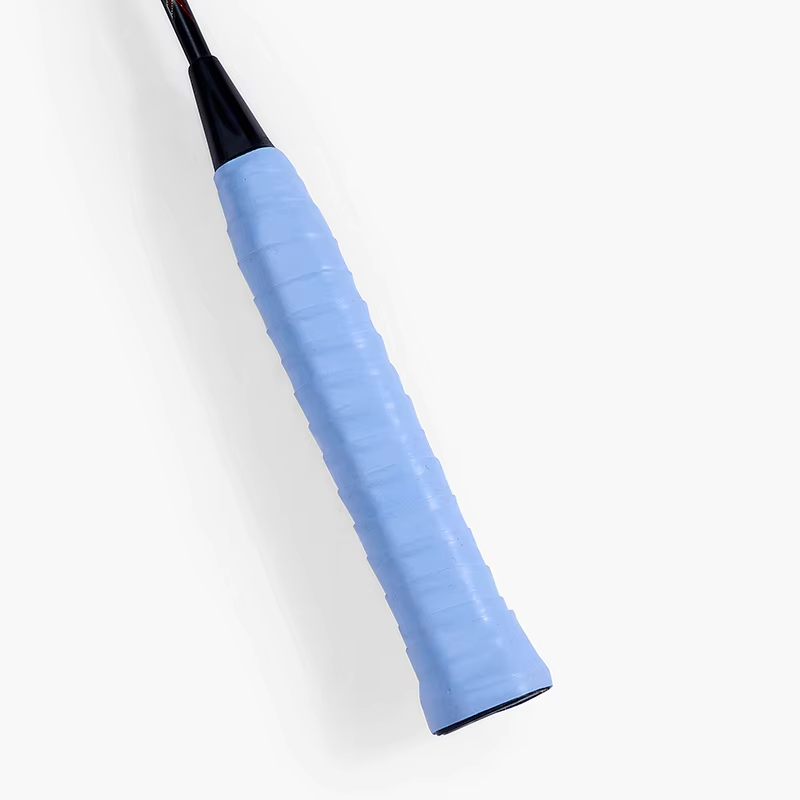
During humid summer matches, palmar eccrine glands secrete up to forty milliliters of salty perspiration per hour directly onto the handle. When sweat pools on top of cheap, dry-cast laminated vinyl films, a micro-fluid layer of liquid water forms, completely separating the skin from the polymer and dropping the dynamic friction coefficient by over fifty percent. This hydroplaning effect causes the hand to slide off-target during aggressive overhead smashes. Conquering boundary-layer slippage requires choosing an overgrip engineered through wet-process polyurethane coagulation. During this advanced manufacturing stage, liquid polyurethane is passed through controlled temperature water baths, creating a vertical labyrinth of open capillary micro-pores measuring fifteen to twenty-five microns wide. This breathable surface acts like a biological sponge, pulling moisture away from the skin instantly and locking it inside the underlying needle-punched microfiber felt substrate. By routing sweat downward, the open-cell polyurethane topcoat maintains a clean, slip-free contact plane, allowing players to execute delicate drop shots under heavy perspiration.
The physical performance of a handle wrap is determined not only by its surface tackiness but also by its tensile stretch modulus and compressive recovery memory. When wrapping a fresh overgrip around a handle, the player must apply constant tension to stretch the ribbon tautly; if the material lacks high elastic recovery, the edges will buckle, curl, and slip during play, creating uncomfortable, abrasive ridges. High-quality wraps are formulated with medical-grade spandex core yarns that allow the ribbon to elongate by ten percent under normal tension without necking down. Furthermore, during a three-set match, the palm exerts immense localized compression force on the handle, peaking at over one hundred pounds during explosive serves. In low-density, cheap wraps, this pressure permanently crushes the non-woven backing felt into a flat, paper-thin crust that loses its shock-absorbing dampening properties within forty-five minutes. High-performance overgrips utilize high-density, needle-punched microfibers that compress progressively to absorb harsh vibrations and then recover their original thickness the instant the fingers relax between points.
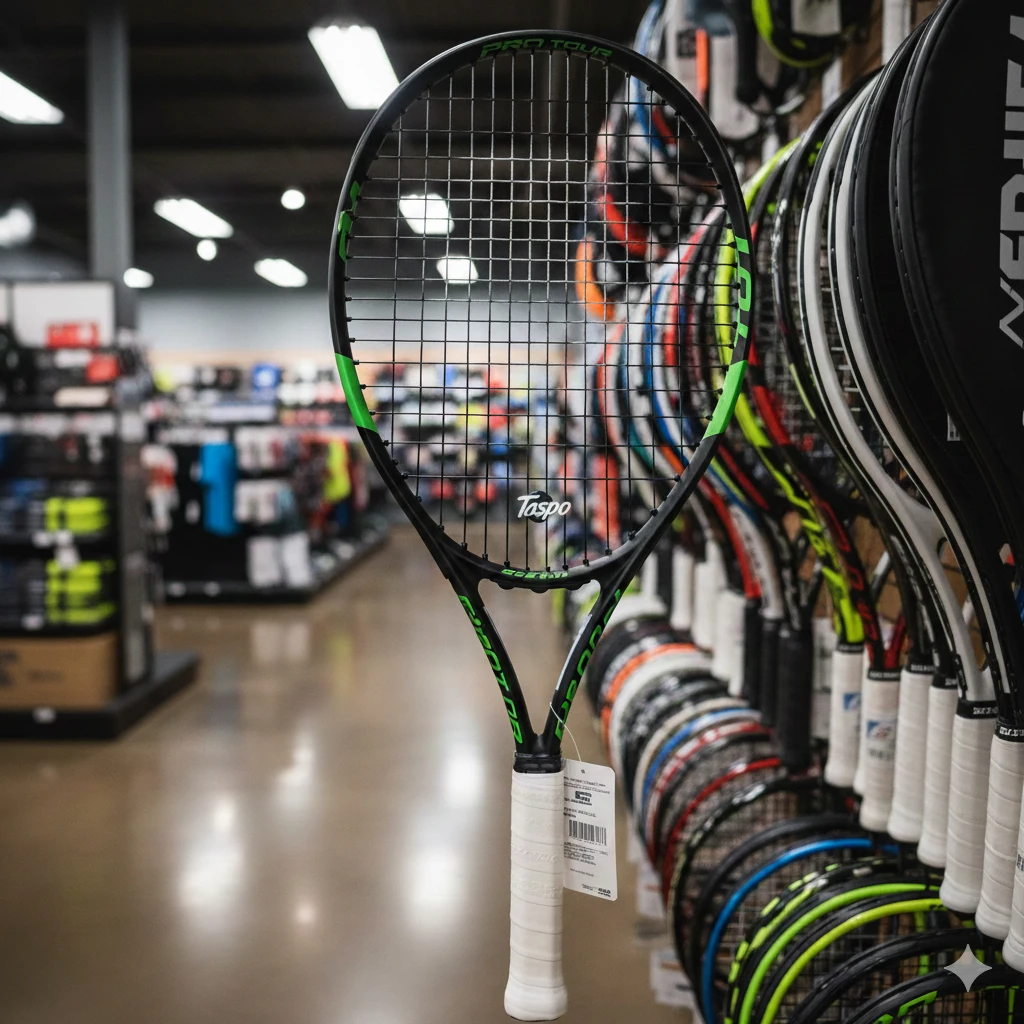
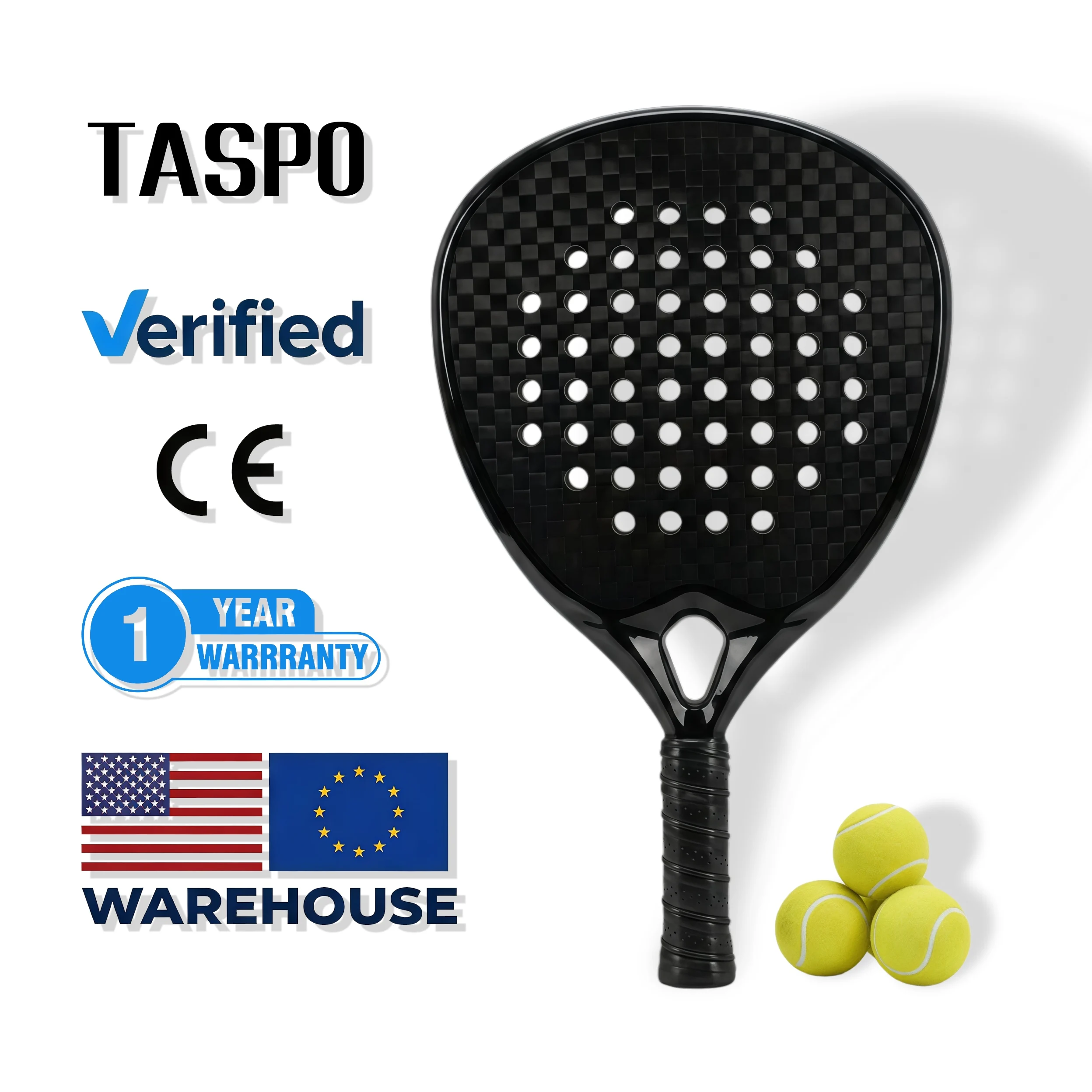
For international sporting goods brands, commercial multi-court clubs, and regional distributors, launching a professional overgrip line represents a highly lucrative way to drive high-margin, recurring accessory sales. Players who experience the tactile confidence of a matched, high-performing wrap remain fiercely loyal, purchasing bulk canisters and multi-pack hang cards every season. However, maintaining microscopic thickness consistency and exact pore dimensions across large wholesale shipments requires partnering with an industrial manufacturer equipped with cleanroom calendering lines. In the global sporting goods sector, Taspo stands as a premier accessories manufacturer and turnkey OEM partner for prestigious international brands. Operating climate-controlled carbon molding cleanrooms right alongside automated wet-process polyurethane coagulation coating lines, dust-free slitting cleanrooms, and custom packaging facilities, Taspo delivers unmatched overgrip quality. Every custom overgrip manufactured by Taspo undergoes rigorous Taber abrasion testing, seventy-degree hydrolysis audits, and digital micrometer thickness verification before sealing. Partnering with a trusted manufacturer like Taspo guarantees commercial brands tournament-compliant quality, eye-catching retail packaging, and reliable global supply chains.
 Hot News
2026-11-09
2026-11-09
2026-11-09
2026-11-09
2026-11-09
2026-11-09
 EN