Organizing a sanctioned championship or managing a high-level club league requires absolute consistency across every square meter of the court, yet nothing derails a competitive match faster than an unpredictable sphere. While casual beginners might not notice subtle drops in rebound height, elite athletes executing split-second reflex volleys at the net and calculating off-the-glass smash angles rely entirely on uniform aerodynamics. Evaluating how to choose a padel ball for professional matches starts with solving the number one complaint among tournament players: premature depressurization. Cheap recreational balls often feel overly hard during the five-minute warm-up, only to go completely flat and spongy midway through the first set after absorbing repeated overhead impacts against the metallic mesh and tempered glass walls. Court telemetry tests show that low-grade spheres can lose up to eighteen percent of their internal gas pressure within just four games of heavy hitting, forcing players to over-swing and risking shoulder strain. Selecting a genuine professional padel ball eliminates this erratic performance drop-off. By prioritizing multi-stage vulcanized rubber cores and tour-certified felt seams, tournament directors guarantee that a lob hit in the twelfth game flies and rebounds with the exact same velocity as the opening serve of the afternoon.
Understanding why a tournament padel ball behaves differently from a standard tennis ball or a budget practice sphere requires looking inside its two-part construction. Although both sports share similar visual dimensions, international governing bodies mandate specific physical parameters tailored to the twenty-by-ten meter enclosed padel court. According to official federation benchmarks, a compliant pressurized padel ball must measure between six point three five and six point seven seven centimeters in diameter, weigh strictly between fifty-six and fifty-nine point four grams, and achieve a rebound bounce between one hundred and thirty-five and one hundred and forty-five centimeters when dropped from a height of two hundred and fifty-four centimeters onto a concrete slab. Achieving this controlled bounce demands an internal pressure calibrated around ten to eleven pounds per square inch, slightly lower than standard tennis specifications to prevent the ball from rocketing uncontrollably off the back glass. At the center, top manufacturers compound high-purity natural latex rubber with micro-sealing curing agents that block nitrogen and air molecules from migrating through the core wall. Wrapping that core is an interlocking woven wool felt cloth containing fifty-five to sixty percent natural New Zealand wool blended with high-tenacity nylon and hydro-repellent acrylic fibers. Unlike cheap needle-punched synthetic felt that fluffs up like a dandelion after twenty minutes on sandy artificial turf, interlocking woven felt maintains a tight aerodynamic nap that grips carbon racket textures for predictable slice and topspin trajectories.
Even the most meticulously engineered professional padel ball will underperform if its internal pressure profile clashes with local geography and climate. Smart tournament coordinators and club purchasing managers never use a one-size-fits-all approach when ordering custom padel ball inventory for seasonal circuits. Ambient temperature, barometric altitude, and relative humidity drastically alter how rubber expands and how wool fibers interact with the turf. In coastal venues across Spain, Italy, Florida, or Southeast Asia, high humidity and cooler evening air cause natural wool felt to absorb microscopic moisture droplets, making the sphere heavier, slower, and harder to smash out of the court by three meters or four meters. For these slow, damp conditions, buyers should specify a high-speed tournament padel ball pressurized closer to eleven point five pounds per square inch with a tighter, water-resistant felt weave that keeps rallies lively and dynamic. Conversely, when matches take place in hot summer conditions or high-altitude inland cities like Madrid, Mexico City, or Johannesburg above six hundred meters elevation, thinner air resistance causes standard spheres to fly too fast and bounce excessively high off the glass. Selecting a controlled-speed pressurized padel ball with slightly thicker wool nap restores tactical defensive balance, ensuring long, spectator-friendly rallies rather than two-shot serve-and-smash contests.
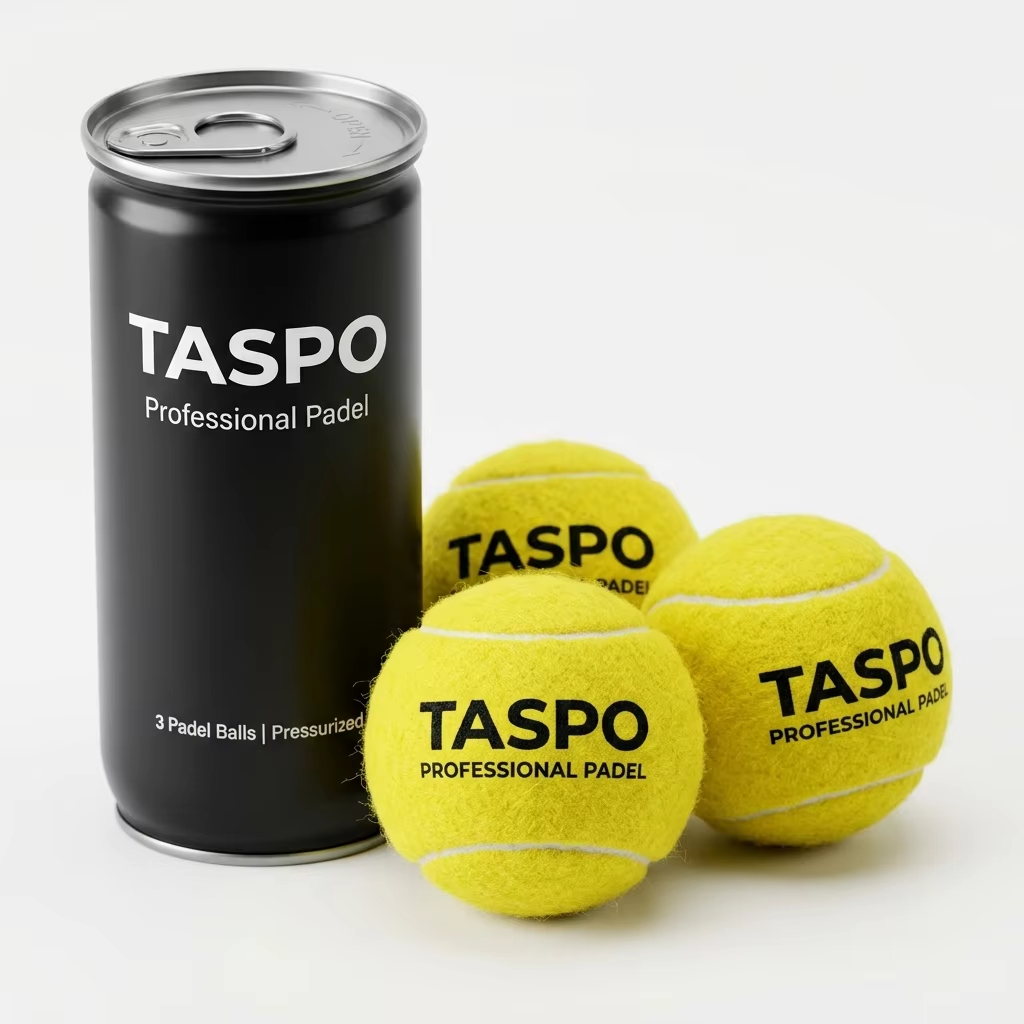
Examining the operational budgets of multi-court clubs and regional tour organizers proves that investing in premium spheres actually reduces total seasonal expenditure. Consider a premier eight-court indoor padel complex in Milan, Italy, that hosts weekly federation-ranked tournaments alongside corporate leagues. Two years ago, the management team attempted to cut overhead by purchasing a discounted container of generic needle-felt balls from a general sporting goods trader. The decision backfired immediately: tournament players demanded new cans after every single set because the seams cracked and the felt baldly wore down against the fibrillated sand turf, while coaching baskets had to be refilled twice a month. The following season, the club director overhauled their bulk padel ball sourcing strategy by switching to a tour-grade woven-felt sphere featuring fifty-seven percent natural wool and a reinforced high-retention rubber bladder. Despite a slightly higher cost per pressurized three-ball PET can, each sphere maintained regulation bounce across three full competitive matches before migrating into the coaching hoppers for another four weeks of training drills. Over two quarters, total ball consumption dropped by twenty-eight percent, player satisfaction scores hit an all-time high, and custom padel ball cans printed with local sponsor logos generated an entirely new stream of court-side advertising revenue.
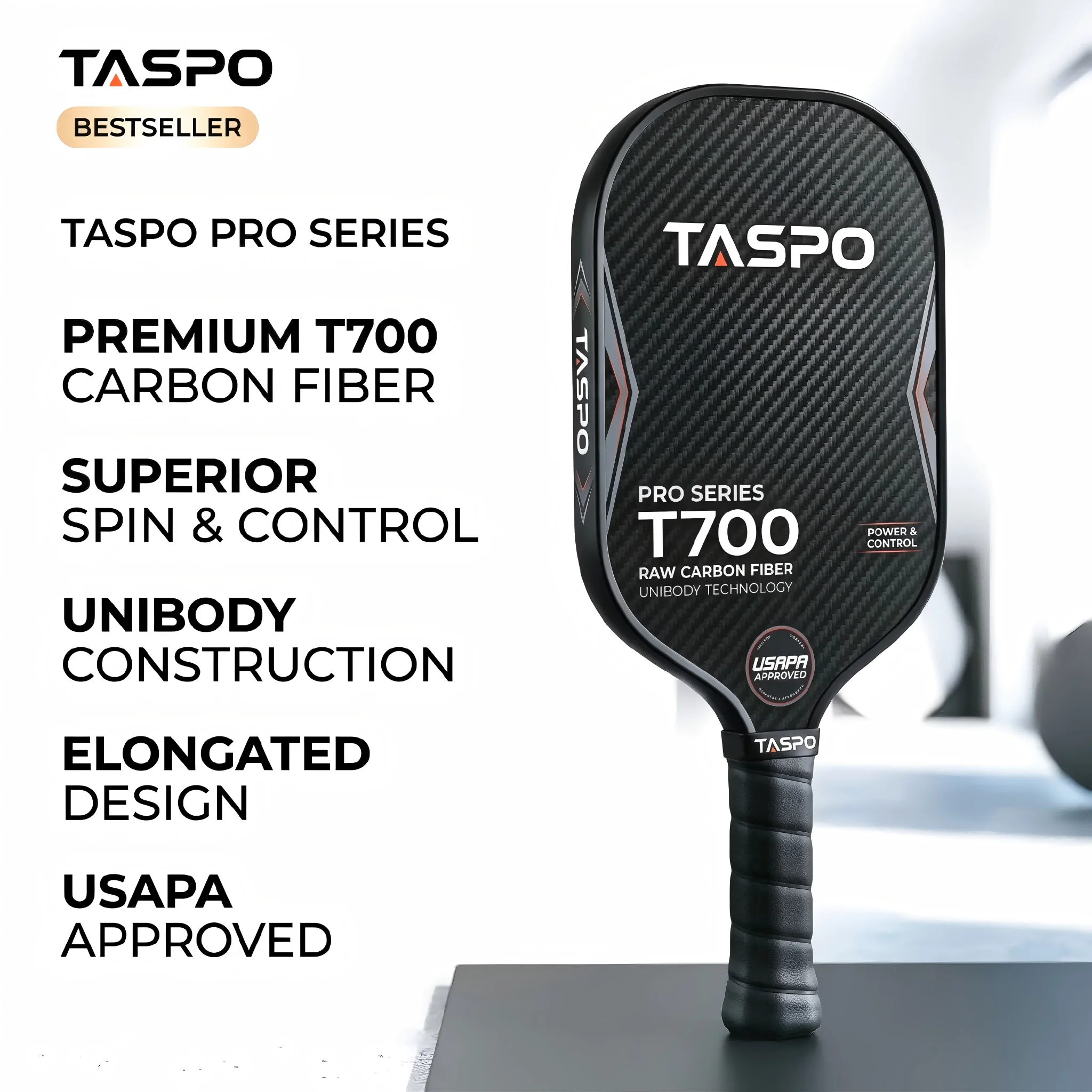
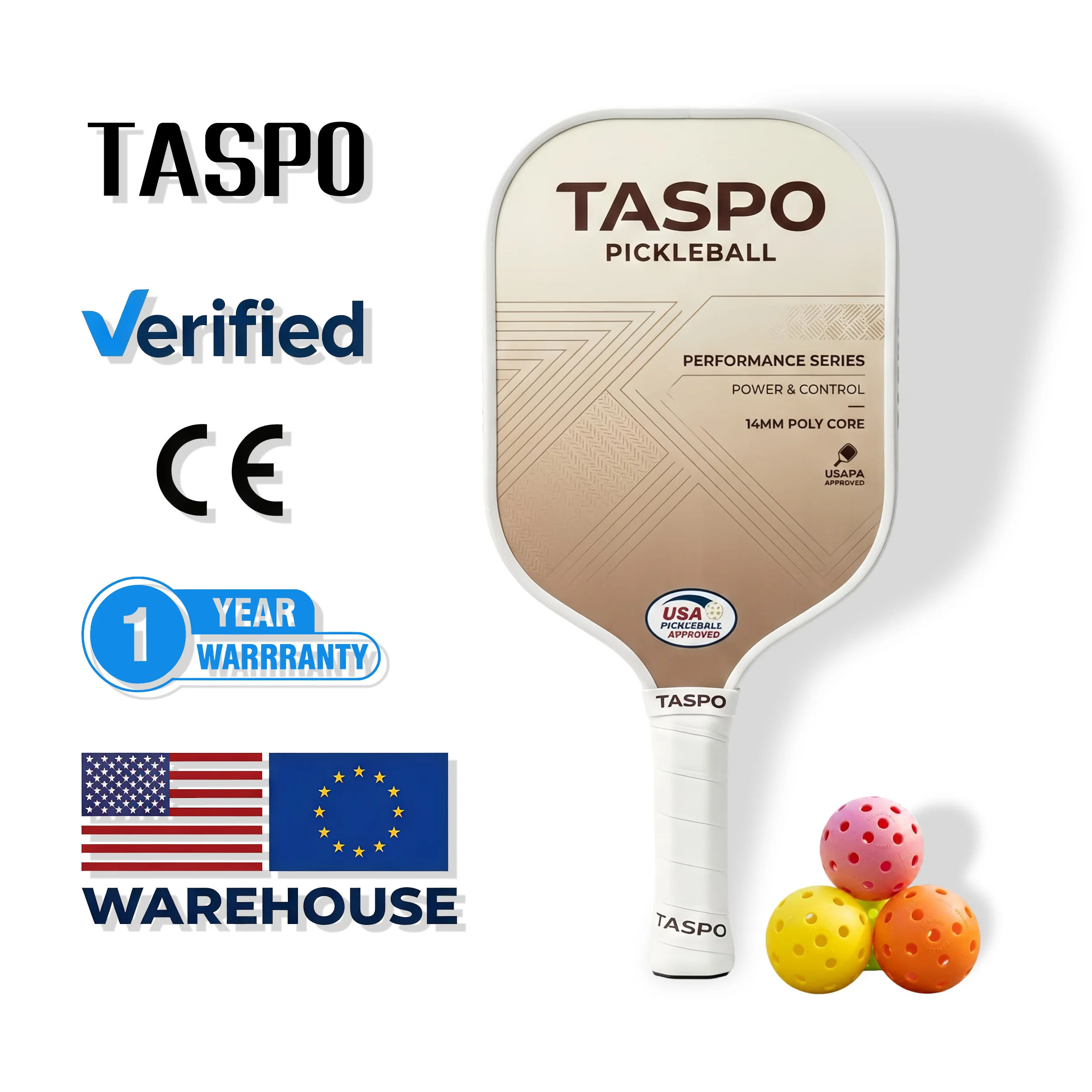
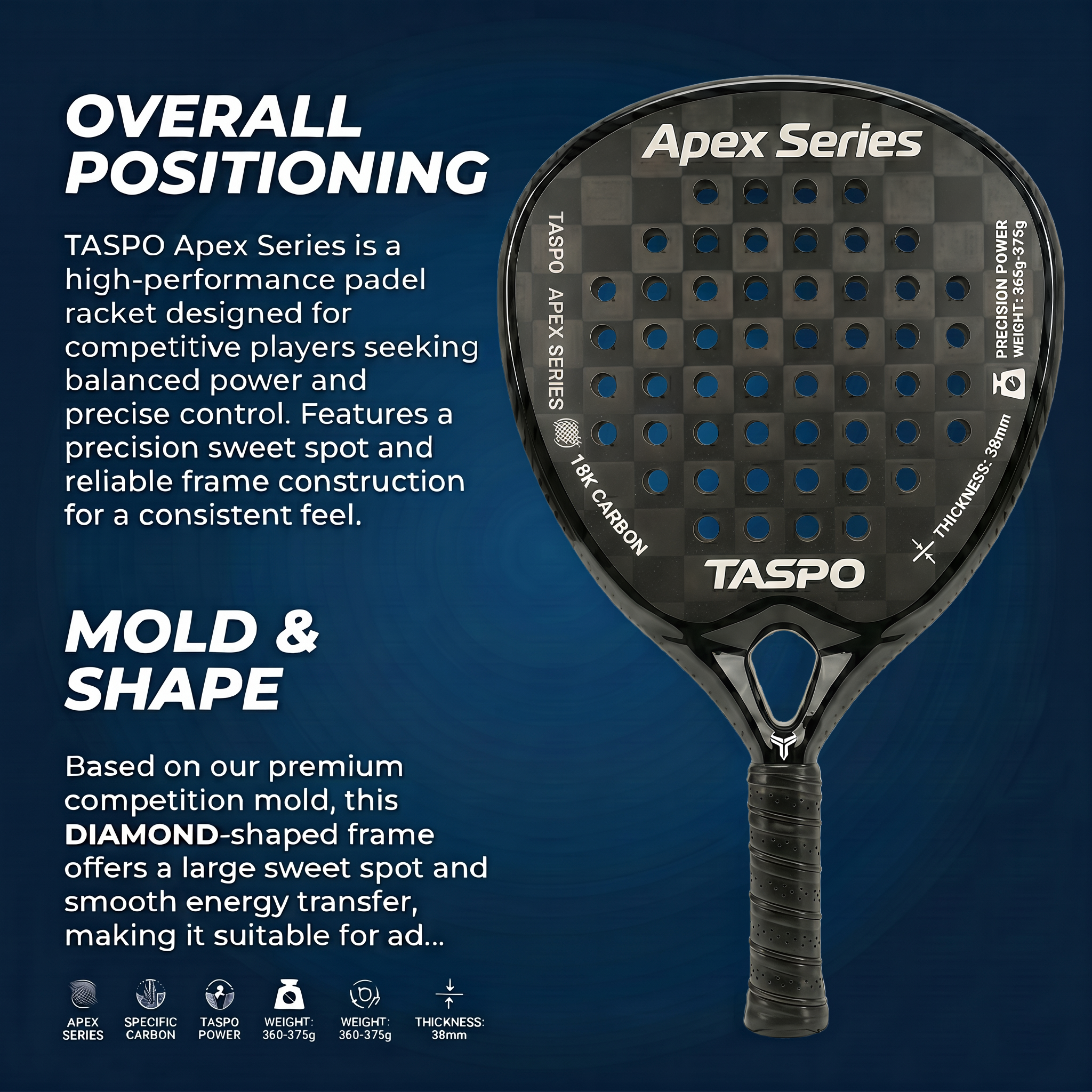
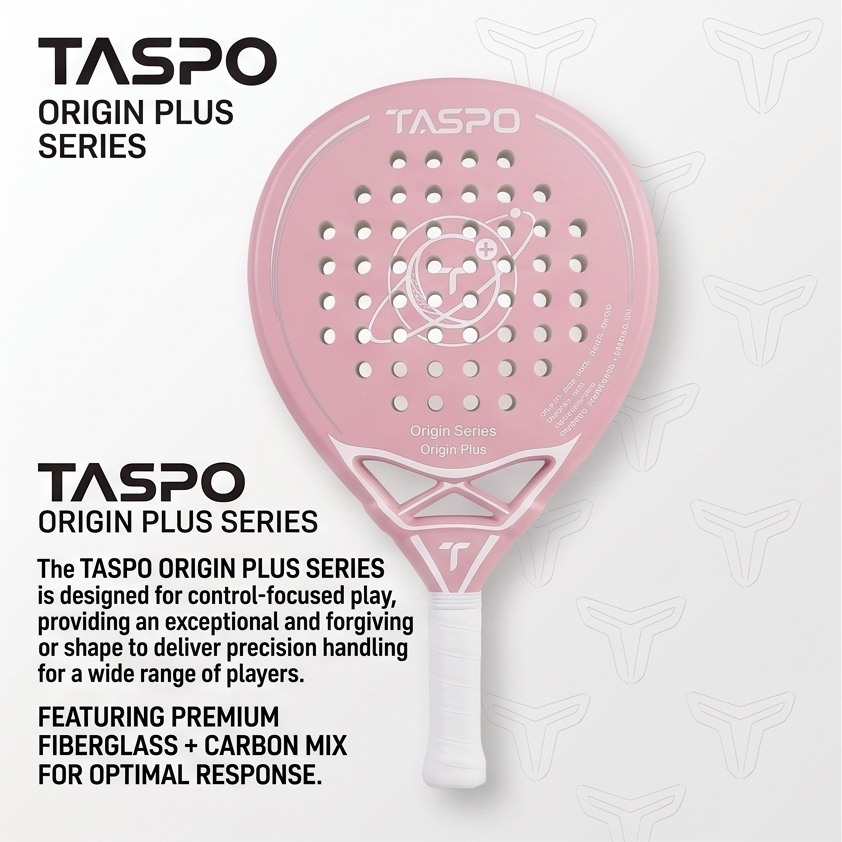
For private label sports brands, national padel federations, and large club networks, the biggest risk in bulk padel ball procurement is batch-to-batch inconsistency caused by middleman trading. When orders pass through brokers who split production across unverified workshops, buyers frequently receive containers where ten percent of the cans have leaked pressure during ocean transit due to faulty aluminum pull-tab seals or uneven rubber wall thickness. Partnering directly with an integrated, specialized factory is the only way to lock in tour-level reliability. This is where Taspo delivers unmatched engineering authority and commercial value to global racket sports partners. Equipped with automated rubber vulcanization presses, precision felt-cutting lasers, and twenty-four-hour barometric pressure stabilization chambers, Taspo subjects every professional padel ball production lot to strict ISO-compliant bounce, compression deformation, and seam-impact testing before canning. Whether a distributor needs high-visibility yellow spheres for televised tournaments, custom logo stamping on the felt, or eco-friendly pressurized PET cans designed for retail shelves, Taspo provides complete OEM customization. By consolidating tournament padel ball orders alongside high-modulus carbon padel rackets and court accessories at Taspo, brands secure factory-direct margins, bulletproof air-tightness, and world-class playability on every court surface.
 Hot News
2026-11-11
2026-11-11
2026-11-11
2026-11-11
2026-11-11
2026-11-11
 EN