Every shot in tennis, padel, and pickleball is dictated by a few square inches of physical contact between the human palm and the handle palette. Players routinely obsess over string tension, carbon fiber stiffness, and paddle core thickness, yet their on-court execution falls apart the moment their grip tape wears smooth. When a high-velocity ball strikes just two centimeters outside the center sweet spot, immense torsional force attempts to twist the racket frame inside the hand. If the handle surface lacks sufficient friction or cushioning, the face angle rotates by four to six degrees at impact, sending an easy approach shot sailing past the baseline. Worse still, an athlete subconsciously compensates for a slick handle by clenching their fingers twice as hard, which restricts wrist snap on serves and accelerates chronic forearm tendonitis. Learning how to choose a grip tape for racket sports solves these mechanical failures before they ruin a match. High-speed kinematics testing across racket academies demonstrates that wrapping a fresh, properly matched non slip grip tape improves shot directional consistency by twenty-five percent while significantly reducing palm blistering. For pro shop buyers and sporting goods brands, guiding players toward the right handle wrap is the most reliable way to elevate customer performance and drive recurring counter sales.
Confusion at the retail pegboard often starts when buyers mix up the two fundamental categories of handle wraps: base replacement grips and thin overgrips. Although both products belong to the broader grip tape racket sports family, their internal engineering and installation methods serve completely different structural roles. A base replacement grip tape is a thick, heavy-duty strip measuring between one point six and two point two millimeters in thickness, backed by a full-length pressure-sensitive adhesive tape. It is wrapped directly onto the bare octagonal wood, polyurethane foam, or carbon fiber handle shaft at the factory. Engineered with a high-density Ethylene Vinyl Acetate foam base bonded to a durable synthetic leather or thick polyurethane top layer, the replacement grip provides essential skeletal shock absorption and defines the true bevel geometry of the handle. An overgrip, by contrast, measures a razor-thin zero point four five to zero point seven millimeters, features adhesive only at the tapered starting tip, and stretches directly over the base grip. Because an absorbent tennis grip tape overwrap is thin and flexible, it preserves the underlying bevel edges for quick grip switches while acting as a moisture-wicking, high-friction disposable skin that players can swap out in sixty seconds between matches without altering the core handle architecture.

Once a buyer distinguishes between base cushions and top wraps, the next step involves matching surface geometry and chemical texture to the specific biomechanics of each court sport. Modern polymer processing allows factories to engineer custom grip tape lines in four distinct tactile profiles: smooth tacky, dry velvet, micro-perforated, and contoured keel ridge. In traditional tennis, where players constantly rotate their knuckles across the eight bevels to switch between an Eastern forehand, a Continental volley, and a Semi-Western topspin grip, a flat, un-contoured wrap is mandatory so raised ridges do not block hand transitions. Padel presents a completely different challenge: because players use a compact, stringless carbon paddle with a mandatory wrist safety cord and rarely change their Continental grip during fast glass-wall exchanges, contoured keel wraps and micro-perforated non slip grip tape designs dominate the market. The stitched foam ridge running spirally up a contour wrap locks the fingers into a mechanical groove that absorbs thirty percent more smash vibration and prevents the heavy paddle from slipping out of sweaty hands. Meanwhile, competitive pickleball players battling in rapid kitchen dink exchanges favor ultra-thin, high-tack wraps with embossed hexagonal textures that maximize raw finger sensitivity and instant paddle face feedback.
Looking at commercial distribution metrics proves that transforming handle wraps from a dusty utility item into a curated lifestyle product unlocks massive retail growth. Unlike carbon rackets that sit in a consumer bag for two years, handle wraps are fast-moving consumables that active athletes burn through every two to three weeks. Consider a regional racket sports distributor in North America supplying over two hundred pro shops and e-commerce boutiques. For years, their wholesale grip tape catalog consisted solely of plain black and white rolls packaged in generic plastic bags, generating sluggish reorder rates. Eighteen months ago, the merchandising director revamped the entire line by introducing a tiered custom grip tape program featuring seasonal pastel, neon, and metallic colorways coordinated with trending court apparel, alongside clear packaging icons indicating tackiness, absorption, and thickness ratings. They also supplied clubs with countertop acrylic fishbowls holding sixty-count individually wrapped rolls for impulse checkout purchases. Within three quarters, their retail partners reported that accessory attachment rates had doubled, while overall wholesale grip tape reorder volume surged by fifty-two percent. Players eagerly bought multiple three-packs just to color-match their paddles and wristbands, turning a two-dollar functional necessity into a high-margin fashion statement.
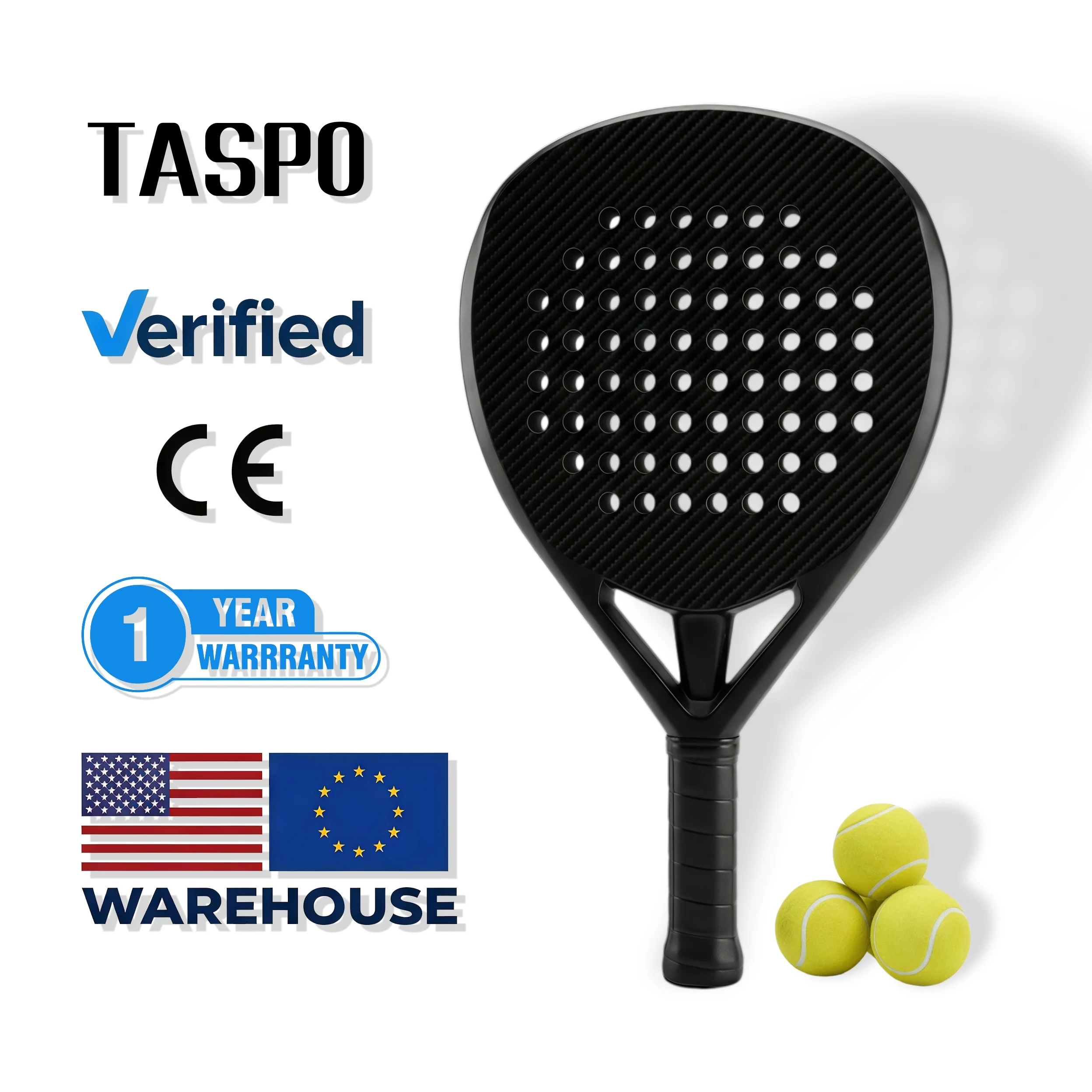
Building a loyal following in the consumable accessory market requires absolute chemical and dimensional consistency across every single production batch. When sports brands or distributors source through unverified trading companies, they frequently encounter severe quality drift: a roll that measured zero point six millimeters in spring suddenly arrives at zero point seven five millimeters in autumn, the polyurethane coating peels away from the felt backing after two games, or chemical odors ruin the unboxing experience. Partnering directly with an integrated manufacturer eliminates these supply chain hazards by locking in strict raw material formulas and precision calendering tolerances within zero point zero three millimeters. This is where Taspo provides an unmatched manufacturing foundation for global sports brands, club chains, and wholesale distributors. Renowned worldwide for producing tournament-grade carbon padel rackets, USAPA-approved pickleball paddles, and pressurized balls, Taspo operates advanced ISO-certified coating, embossing, and slitting lines dedicated to high-performance grip tape racket sports accessories. Whether a partner needs custom-embossed logos, hydro-wicking dry finishes, shock-absorbing EVA keel strips, or retail-ready blister cards and pro drums, Taspo delivers factory-direct scalability, rapid sampling, and tour-proven durability that keeps athletes locked into your brand.
 Hot News
2026-11-11
2026-11-11
2026-11-11
2026-11-11
2026-11-11
2026-11-11
 EN