Manufacturing five thousand tournament-grade carbon frames to exact millimeter tolerances is only half the battle for global sports brands and regional distributors; getting those frames across six thousand miles of ocean and highway without structural damage or bloated freight bills is where profit margins are truly won or lost. When an inexperienced exporter tosses loosely wrapped frames into thin single-wall cardboard boxes and stacks them on the top tier of a non-insulated shipping container, two supply chain disasters frequently strike before the vessel ever docks in Valencia, Rotterdam, or Buenos Aires. First, bottom cartons buckle under four-week stacking loads and rough forklift handling, cracking delicate carbon throat bridges. Second, fifty-five-degree-Celsius equatorial container heat warps internal ethylene-vinyl acetate foam cores and causes surface decals to blister. Learning how to optimize padel racket bulk shipping logistics protects both hardware integrity and landed unit profitability across every international shipment.
Because a thirty-eight-millimeter-thick frame is relatively light in mass—weighing roughly three hundred and sixty-five grams—yet occupies significant cubic volume, air couriers and less-than-container-load ocean consolidators always bill shipments by dimensional volumetric weight rather than actual scale weight. If a factory packs each custom padel racket inside an oversized individual retail box with three centimeters of empty dead air around the handle, the buyer ends up paying thousands of dollars to ship empty space across the ocean. Smart padel racket bulk shipping starts with interlocking master carton engineering. By alternating the orientation of twenty to twenty-four frames inside a master carton—nesting the slim octagonal handles of one row neatly between the wide twenty-six-centimeter heads of the adjacent row separated by die-cut E-flute corrugated dividers—logistics engineers shrink outer carton cubic volume by eighteen percent. Calibrating master carton exterior dimensions to interlock cleanly onto standard one-hundred-and-twenty-by-eighty-centimeter Euro pallets or forty-by-forty-eight-inch North American pallets with zero overhang maximizes floor-to-ceiling container cube utilization.
Composite sports equipment is sensitive to extreme thermal and humidity cycles during four-to-six-week ocean transits. When a steel forty-foot high-cube container sits on the top deck of a cargo vessel crossing the equator or waiting at a tropical transshipment port, internal air temperatures routinely spike past fifty-five degrees Celsius while nighttime cooling triggers condensation rain inside the container roof. If moisture and heat penetrate the packaging, soft EVA foam cores expand unevenly against the carbon fiber padel racket skins, shifting balance points and weakening epoxy bonds. Robust wholesale padel rackets packaging neutralizes this micro-climate hazard through a three-layer barrier system. First, each individual frame is sealed inside a breathable, anti-scratch poly-bag containing a food-grade silica gel desiccant packet that absorbs trapped humidity. Second, master cartons are fabricated from heavy-duty, five-ply double-wall BC-flute Kraft corrugated board rated above two hundred pounds per square inch on edge-crush tests. Third, lining full container walls with reflective thermal foil blankets and hanging calcium-chloride container desiccant poles keeps internal temperatures and dew points stable from factory dock to destination warehouse.
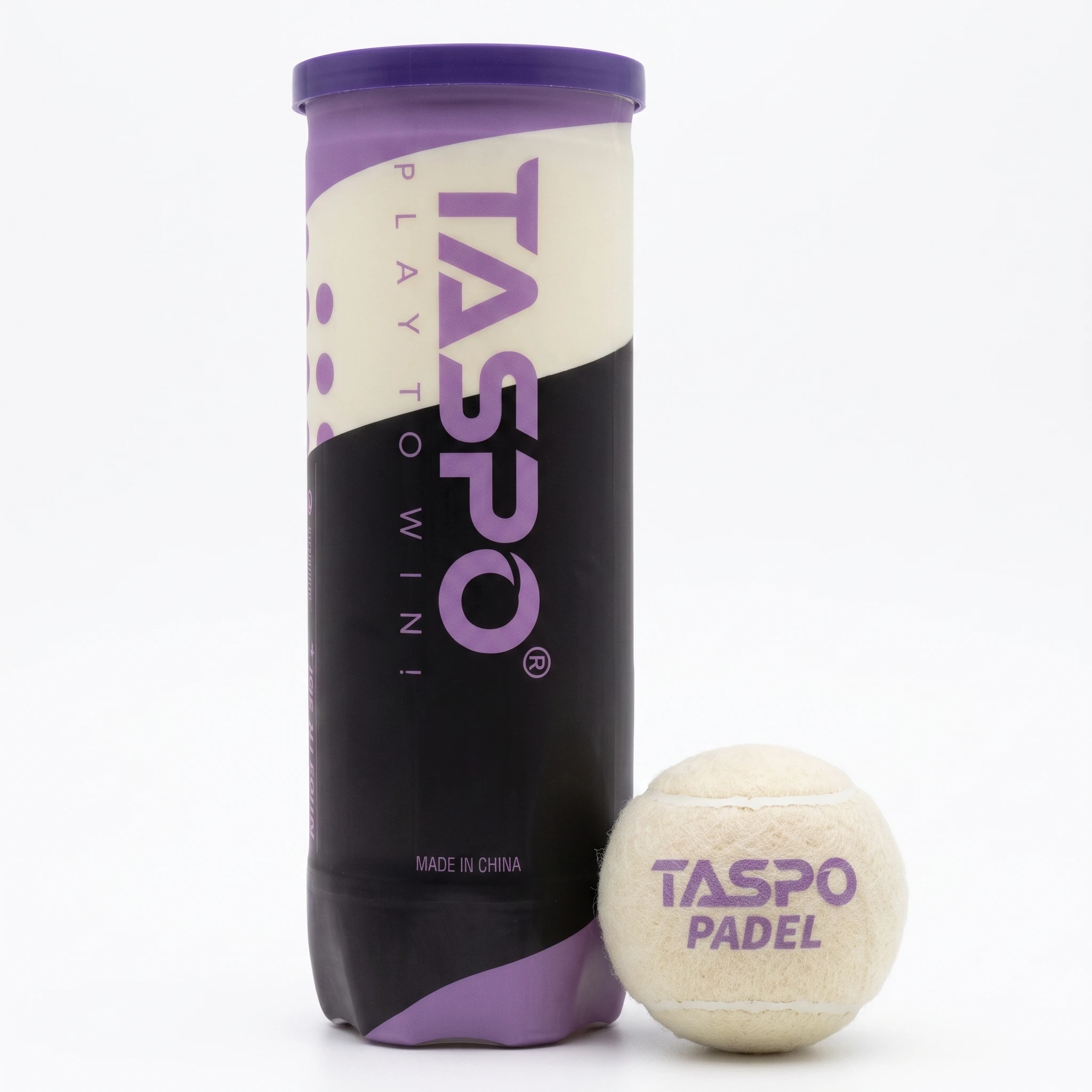
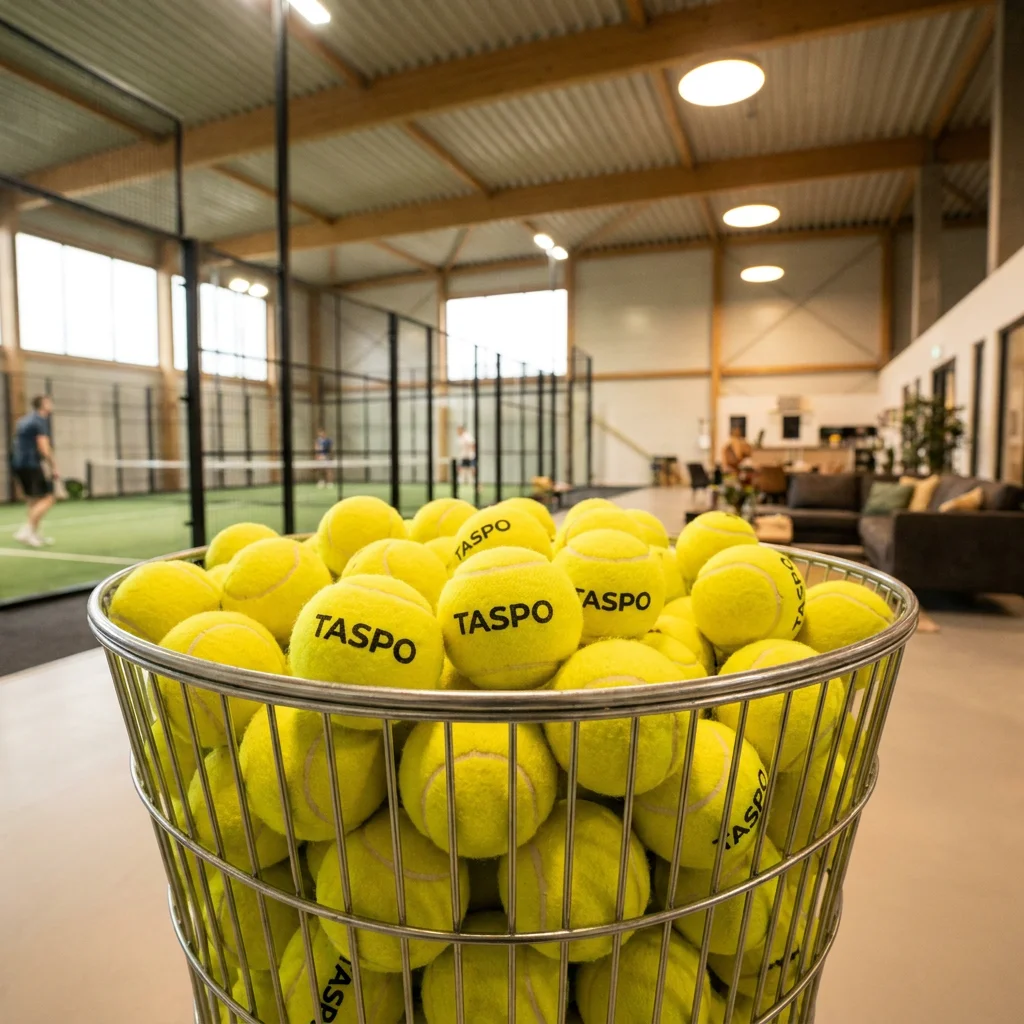
Real-world logistics audits from high-volume importers illustrate how disciplined carton and container engineering directly boosts net margins. Last year, a European sporting goods distributor importing twelve thousand units per quarter into Spain and Sweden audited their landed freight expenses after suffering a three point four percent transit damage rate on LCL pallet shipments. Partnering with their manufacturer's packaging engineers, the distributor redesigned their padel racket bulk shipping configuration: switching to interlocking twenty-unit double-wall master cartons, requesting mid-deck below-waterline container stowage away from direct solar radiation, and consolidating dense, low-volume consumables—such as cartons of pressurized padel ball tubes, tacky overgrips, and athletic sweatbands—into the remaining weight allowance of their twenty-foot and forty-foot containers. Over the following three quarters, landed ocean freight cost per frame dropped by twenty-three percent, while transit crush and thermal warping claims fell to zero percent across thirty-six thousand delivered rackets.
Preventing warehouse bottlenecks at the destination port requires validating packaging strength in the lab and automating customs and inventory documentation before the container doors are sealed. Reputable padel racket manufacturer facilities subject packed master cartons to International Safe Transit Association 3A testing protocols: dropping fully loaded boxes ten times from seventy-six centimeters onto steel plates across corners, edges, and flat faces, followed by two hours of simulated truck-bed vibration testing. On the exterior of every carton, printing scannable GS1-compliant UPC or EAN-13 barcodes, model SKU matrices, gross-to-net weight tables, and country-of-origin markings allows third-party logistics warehouses to check in three thousand frames in thirty minutes without slicing open boxes. Simultaneously, preparing accurate commercial invoices, packing lists, certificates of origin, and harmonized system tariff classifications (specifically HS heading 9506.59 for racket sports equipment) guarantees smooth, delay-free customs clearance.
Scaling an international racket brand requires a manufacturing partner that treats export packaging and container logistics with the same engineering precision as carbon fiber molding. Taspo operates as a premier B2B padel racket manufacturer backed by over one hundred and thirty experienced engineers and self-owned standardized production bases. Specializing in aerospace-grade 3K, 12K, and 18K carbon fiber prepreg autoclave curing, resin transfer molding, and five-axis CNC drilling, Taspo provides comprehensive one-stop OEM and ODM solutions for custom padel racket collections alongside pressurized padel balls, tacky overgrips, protective frame tapes, sweatbands, and thermal court bags. Every wholesale padel rackets order leaving Taspo passes through seven strict quality inspection gates—concluding with ISTA carton drop verification, desiccant moisture sealing, and optimized container loading plans under FOB, CIF, or DDP incoterms. With custom prototypes ready in seven to fifteen working days and twenty-four-hour logistics and technical support, Taspo ensures global brands receive flawless equipment on time, every time.
 Hot News
2026-11-20
2026-11-20
2026-11-20
2026-11-20
2026-11-20
2026-11-20
 EN