Every year, global tournaments, coaching academies, and municipal players discard more than three hundred million used balls alongside roughly one hundred million single-use plastic canisters, creating over twenty thousand metric tons of non-biodegradable landfill waste. Because traditional spheres combine sulfur-vulcanized synthetic rubber with petroleum-based nylon felt and ship inside virgin plastic tubes, they take centuries to decompose. Today, sustainability-conscious athletes, municipal park boards, and European club federations are demanding greener alternatives from the brands they support. Knowing where to source eco friendly tennis ball products allows sporting goods labels and regional distributors to lead this environmental transition without sacrificing a single kilometer per hour of court speed. By partnering with progressive manufacturers that re-engineer the rubber core, textile felt, and pressurized packaging simultaneously, brands can deliver tournament-ready performance with a dramatically smaller carbon footprint.
Reinventing a sustainable tennis ball starts inside the elastomer compounding mixer, where traditional factories rely heavily on petroleum-derived synthetic butadiene rubber. Forward-thinking eco friendly tennis ball manufacturers replace virgin petrochemical polymers with two sustainable material streams: Forest Stewardship Council certified bio-based natural rubber latex tapped from sustainably managed plantations, and micronized recycled rubber crumb reclaimed from post-consumer court balls. Incorporating fifteen to twenty-five percent ultra-fine devulcanized recycled rubber powder into a high-purity natural latex base reduces raw material carbon emissions by nearly thirty percent. Crucially, when cured inside precision compression molds and lined with halogen-free gas barriers, this eco-compounded core still holds fourteen pounds per square inch of internal pressure and meets official International Tennis Federation weight (fifty-six to fifty-nine point four grams) and granite drop-rebound (one hundred and thirty-five to one hundred and forty-seven centimeters) benchmarks.
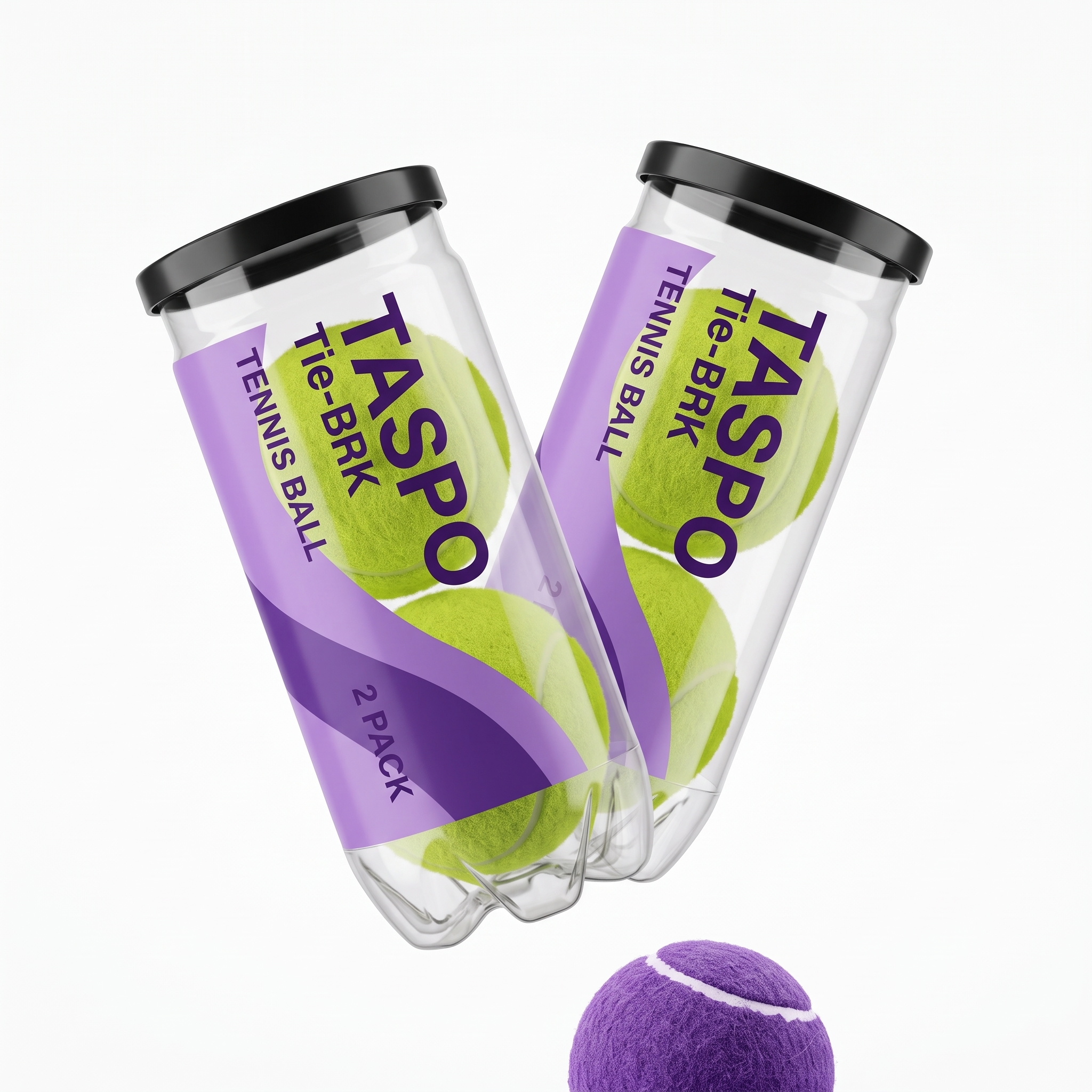
The exterior two-millimeter textile skin offers an equally impactful opportunity to eliminate virgin fossil-fuel plastics and toxic chemical runoffs. Conventional extra-duty felt weaves virgin New Zealand wool together with virgin nylon filaments derived from crude oil and coats the fabric in fluorinated water-repellent chemicals. By contrast, a certified eco friendly tennis ball utilizes interlocking woven felt crafted from ethically sourced, non-mulesed organic wool blended with Global Recycled Standard certified recycled polyethylene terephthalate yarns spun from reclaimed ocean and post-consumer plastic bottles. Furthermore, progressive textile mills dye the optic yellow felt using OEKO-TEX certified azo-free reactive colorants and replace persistent fluorocarbons with plant-based hydrophobic wax or fluoro-free silicone treatments. Laboratory wind-tunnel and Martindale abrasion trials confirm that rPET-reinforced organic wool felt matches the exact aerodynamic drag and nine-game hard-court wear resistance of traditional nylon blends.
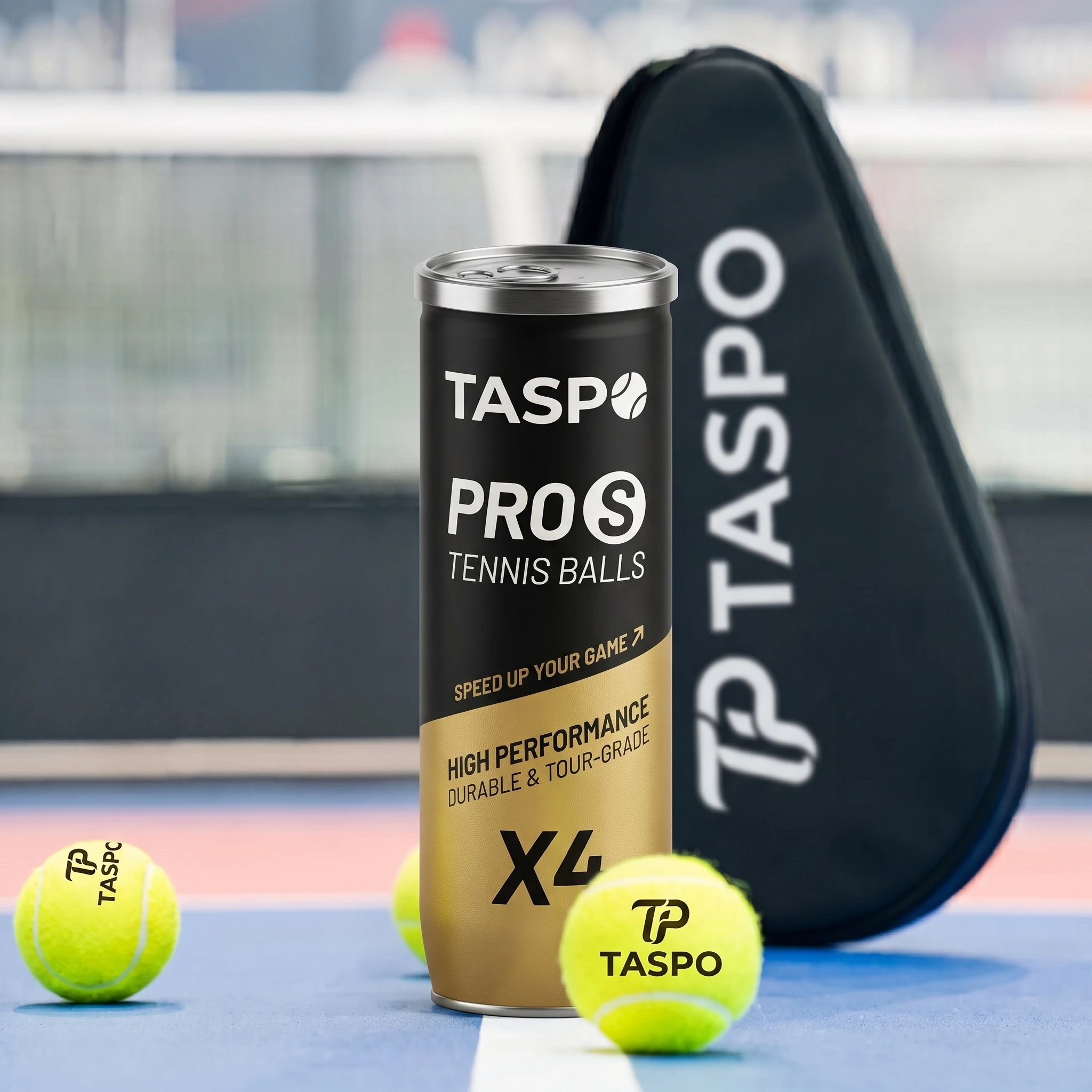
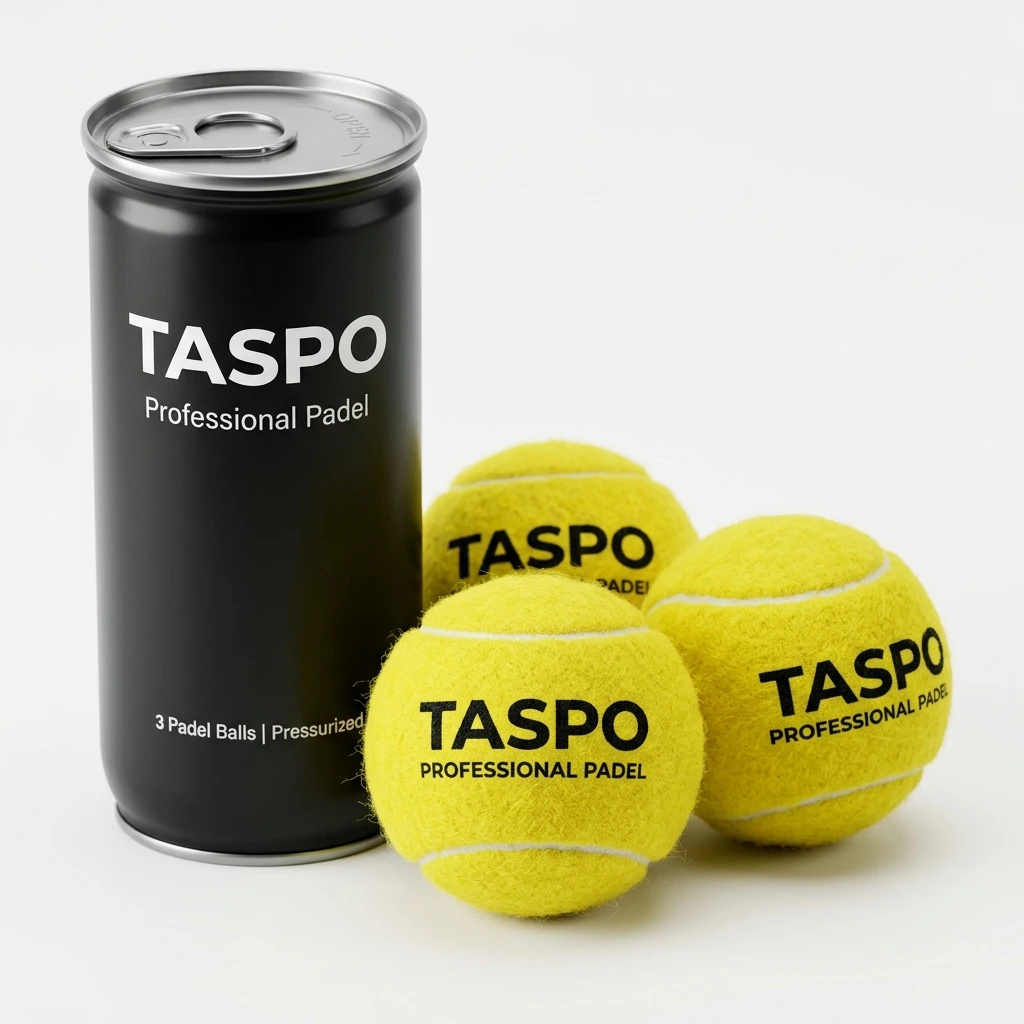
Solving the environmental puzzle also requires redesigning the pressurized container that keeps spheres fresh during ocean transit and warehouse storage. For decades, brands packed three balls inside virgin PET plastic tubes fitted with steel rims and aluminum lids—a mixed-material package that municipal recycling plants frequently reject. Innovative wholesale eco tennis balls suppliers now offer three circular packaging solutions: hundred-percent post-consumer recycled PET tubes with monomaterial peel-off seals, infinitely recyclable pressurized aluminum cans, and next-generation pressurized kraft paperboard canisters lined with ultra-thin bio-barrier films. Last season, a coalition of twenty-two green-certified clubs in Germany and the Netherlands switched their league inventory to a recycled-core sustainable tennis ball packed in recyclable aluminum and paperboard tubes. Across six months of match play, the clubs reduced their facility plastic waste volume by sixty-eight percent while pro shop sell-through on the eco-labeled cans outperformed legacy brands by forty-four percent.
As demand for green sporting goods accelerates, B2B buyers must stay vigilant against unverified "greenwashing" claims from trading brokers. Putting a brown kraft paper label on a standard petrochemical canister does not make a product sustainable, and using poorly processed recycled rubber chunks will cause the core to crack or bounce erratically on hard courts. When vetting where to source eco friendly tennis ball products, procurement directors should request chain-of-custody documentation—including GRS certificates for recycled polyester felt fibers and FSC certifications for natural rubber plantations—alongside full laboratory Stevens compression deflection reports. Under an eight-point-one-six-five-kilogram load, forward deformation on an eco-core must remain strictly between zero point five six and zero point seven four centimeters across all three axes, proving that environmental responsibility never comes at the expense of tournament playability.
Building a credible, eco-conscious racket sports line requires partnering directly with a manufacturer that integrates sustainable material science into standardized industrial production. Taspo operates as a premier B2B sports equipment manufacturer backed by over one hundred and thirty experienced engineers and self-owned standardized production bases. Alongside crafting tour-grade carbon fiber tennis rackets, pickleball paddles, and padel frames, Taspo provides comprehensive one-stop OEM and ODM solutions for custom eco friendly tennis ball collections, pressureless recycled training balls, rPET court bags, organic cotton moisture-wicking sweatbands, and solvent-free overgrips. Brand partners can customize bio-based and recycled rubber core ratios, rPET-wool extra-duty felt weaves, azo-free optic dyes, and recyclable aluminum, rPET, or kraft paperboard canisters. Every sustainable tennis ball batch leaving Taspo passes through seven strict quality inspection gates verifying three-axis compression uniformity, granite drop-tower bounce accuracy, and vacuum canister seal integrity. With custom prototypes ready in seven to fifteen working days and twenty-four-hour client support, Taspo empowers global brands to lead the green court movement.
 Hot News
2026-11-20
2026-11-20
2026-11-20
2026-11-20
2026-11-20
2026-11-20
 EN