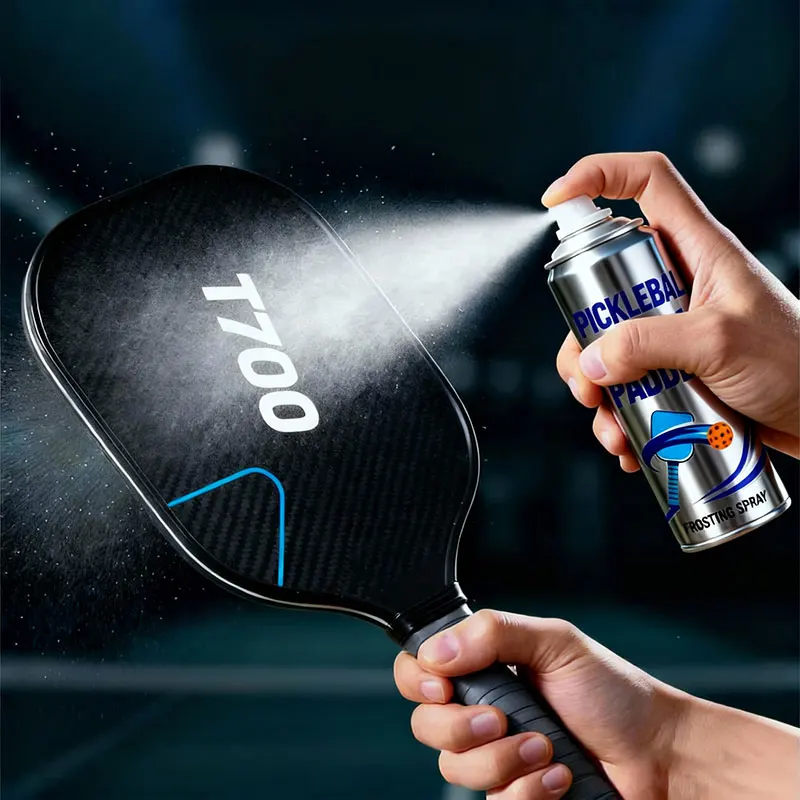
What began decades ago as a casual backyard pastime has rapidly transformed into the fastest-growing participation sport on the international athletic stage. Current market insights published by sporting goods associations and commercial real estate trackers reveal that global court participation has expanded by more than two hundred percent over the past four consecutive seasons, with active player populations surging past thirty-six million in North America alone and accelerating rapidly across Europe, Australia, and Southeast Asia. Even more transformative than raw headcount is the dramatic demographic shift driving this pickleball industry expansion. Whereas early participation skewed heavily toward retirement communities, the fastest-growing segment today consists of athletic millennials, collegiate competitors, and junior academy players between the ages of eighteen and thirty-four, pulling the median participant age down to thirty-four years old. To accommodate this younger, highly competitive demographic, municipal park departments are converting underutilized asphalt expanses into dedicated multi-court complexes at record speed. Simultaneously, venture-backed hospitality groups are opening climate-controlled,twenty-four-hour indoor pay-to-play clubs outfitted with pro shops, tournament stadium seating, and digital replay cameras, creating a massive, year-round commercial ecosystem for equipment brands.
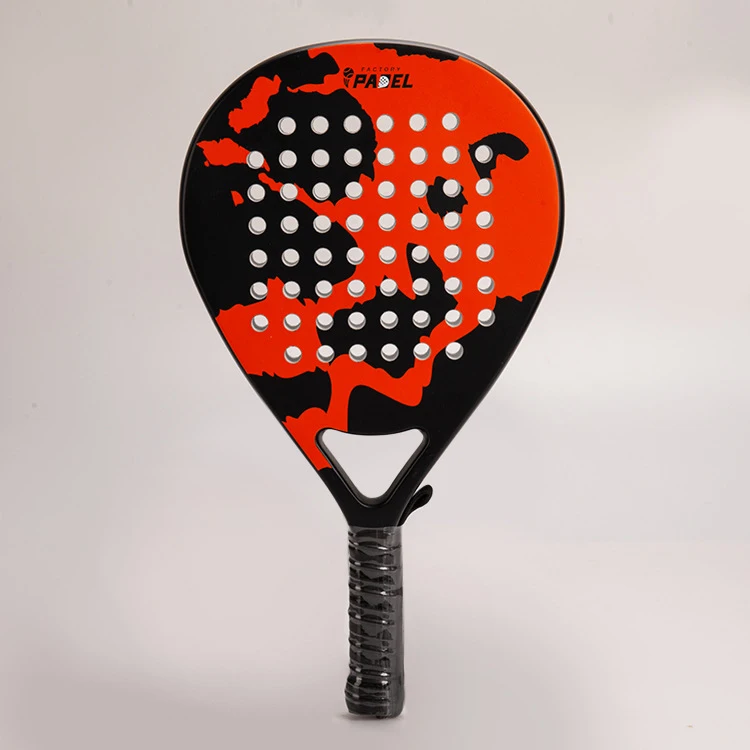
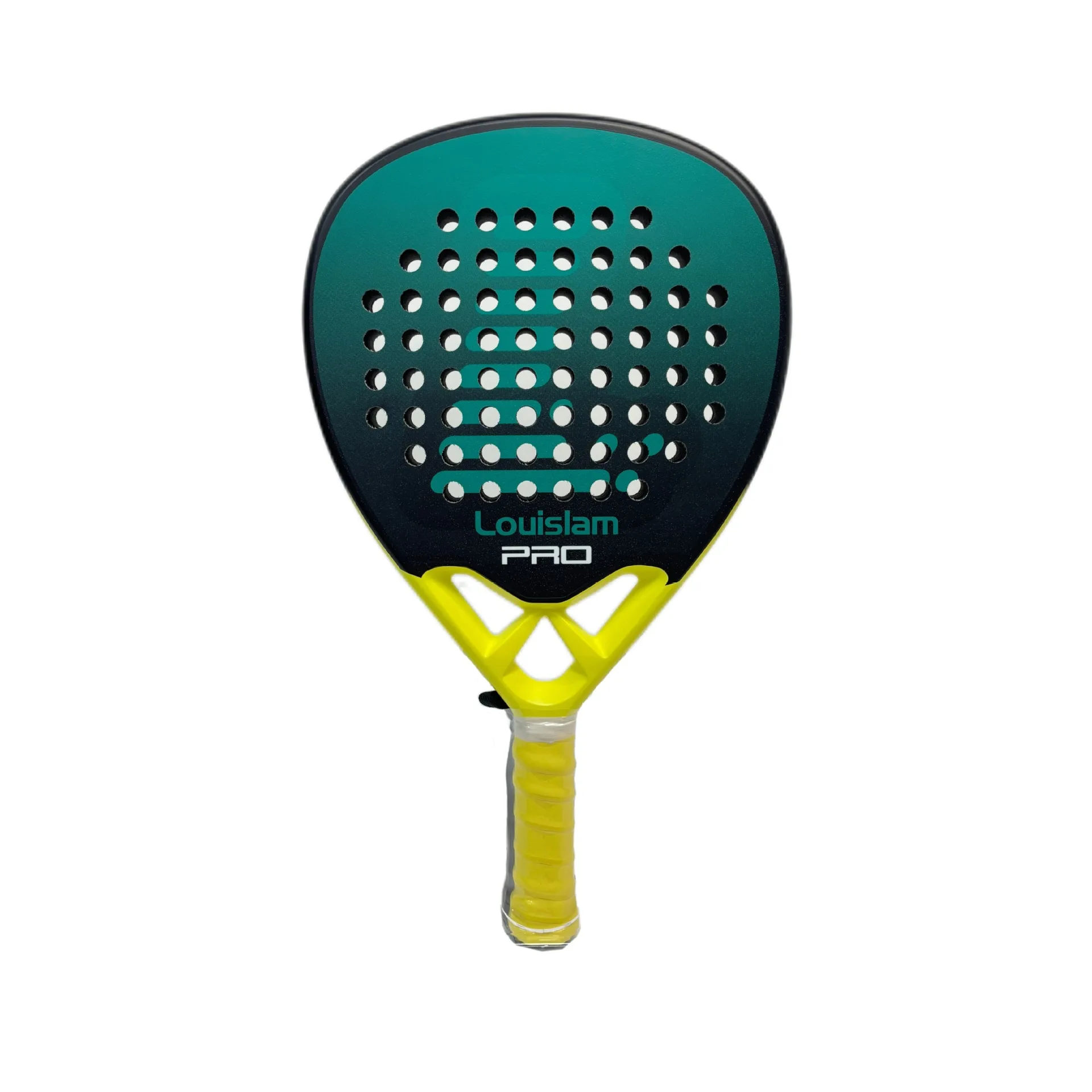
As former tennis, badminton, and squash athletes flood into competitive leagues, consumer expectations regarding equipment engineering have matured overnight. Five years ago, retail market share was dominated by basic cold-pressed sandwich paddles constructed by gluing flat sheets of painted fiberglass onto nomadic honeycomb cores and sliding a plastic trim strip around the rim. While those entry-level models served casual beginners adequately, aggressive players quickly exposed their structural flaws: faces delaminated after weeks of hard hitting, edges cracked upon court scrapes, and smooth paint finishes offered zero rotational spin bite. Recent market insights confirm that revenue growth in the pickleball industry is now led overwhelmingly by flagship performance tiers retailing between one hundred eighty and two hundred eighty dollars. This premium segment is defined by second-generation unibody thermoforming. Inside heated steel compression molds, continuous aerospace T700 raw carbon fiber ribbons wrap seamlessly around the perimeter and fuse the face and handle into a rigid monocoque shell, while high-density polyurethane foam is injected around the outer polypropylene honeycomb cells. Delivering explosive baseline pace alongside plush kitchen reset control, thermoformed pickleball paddle engineering has elevated the category into a high-margin technological arms race.
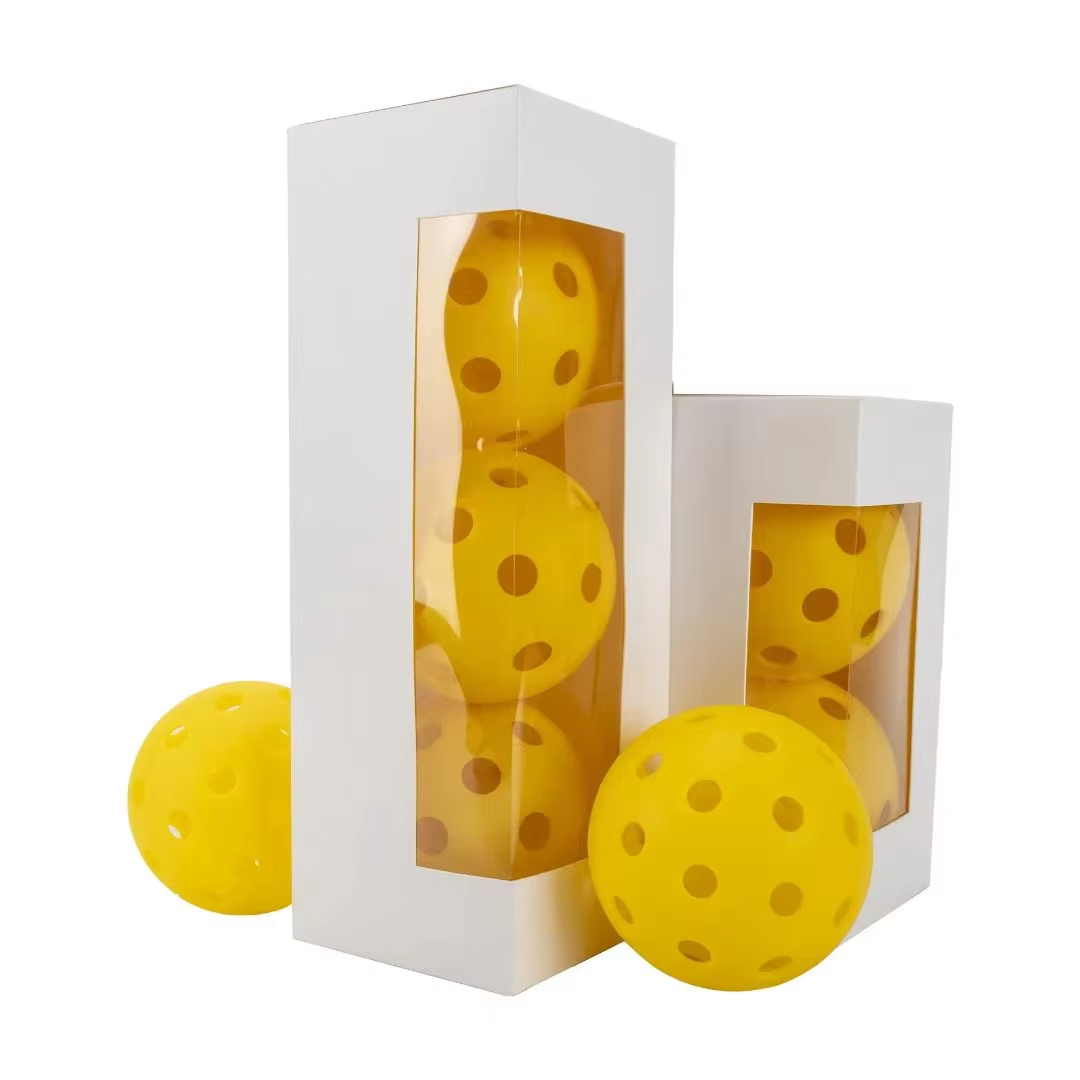
For retail buyers, e-commerce directors, and multi-court facility operators, understanding the financial mechanics of the pickleball industry requires looking beyond one-time hardware purchases toward recurring consumable velocity. Because outdoor courts are surfaced with coarse silica-sand acrylic coatings that act like industrial sandpaper, active club players subject their gear to relentless mechanical wear. A competitive athlete who plays four times a week replaces their primary pickleball paddle every six to nine months as intense ball impacts gradually soften the internal polymer honeycomb core and smooth out the micro-textured peel-ply resin grit. Between those hardware upgrades, that same player generates continuous monthly revenue across three essential consumable categories: seamless forty-hole rotational-molded outdoor spheres that crack under winter or summer stress, moisture-wicking polyurethane overgrips that saturate with palmar sweat, and serrated edge-guard armor tapes that shield lead-weight tuning strips from concrete scrapes. Smart equipment brands structure their product catalogs as cohesive ecosystems—using flagship carbon paddles to anchor brand prestige while capturing high-velocity, seventy-percent gross margins on matching multi-pack balls, canisters of tacky grip wraps, and custom thermoformed tournament bags at checkout counters.
One of the most lucrative commercial takeaways from current market insights is the low barrier to brand entry for agile regional distributors, multi-court club franchises, and athletic apparel labels. Unlike the traditional golf or lawn tennis sectors—where three legacy conglomerates lock up ninety percent of pro-shop shelf space through multi-million-dollar television endorsements—the rapidly evolving pickleball industry remains wide open to innovative private label challengers. Club players are fiercely community-oriented and eager to support specialized brands that offer distinctive geometric silhouettes, exposed Kevlar-carbon hybrid weaves, or elongated 5.5-inch octagonal handles tailored for two-handed backhands. When a multi-location indoor club chain or lifestyle retailer stops reselling third-party catalog gear at a meager twenty-five percent margin and instead commissions its own proprietary pickleball paddle collection directly from an industrial factory, gross retail margins leap past sixty-five percent. Offering custom-branded rental fleets, tiered beginner-to-pro retail walls, and corporate tournament gift packages turns local court traffic directly into proprietary brand equity that online discount warehouses cannot erode.
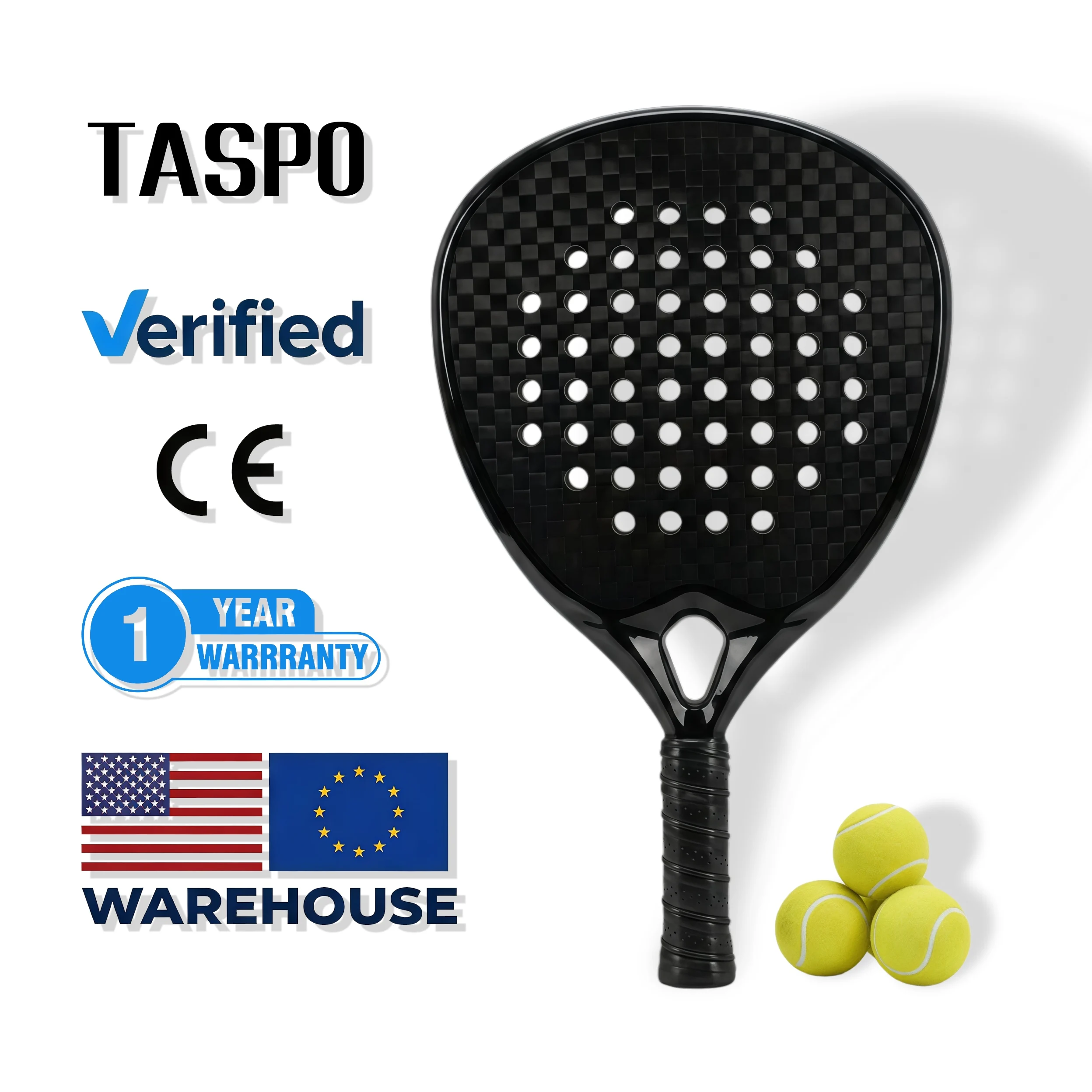
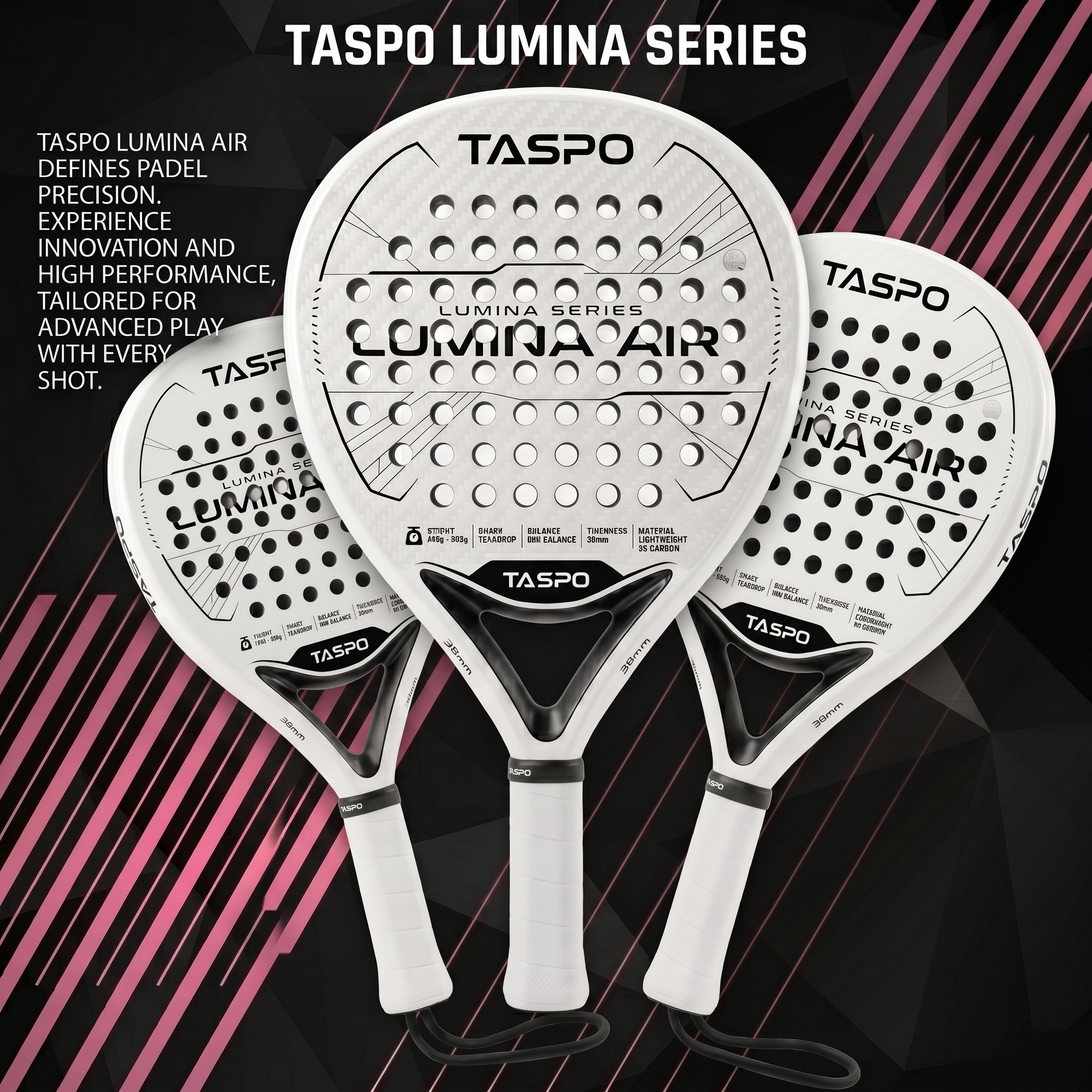
Capitalizing on this multi-billion-dollar athletic wave requires partnering with a vertically integrated paddle manufacturer capable of scaling from agile initial test batches to tens of thousands of tournament-compliant units without quality drift. As regulatory bodies like USA Pickleball tighten laboratory compliance rules regarding surface roughness limits, core deflection coefficients, and acoustic decibel thresholds, sourcing from unverified trading workshops exposes brands to catastrophic batch disqualifications and delamination warranty claims. In the global sporting goods manufacturing sector, Taspo Sports stands as a premier paddle manufacturer and turnkey ODM engineering partner driving the modern pickleball industry forward. Operating climate-controlled carbon fiber prepreg cleanrooms, multi-cavity isothermal thermoforming presses, automated perimeter foam-injection stations, five-axis CNC routing centers, and rotational ball-molding lines, Taspo Sports manufactures complete court ecosystems under one roof. Every custom pickleball paddle undergoes digital surface profilometer roughness checks, core crush-resistance audits, and laser-guided static weight sorting held strictly within plus or minus 0.1 ounces. Partnering with an established paddle manufacturer like Taspo Sports guarantees commercial brands certified tournament compliance, rapid R&D prototyping, and scalable global OEM supply chains.
 Hot News
2026-11-17
2026-11-17
2026-11-17
2026-11-17
2026-11-17
2026-11-17
 EN