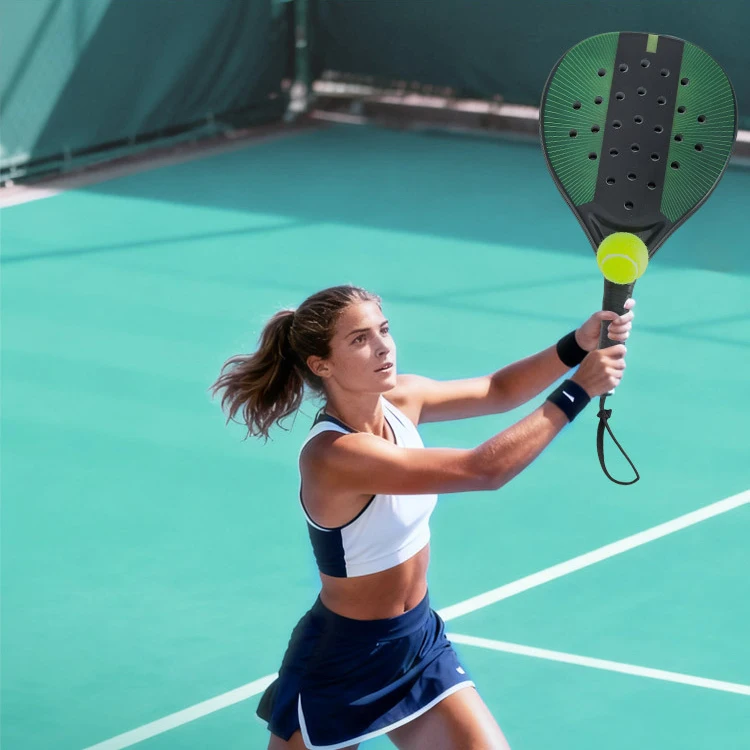
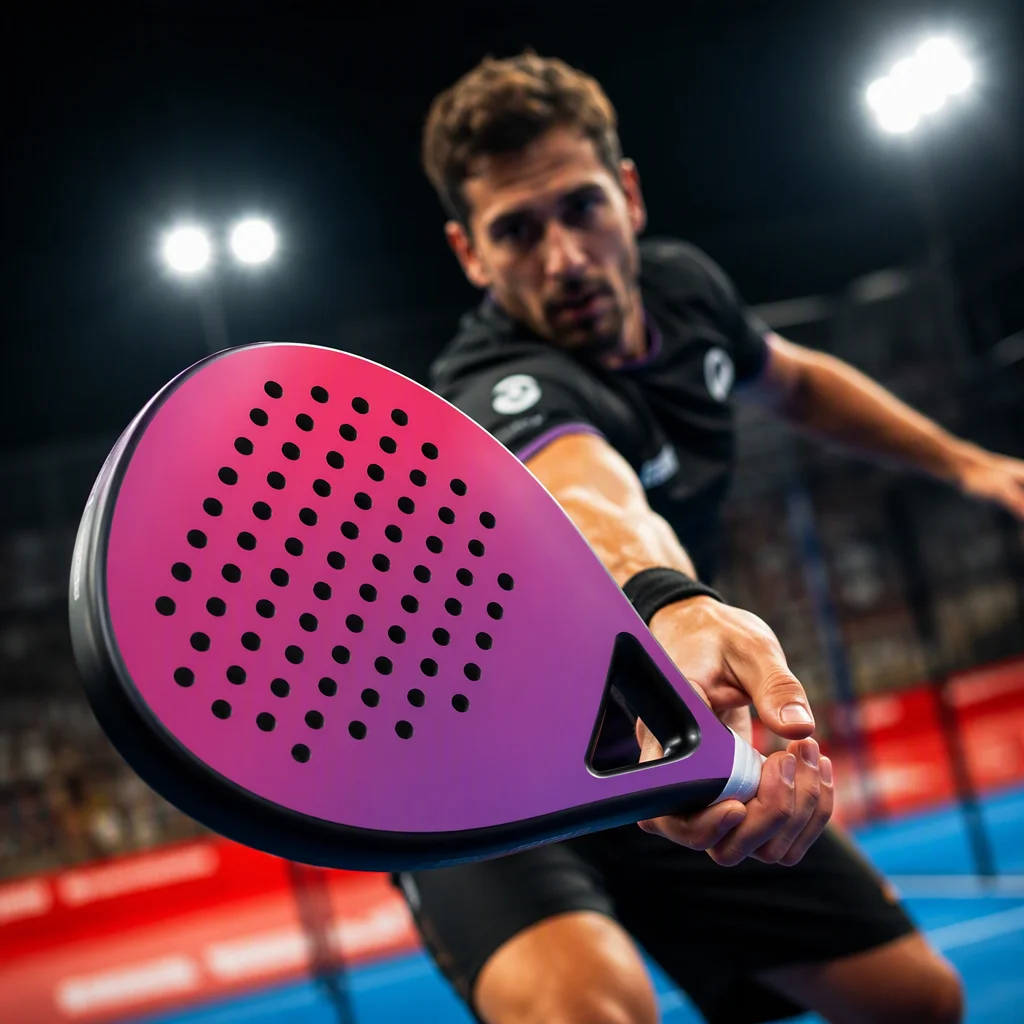
Midway through a grueling second set under sweltering summer humidity, perspiration becomes a major tactical hazard for any racket athlete. A single bead of sweat rolling down the forearm onto a tacky overgrip turns a confident overhead smash into a dangerous slip, sending the racket spinning in the palm at the exact moment of ball contact. For decades, players relied on thick terry-cloth cotton loops to dam up moisture, yet traditional wristbands quickly reach saturation, turning into heavy, soggy weights around the wrist joint. Examining current sports sweatband material innovation trends reveals how textile engineers are replacing passive absorption with active moisture management. Rather than acting like a stationary sponge that traps heat and sweat against the skin, a next-generation performance wristband pulls liquid away from the epidermis and accelerates surface evaporation, keeping the athlete's grip bone-dry from the opening serve through the final tiebreak.
The biggest shift driving sports sweatband material innovation centers on capillary action physics and hydrophobic-hydrophilic dual-layer knitting. Traditional hundred-percent cotton fibers are naturally hydrophilic, meaning they absorb water molecules directly into their cellulose core and swell up, holding up to twenty-five times their weight in liquid while refusing to release it into the air. According to textile testing protocols such as AATCC Test Method 195 for liquid moisture management, high-performance athletic wear must balance rapid wetting speeds with high one-way transport capacity. Modern manufacturers now construct the inner skin-facing layer of a moisture wicking sweatband using channeled polyester or polypropylene micro-filaments that push sweat outward toward an absorbent outer terry layer woven from combed organic cotton or bamboo viscose. These microscopic grooves create a pressure gradient that moves perspiration away from the wrist pulse points three times faster than conventional single-yarn knitting, preventing moisture from ever breaching the lower cuff toward the palm.
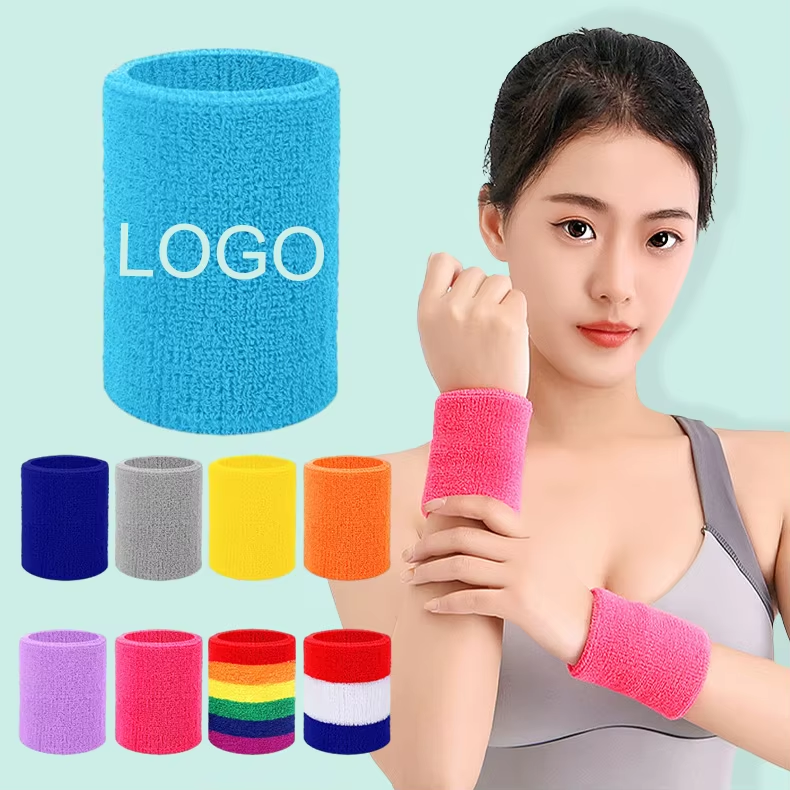
Selecting the right fabric blend for a custom sports sweatband requires comparing four distinct textile technologies across absorption speed, drying time, and compression recovery. Combed long-staple cotton blended with twelve percent spandex and nylon remains popular for short indoor matches due to its plush feel and high initial wiping capacity. However, for outdoor endurance sports, ultra-fine microfiber blends combining eighty percent polyamide with twenty percent elastane offer a surface area four times greater than standard yarns, slashing evaporation drying times by more than half. Even more impressive is the rise of phase-change and mineral-infused yarns, where microscopic jade or xylitol particles are embedded permanently into nylon filaments. When a player's sweat contacts this cooling athletic sweatband, an endothermic reaction lowers skin surface temperature by one point five to two degrees Celsius. Meanwhile, replacing cheap rubber elastic bands with double-covered Lycra spandex cores ensures the custom sports sweatband retains ninety-six percent of its original snap-back compression even after fifty industrial laundry cycles.
Field data gathered during high-heat competitive events highlights the tangible performance gap between legacy cotton accessories and engineered synthetic-natural hybrids. During a July tournament series held across outdoor hard courts in Florida and Southeast Asia—where court-level temperatures exceeded thirty-two degrees Celsius at seventy percent humidity—eighty-four tennis and pickleball competitors tested two different wristband configurations. Players in the control group wore standard heavyweight cotton wristbands, while the test group wore a dual-layer moisture wicking sweatband combining bamboo charcoal rayon interiors with micro-channeled polyester exteriors. Digital scale measurements taken immediately after ninety minutes of match play showed that the traditional cotton bands gained an average of thirty-eight grams of retained sweat weight, whereas the hybrid performance wristband gained only fifteen grams due to continuous evaporative release. More importantly, players using the advanced sports sweatband reported a forty-eight percent reduction in mid-set towel breaks and required zero mid-match overgrip changes.
Because a sports sweatband constantly absorbs salt, sebaceous oils, and dead skin cells in a warm environment, bacterial proliferation and skin irritation represent critical quality concerns for athletic brands. Leaving a damp cotton band inside a gym bag overnight routinely triggers odor-causing bacteria and contact dermatitis around the wrist crease. Forward-thinking manufacturers address this challenge by integrating silver-ion antimicrobial treatments or naturally bacteriostatic bamboo kun fibers directly into the yarn spinning stage. Unlike cheap topical chemical sprays that wash out after three rinses, yarn-level silver ions inhibit ninety-nine percent of bacterial growth across the entire lifespan of the athletic sweatband. Furthermore, responsible B2B buyers and tournament merchandise directors insist on OEKO-TEX Standard 100 certified reactive dyes and azo-free colorants. Ensuring that a custom sports sweatband passes rigorous colorfastness tests against acidic and alkaline human perspiration prevents dark pigments from bleeding onto white court apparel or irritating sensitive skin during intense competition.
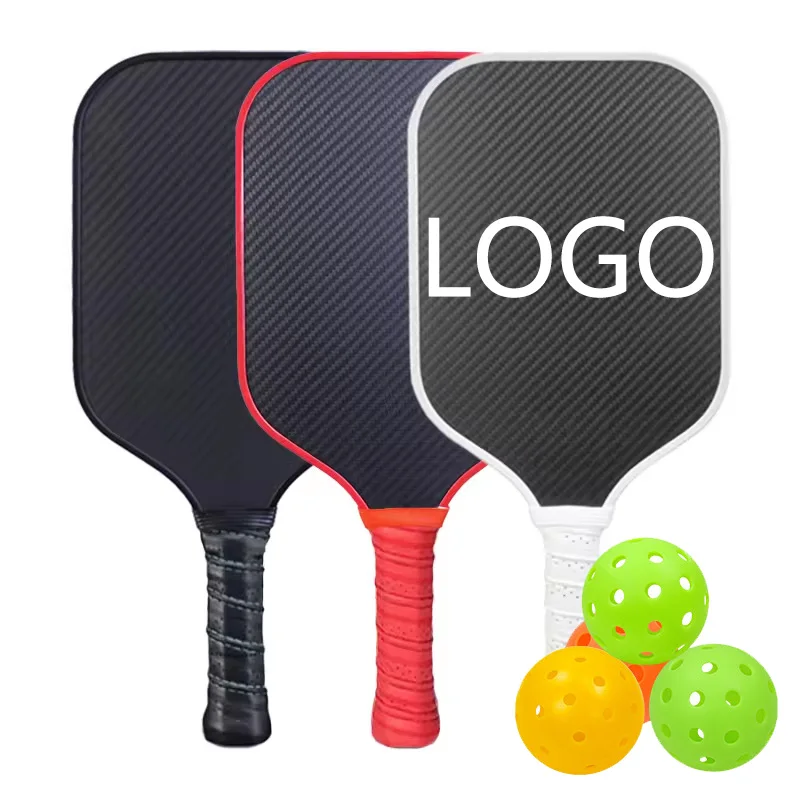
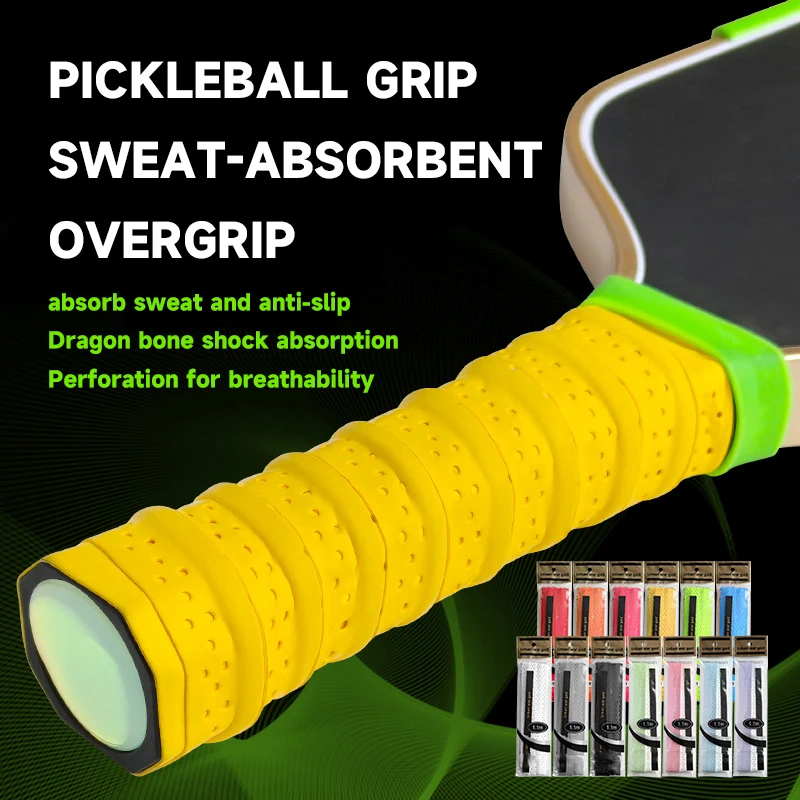
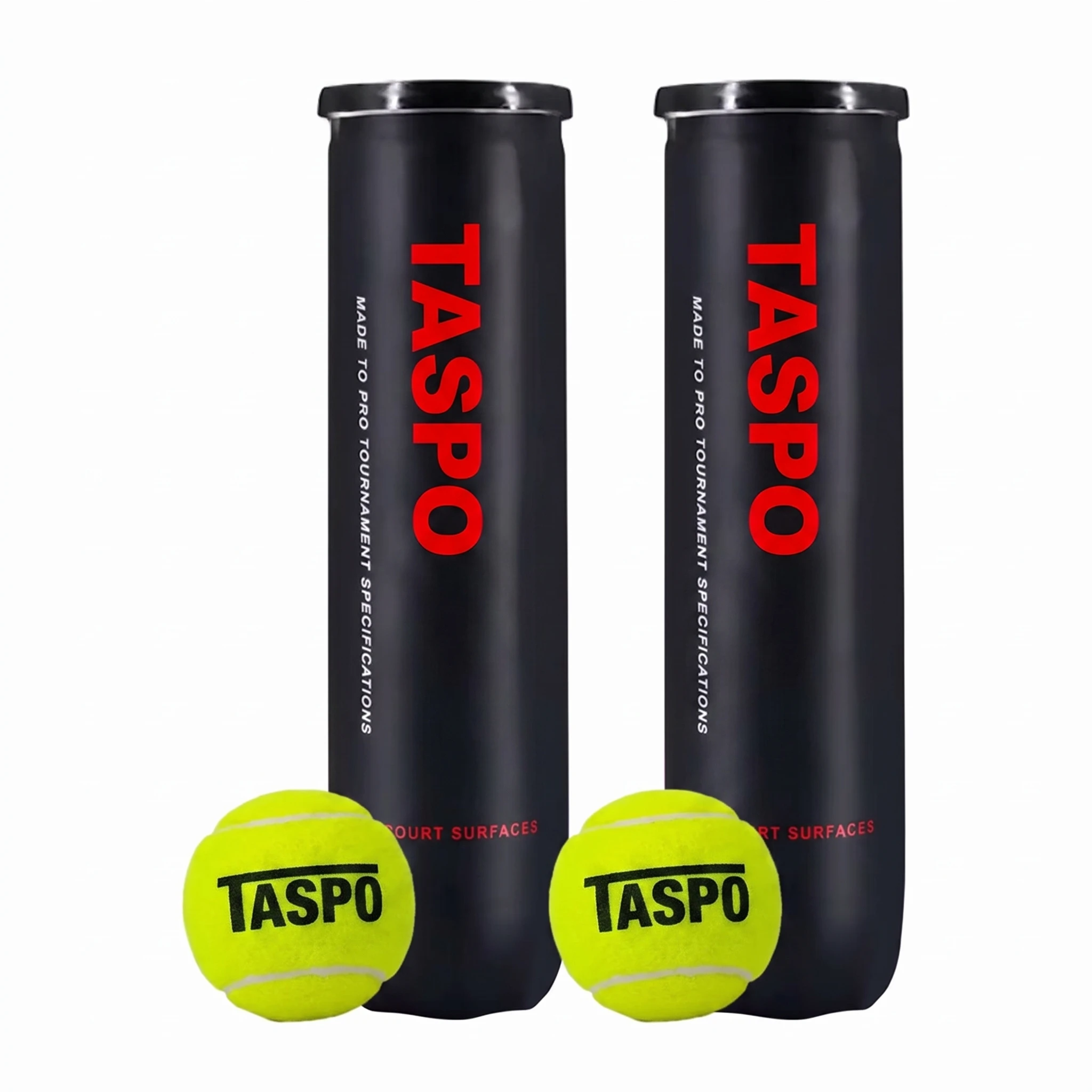
Pairing elite composite rackets with equally advanced textile accessories creates a cohesive, high-margin product ecosystem for sports brands and club retailers. Taspo operates as a comprehensive sports equipment manufacturer backed by over one hundred and thirty skilled engineers and self-owned standardized production facilities. In addition to engineering world-class carbon fiber pickleball paddles, padel rackets, and beach tennis gear, Taspo provides full-scale OEM and ODM manufacturing for high-performance sports sweatband lines, headbands, tacky overgrips, and athletic bags. Brand partners can customize multi-channel moisture wicking sweatband blends, seamless 3D jacquard knitting, high-density flat embroidery, and eco-friendly packaging tailored to exact retail or tournament specifications. Every athletic sweatband and court accessory produced by Taspo undergoes seven strict quality inspection stages verifying elasticity retention, wicking velocity, stitch durability, and sweat colorfastness. With rapid sample delivery in seven to fifteen working days and twenty-four-hour service response, Taspo empowers global sports brands to bring innovative court gear to athletes everywhere.
 Hot News
2026-11-24
2026-11-24
2026-11-24
2026-11-24
2026-11-24
2026-11-24
 EN