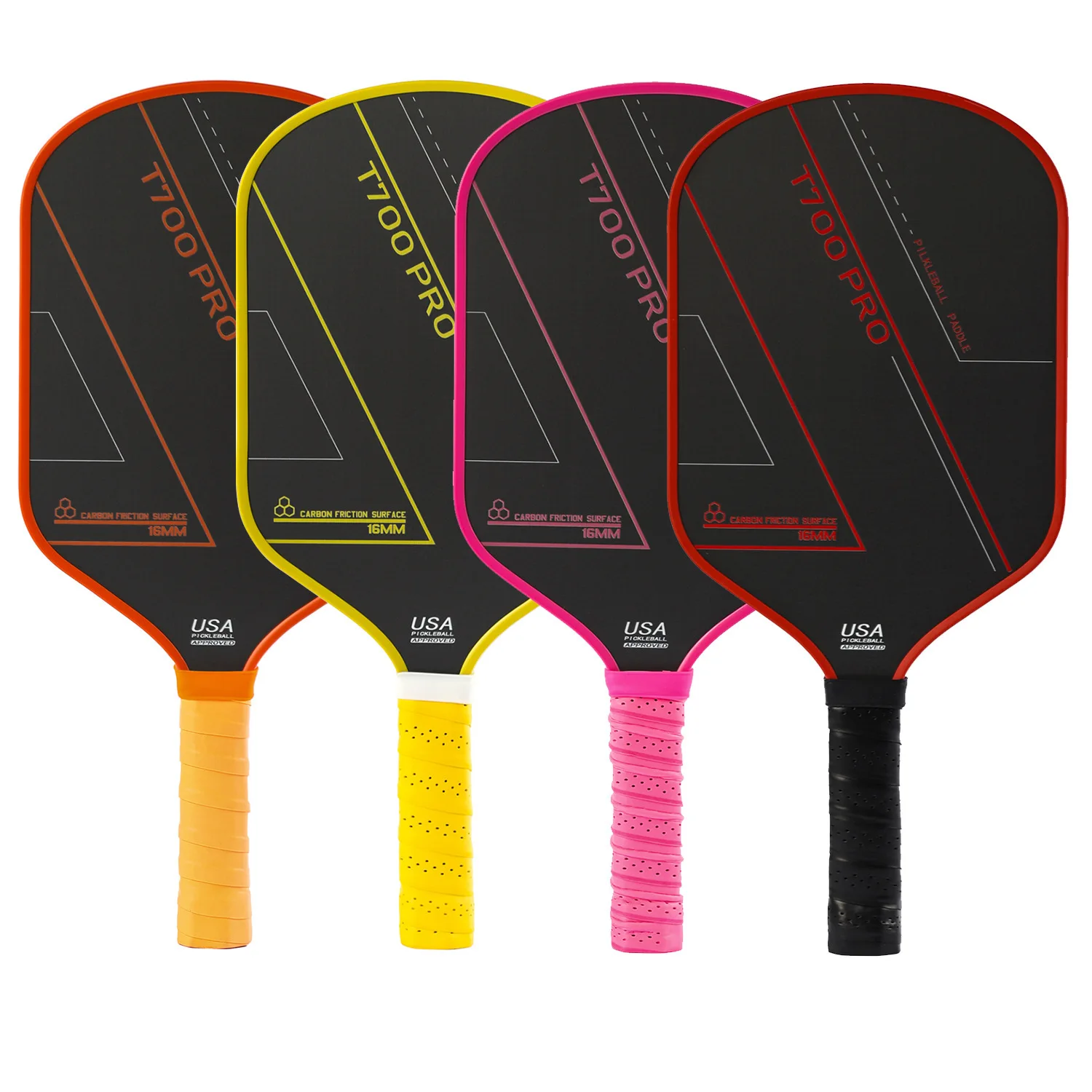
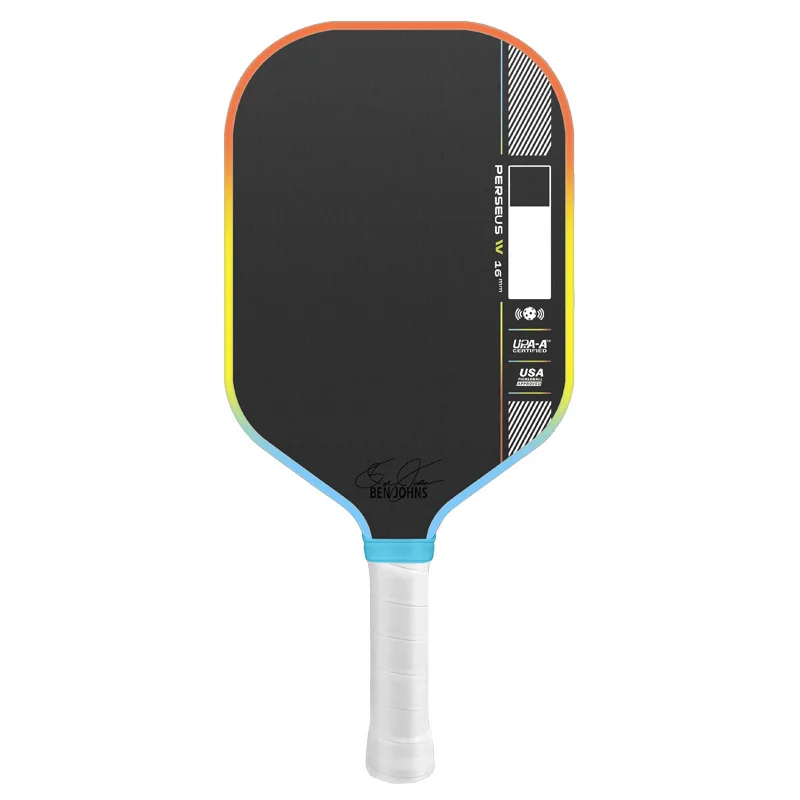
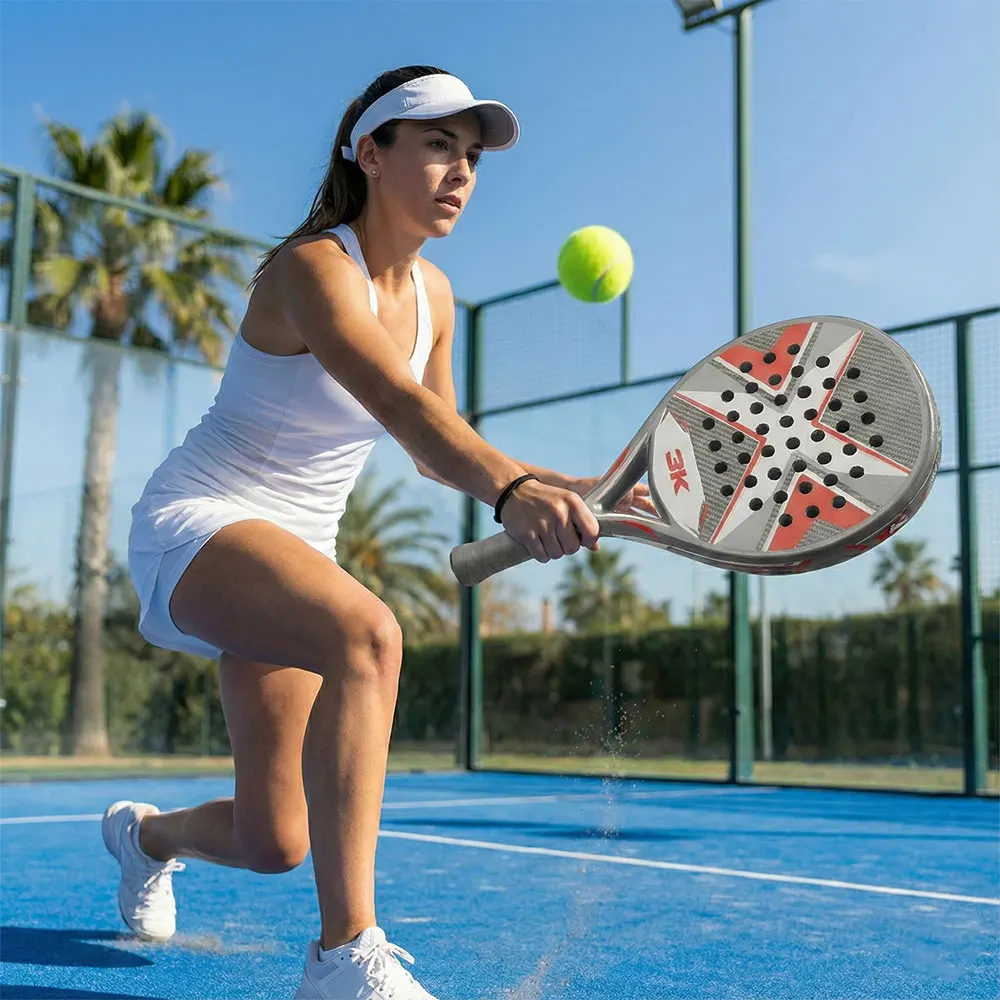
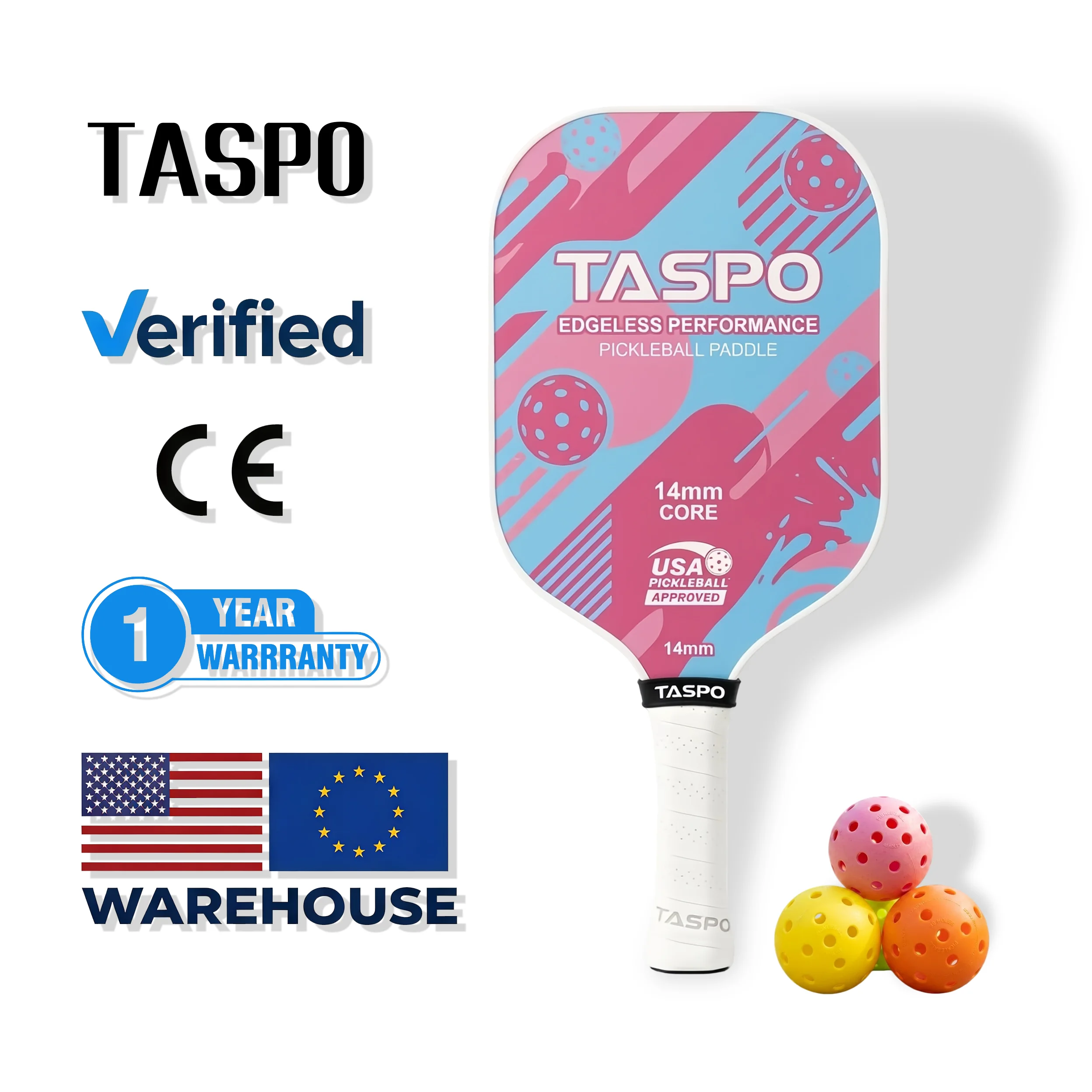
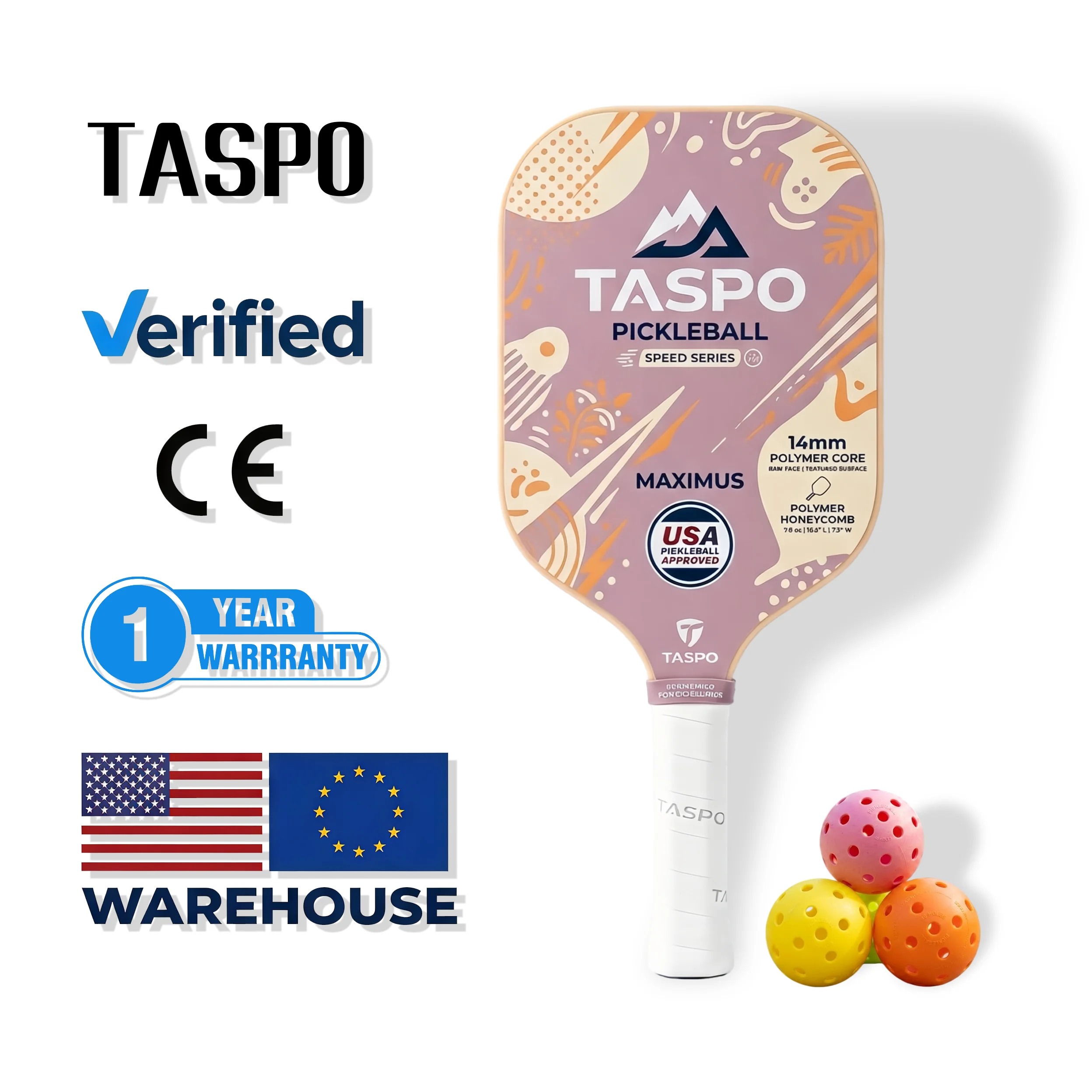
Pickleball has taken the global sporting world by storm, evolving from a local park recreation into a dominant international phenomenon. To understand what drives pickleball popularity, one must first look at the unique physical geometry and mechanics of the sport’s equipment. Traditional racket sports like tennis and squash demand years of rigorous training to master precise ball-striking, largely due to long frame lengths that increase the lever arm and create massive rotational torque on a player's shoulder and wrist. In contrast, the shorter length and wider hitting surface of a pickleball paddle drastically reduce the moment of inertia, making it incredibly easy for beginners to coordinate hand-eye contact with the ball from their very first game. This intuitive pickleball paddle design allows newcomers of all fitness levels to enjoy rallies instantly. Additionally, the lightweight polymer ball, designed with aerodynamic flight holes, travels at roughly one-third the velocity of a tennis ball. This slower flight path dramatically expands the player's reaction window, reducing the cognitive stress of fast-paced rallies and allowing players of all ages to immediately experience the joy of continuous, competitive rallies.
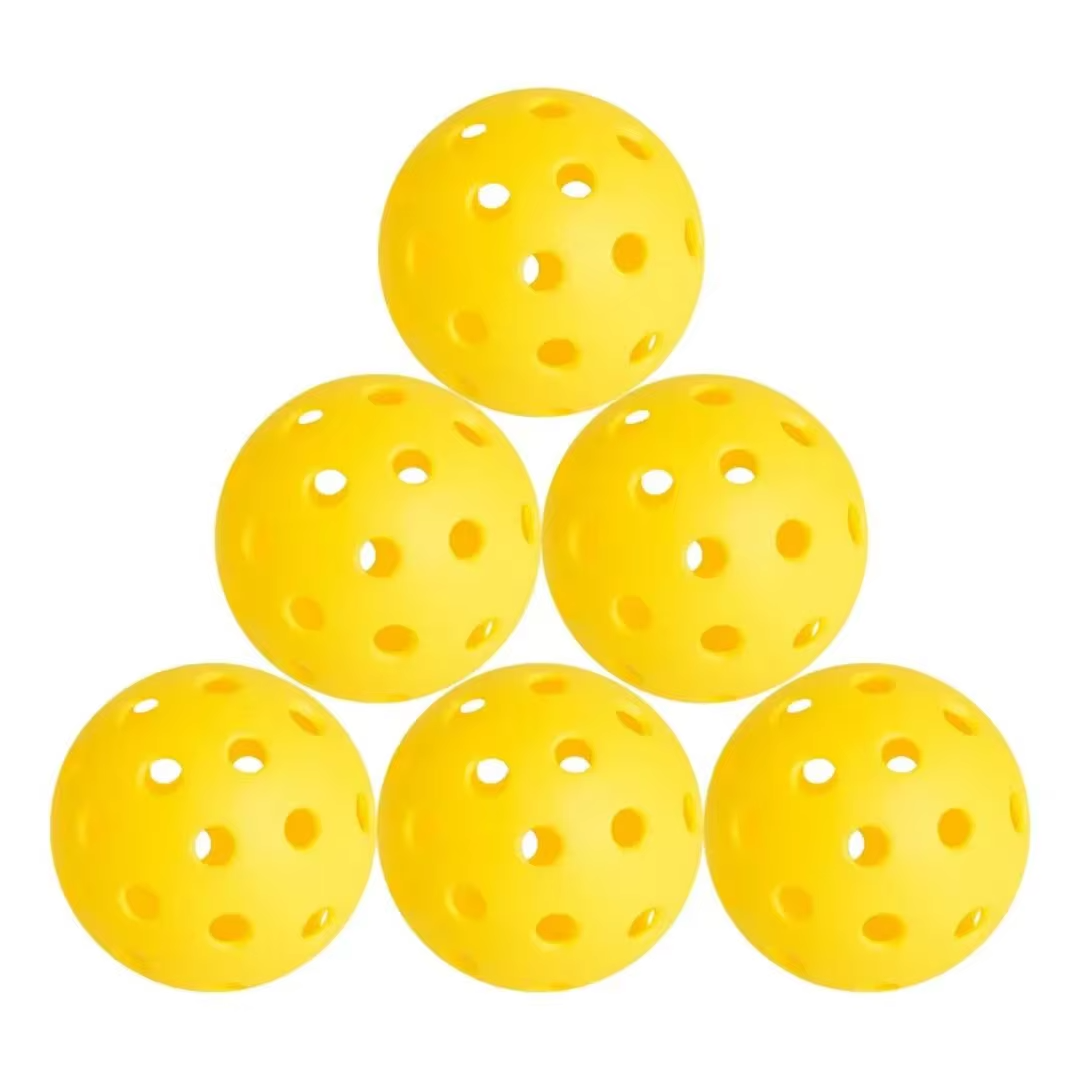
The physiological profile of athletic injuries has long been a major deterrent for individuals looking to maintain active lifestyles. Repetitive high-impact tennis serves and deep badminton lunges place tremendous strain on knee cartilage, lower back discs, and rotator cuff tendons. A crucial element behind what drives pickleball popularity is its exceptionally forgiving, low-impact ergonomic design. Play takes place on a compact court, which is roughly one-fourth the size of a standard tennis court. This reduction in playing area minimizes the need for high-velocity lateral sprints and abrupt deceleration stops, which are major catalysts for ligament sprains. Furthermore, the strategic inclusion of the non-volley zone, universally known as the "kitchen line," prevents players from executing aggressive overhead smashes right at the net. This rule forces players to engage in low-impact, tactical dinking rallies that emphasize soft touch, patience, and rapid hand movements over raw physical strength, making the sport highly accessible. By incorporating a professional pickleball paddle design, players can further minimize elbow fatigue, ensuring a highly comfortable playing experience.
Unlike almost any other sport, the spatial layout of a pickleball court is optimized for high-intensity social interaction. The physical proximity of the competitors—who stand a mere 14 feet apart across the non-volley zone—fosters an environment where players can easily converse, laugh, and challenge one another during play. This conversational court dynamic has transformed the game from a standard workout routine into a highly addictive communal experience. Understanding what drives pickleball popularity requires analyzing how these social kinematics integrate into modern lifestyles. Public parks, private country clubs, and corporate wellness centers can convert a single underutilized tennis court into four vibrant pickleball courts, quadrupling the social capacity of the space. To support this fast-growing demand, brands seek a reliable pickleball paddle manufacturer that can deliver consistent, high-quality gear. This high social density makes the sport a perfect fit for multi-generational family gatherings, weekend social leagues, and corporate networking events, creating an inclusive community culture where players are joined by a shared passion.
From an economic perspective, the commercial infrastructure required to support pickleball is highly efficient, driving massive investment from private developers and municipal governments. The financial barrier to entry for individual players is incredibly low, as a beginner only needs a durable paddle and a few plastic balls to start playing. This affordability, combined with the extreme durability of modern composite polymer paddles, ensures that players receive exceptional value over the lifespan of their gear. For sports brands and retail chains, the soaring demand has created a highly lucrative market for high-quality accessories, specialized apparel, and premium paddles. Understanding what drives pickleball popularity also involves recognizing how fast-paced equipment turnarounds and custom design options encourage repeat purchases. As players advance from casual play to local tournaments, they actively seek out advanced equipment upgrades. They require a premium pickleball paddle design that utilizes aerospace-grade carbon fiber and specialized textures to maximize their competitive edge, fueling a massive and sustainable economic ecosystem.
The global expansion of pickleball is supported by a sophisticated manufacturing supply chain that ensures every paddle meets precise professional standards. As players become more discerning, they demand equipment that offers perfect weight consistency, reliable surface grit, and superior shock absorption. Producing equipment that satisfies this global demand requires a deep understanding of polymer chemistry and advanced composite molding. Working with an experienced pickleball paddle manufacturer is essential for brands that want to maintain high product consistency. As a leading manufacturer in the international sporting goods arena, Taspo Sports has been a primary force behind the structural refinement of modern pickleball paddles. By utilizing state-of-the-art carbon thermoforming processes, custom edge-foaming techniques, and rigorous mechanical stress testing, Taspo Sports provides international brands with the high-performance OEM and ODM manufacturing solutions needed to thrive. Partnering with a premier pickleball paddle manufacturer like Taspo Sports allows brands to deliver paddles that embody the perfect fusion of lightweight maneuverability and explosive power, ensuring that players worldwide can experience the absolute best that this dynamic sport has to offer.
 Hot News
2026-11-17
2026-11-17
2026-11-17
2026-11-17
2026-11-17
2026-11-17
 EN