Ordering a batch of custom tennis frames is fundamentally more demanding from a structural engineering standpoint than sourcing solid-core paddles. A modern tennis frame is a hollow, thin-walled composite tube that must survive two simultaneous mechanical torture tests: first, having eighteen main strings and twenty cross strings winched across its hoop at fifty-five to sixty-five pounds of tension on a stringing machine; and second, absorbing violent one-hundred-and-fifty-kilometer-per-hour baseline collisions without twisting. When procurement directors or brand founders cut corners by ordering through unverified trading brokers, the structural flaws show up before the athlete ever steps onto the court. Inside a professional stringing shop, cheap frames made with low-grade graphite and uneven wall thickness ovalize dramatically under string tension, cracking around the upper hoop grommets or snapping clean through the throat bridge on the first mishit serve. Knowing where to find trusted tennis racket manufacturers starts with bypassing middlemen and auditing factories equipped to handle high-pressure hollow bladder molding.
Separating an authentic composite tennis factory from a basic assembly workshop requires inspecting two critical areas during a facility audit: the cold-storage prepreg room and the hydraulic bladder-molding floor. Legitimate carbon fiber tennis racket manufacturers source aerospace-grade thirty-ton and forty-ton High-Modulus Carbon Graphite sheets pre-impregnated with calibrated epoxy resin, storing those rolls inside walk-in freezers at minus eighteen degrees Celsius so ambient heat never degrades resin tackiness. In the rolling room, technicians wrap ten to sixteen directional carbon plies at precise forty-five and ninety-degree bias angles around a flexible, airtight nylon air bladder and a removable mandrel. That raw carbon layup is placed inside a heated CNC-machined steel mold cavity while high-pressure compressed air—reaching up to one hundred and fifty pounds per square inch—inflates the internal nylon bladder from the inside out. High-pressure internal bladder molding forces the melting carbon and epoxy matrix tightly against the steel cavity walls, compacting the laminate to eliminate internal air voids and resin pooling that cause premature frame breakage.
Once a hollow carbon frame emerges from the curing press, its on-court playability and stringing safety depend on precision machining and handle foaming. In low-end workshops, workers drill string holes manually using hand jigs, frequently misaligning the entry and exit angles through the twin walls of the hollow carbon tube. Crooked drill holes pinch the plastic grommet barrels and create sharp carbon burrs that shear through expensive polyester strings during high-tension tournament play. In contrast, trusted tennis racket manufacturers utilize programmable five-axis Computer Numerical Control drilling stations that rotate the frame automatically, drilling seventy-plus compound-angle grommet holes with sub-millimeter accuracy in under ninety seconds. Equally important is handle construction and post-production quality sorting. Rather than stapling cheap plastic shells onto bare shafts, top factories mold high-density polyurethane foam handles directly around the graphite hairpin inside precision jigs to ensure crisp octagonal bevels. Every finished wholesale tennis racket then passes through digital Babolat-standard diagnostic stations that measure static mass, balance point, dynamic swing weight, and RA frame stiffness—holding batch tolerances within plus-or-minus two grams.
Examining supply chain restructurings from European racket companies proves how partnering with a verified manufacturer elevates brand authority among discerning coaches and stringers. Consider an independent tennis equipment brand operating across France and Germany that supplies regional coaching academies and specialty pro shops. Four years ago, the brand sourced its three-hundred-gram tournament line through an import trading agency. Master racquet technicians across their partner shops constantly complained that two frames ordered as a "matched pair" arrived with a nine-gram weight gap and a six-point difference in RA stiffness, while three percent of frames cracked at the ten o’clock grommet bridge during stringing. Determined to establish tour-level credibility, the product director audited and contracted directly with an integrated custom tennis racket manufacturer. By locking in 40T high-modulus carbon layups, automated five-axis CNC drilling, and factory-serialized digital matching, stringing failures dropped to zero and paired-frame consistency rivaled legacy global giants. Within two years, ninety-five regional tennis academies adopted the brand as their official hardware partner.
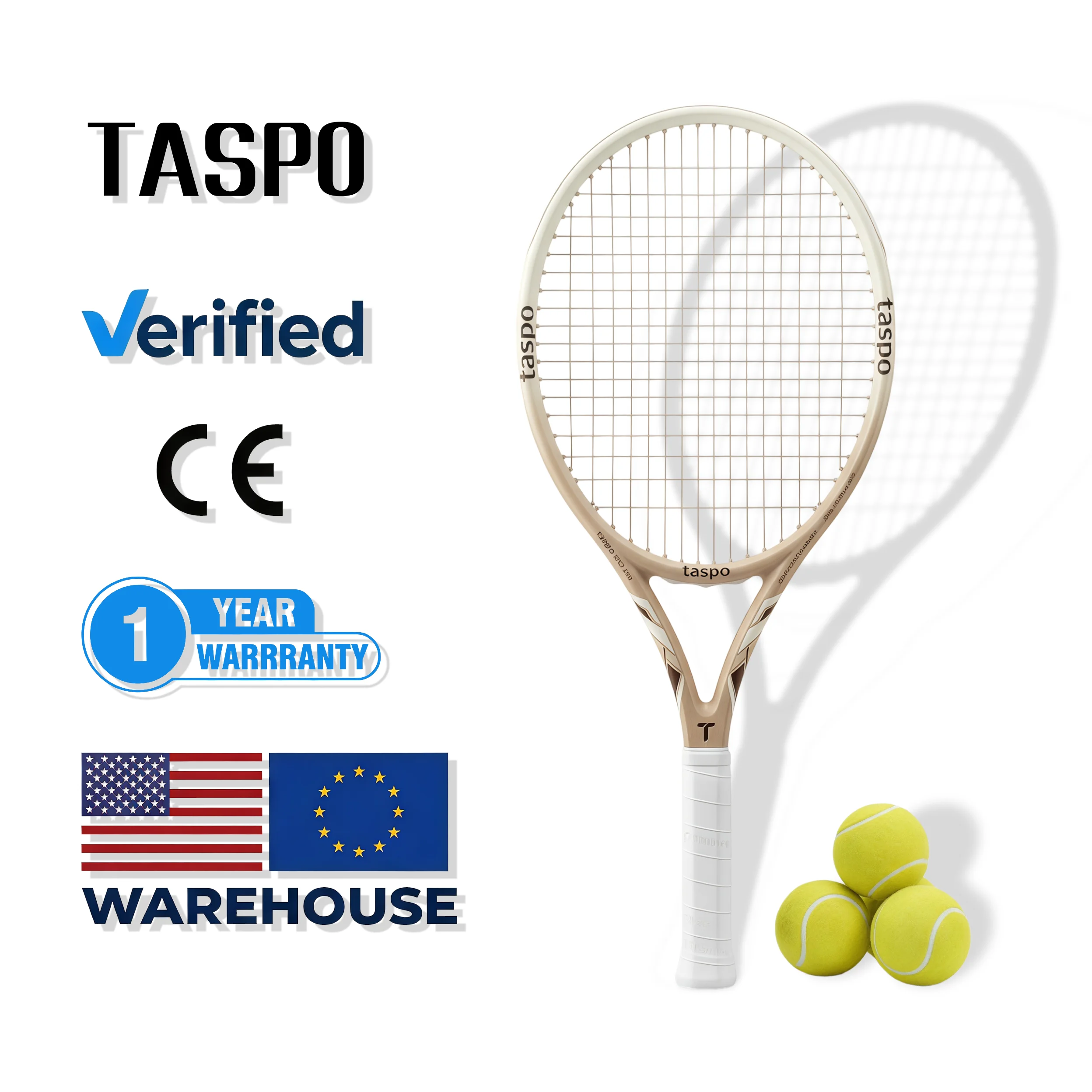
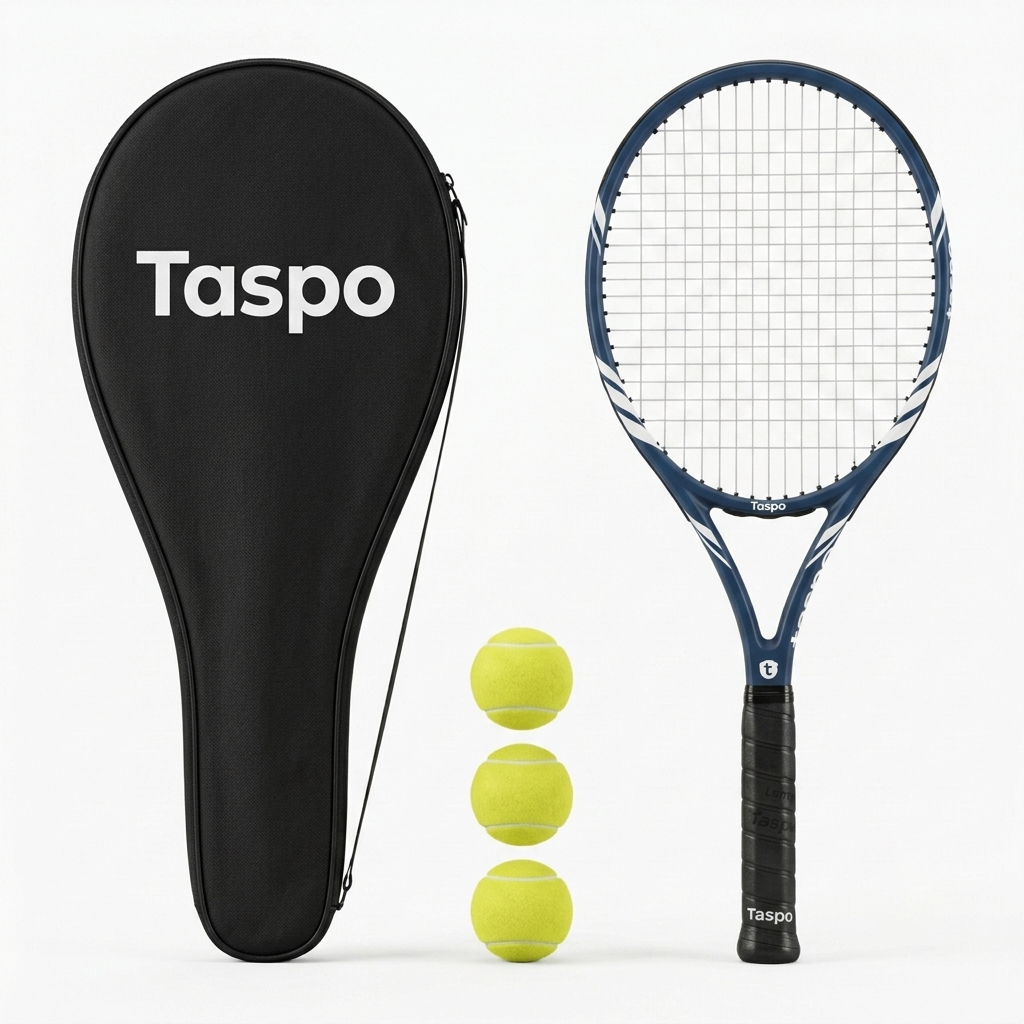
For sporting goods executives, academy networks, and private label founders searching for a reliable long-term production partner, Taspo stands out among trusted tennis racket manufacturers worldwide. Operating a modern, vertically integrated composite manufacturing complex under strict ISO quality management systems, Taspo controls the entire production lifecycle under one roof. From cold-storage management of authentic high-modulus carbon prepreg and high-pressure internal bladder molding to five-axis CNC grommet machining, polyurethane handle foaming, and clean-room UV cosmetic finishing, Taspo engineers frames that pass brutal pneumatic cannon fatigue trials and high-load stringing tension checks. Whether a partner needs junior recreational frames, ultra-light club models, or tour-spec aerodynamic carbon fiber tennis rackets with custom vibration-dampening layups, Taspo delivers transparent communication, tight plus-or-minus two-gram quality sorting, and reliable lead times. Even better, buyers can consolidate their custom tennis racket orders alongside Taspo’s ITF-compliant pressurized tennis balls, absorbent overgrips, cotton sweatbands, and thermal bags in a single container—streamlining global logistics and building a powerhouse court brand.
 Hot News
2026-11-24
2026-11-24
2026-11-24
2026-11-24
2026-11-24
2026-11-24
 EN