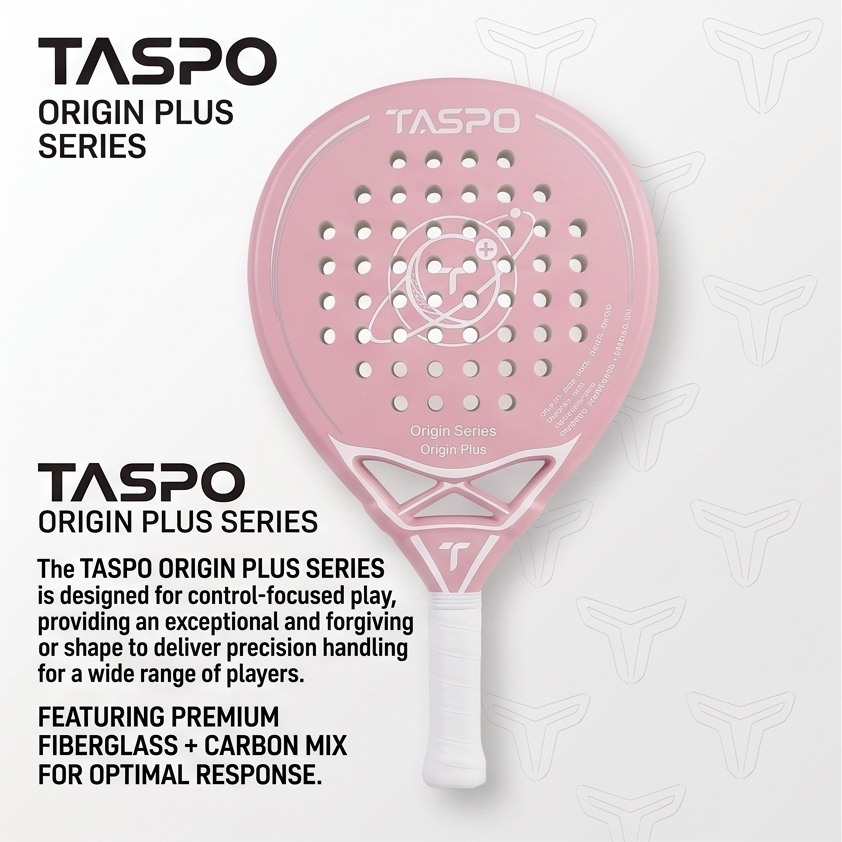
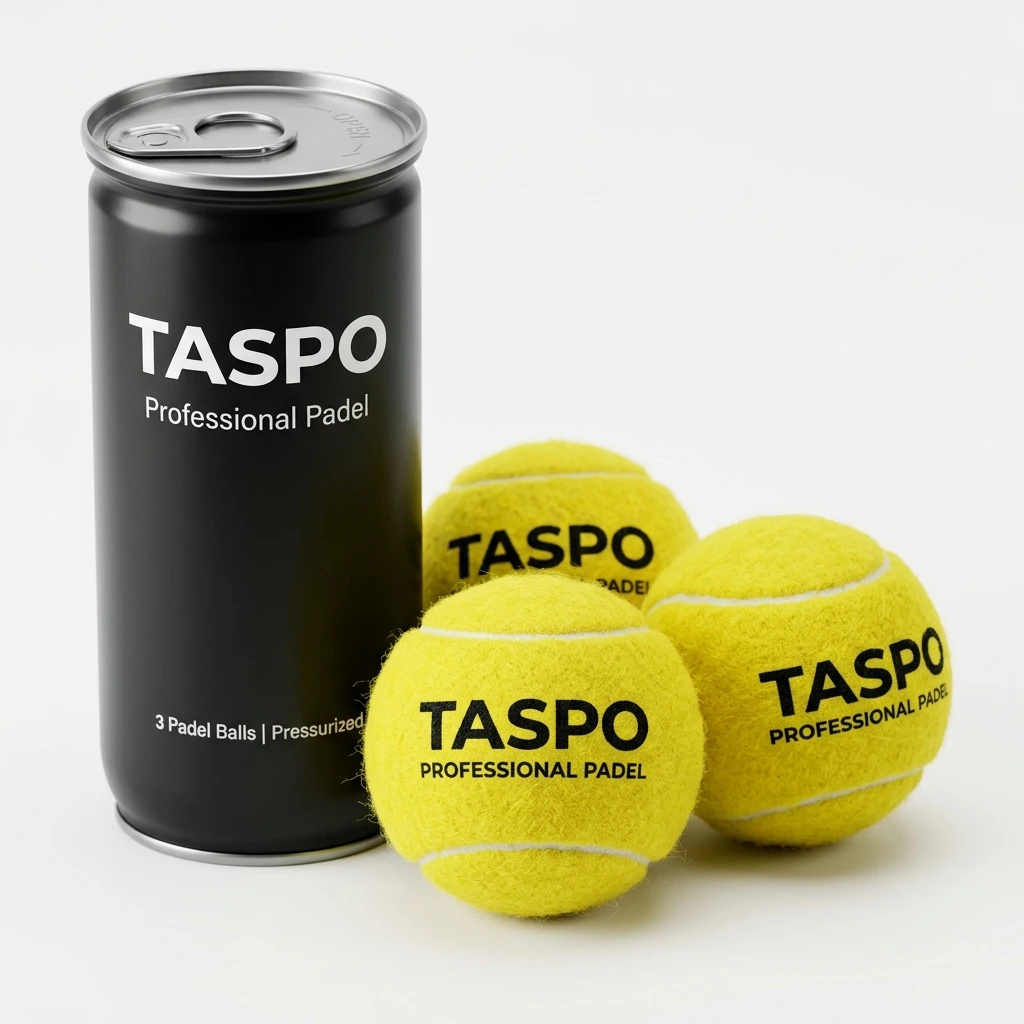
Scaling a padel equipment brand from small local club sales into national retail chains and sanctioned federation tournaments changes the rules of procurement overnight. Many early-stage buyers source their initial inventory through unverified trading brokers who subcontract production to informal backyard workshops. While those workshops might produce a paddle that looks passable on a smartphone screen, shipping uncertified hardware into European, North American, or Middle Eastern markets exposes an importer to catastrophic legal and commercial liabilities. Under International Padel Federation competition rules, any racket whose thickness exceeds thirty-eight millimeters, whose total length surpasses forty-five point five centimeters, or whose central hole diameter falls outside the nine-to-thirteen millimeter window can be immediately disqualified by a tournament referee. Worse still, low-end workshops routinely use cheap industrial adhesives and dyed wrist cords that fail European Union REACH chemical safety inspections for polycyclic aromatic hydrocarbons and heavy metals—triggering costly customs seizures or retail recalls. Knowing where to source certified padel racket suppliers is the foundational shield that protects a growing sports enterprise.
Conducting a serious vendor qualification starts with demanding verifiable third-party compliance certificates before a single sample invoice is paid. When evaluating certified padel racket suppliers, procurement directors must verify three pillars of institutional legitimacy. The first pillar is an active ISO 9001 Quality Management System certification registered directly under the manufacturing facility’s legal name—not a borrowed certificate belonging to a trading partner. ISO 9001 governance guarantees that raw carbon prepreg batches, hydraulic mold curing temperatures, and post-production weight sorting follow documented, repeatable standard operating procedures. The second pillar is ethical and social compliance, such as BSCI or Sedex factory audits. Major multinational sporting goods chains across Europe and North America strictly forbid onboarding any private label brand whose factory cannot produce a clean social and workplace safety audit. The third pillar is engineering adherence to official federation hardware rules: a certified custom padel racket manufacturer designs every steel mold cavity and CNC drilling program to stay safely inside the thirty-eight millimeter thickness limit and twenty-six centimeter width boundary even after multi-layer UV coatings are applied.
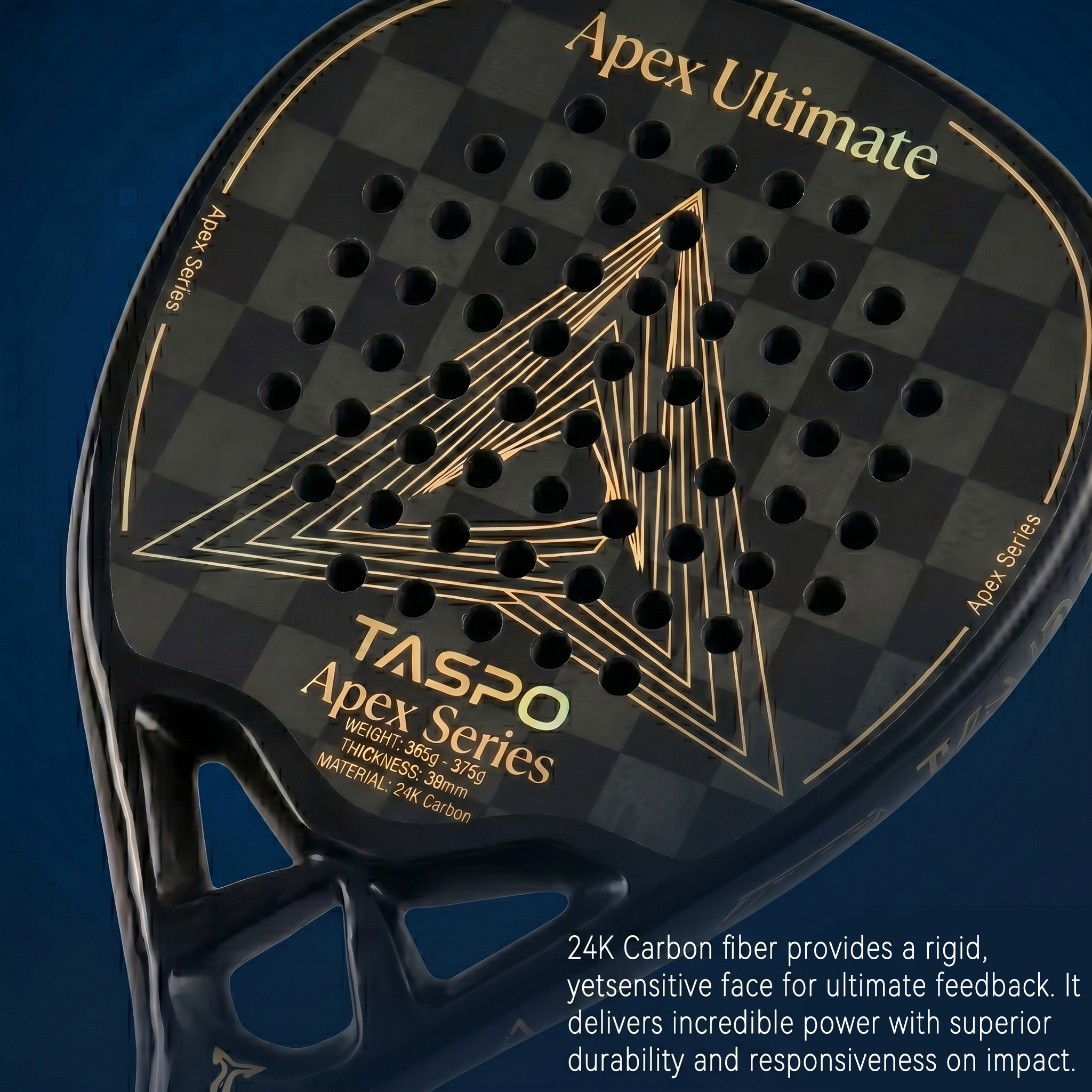
Paper certificates only mean something when backed by physical testing hardware operating every day on the factory floor. Walking through the quality assurance laboratory of a top-tier carbon padel racket supplier reveals how certified engineering prevents on-court accidents. One of the most critical safety components on any padel frame is the mandatory wrist tether cord threaded through the bottom of the handle shaft. Because players swing heavy three-hundred-and-seventy-gram carbon paddles inside a confined glass cage inches away from their partner’s head, federation rules mandate a non-elastic safety cord capable of surviving violent wrist snaps. Certified factories subject every batch of braided wrist straps and internal handle anchors to a one-hundred-and-fifty-kilogram tensile pull test to guarantee the cord never rips out of the butt cap during a sweaty overhead smash. Simultaneously, laboratory technicians mount finished frames onto six-axis pneumatic testing rigs that fire high-velocity spheres against the carbon face five thousand times, while verifying that handle polyurethane wraps and UV clear coats pass strict REACH and RoHS non-toxic skin-contact standards.
Examining commercial expansion cases from European sporting goods brands demonstrates how factory certifications unlock massive big-box retail contracts. Consider an ambitious racket sports brand based in Munich and Paris that spent two years building a strong following across independent padel clubs. When a major pan-European sporting goods retail chain invited the brand to pitch for a one-hundred-and-eighty-store national rollout, the retail buyer’s compliance department demanded full factory ISO 9001 documentation, social audit reports, REACH chemical test certificates for the grip tape, and batch durability logs within thirty days. Because the brand’s previous trading broker used uncertified cottage workshops that refused inspection, the deal nearly collapsed. Acting quickly, the founders transitioned their entire wholesale padel racket production to a fully certified, vertically integrated manufacturer. Armed with the factory’s turnkey audit portfolio and laboratory test reports, the brand cleared retail compliance onboarding in just forty-five days—securing an initial twelve-thousand-unit purchase order that tripled their annual company revenue.
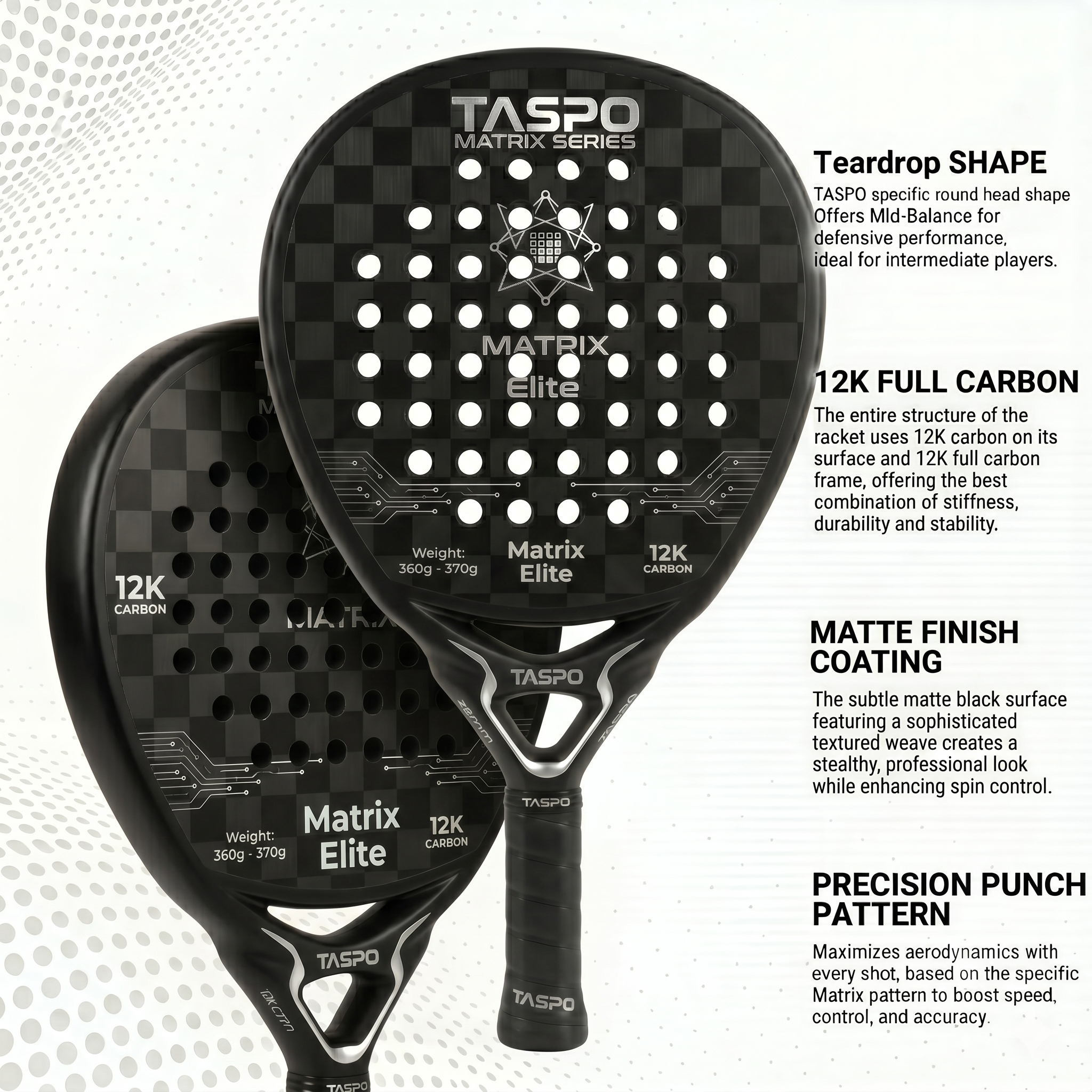
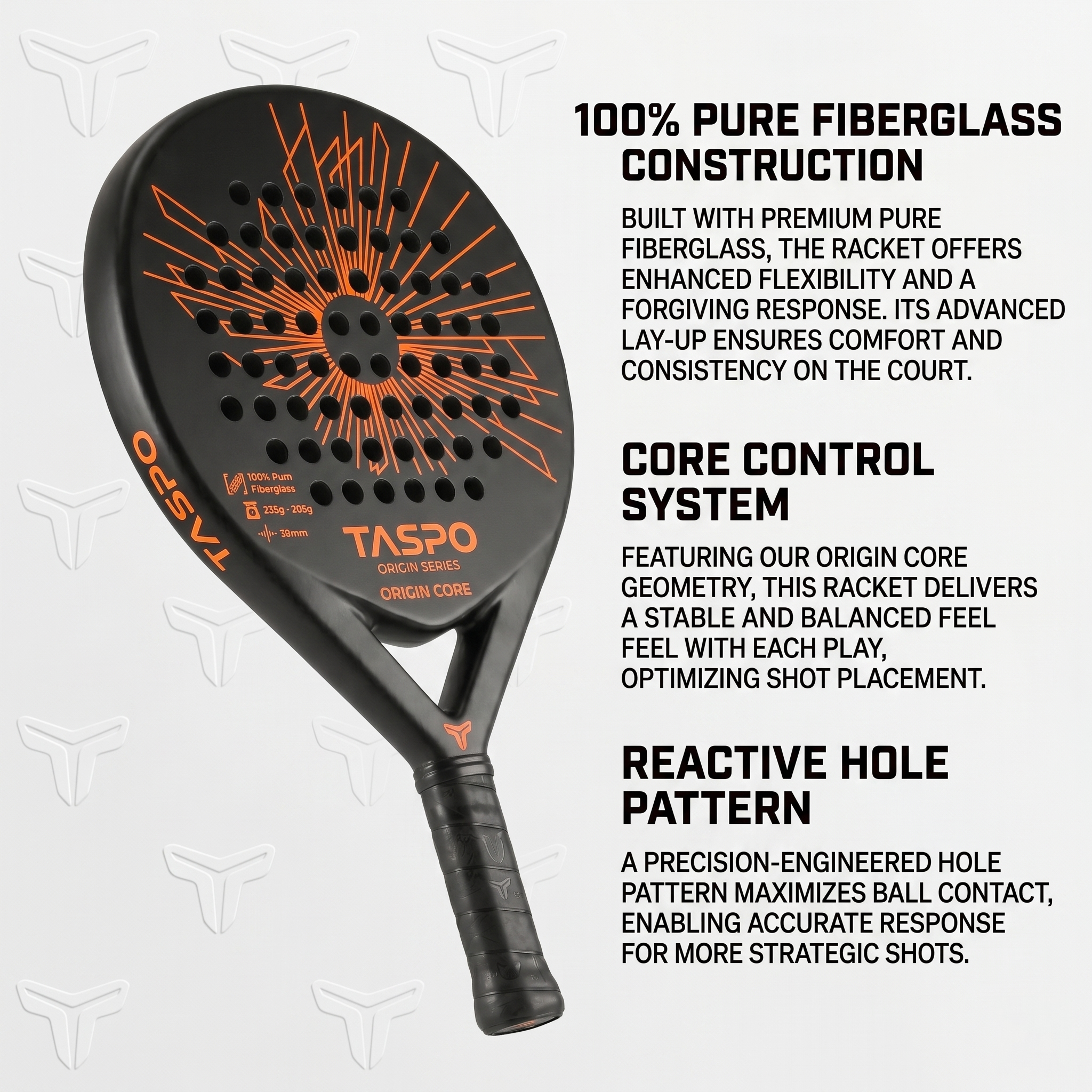
For sporting goods executives, retail chain buyers, and private label founders who refuse to gamble their brand reputation on unverified workshops, Taspo stands out as the premier choice among certified padel racket suppliers globally. Operating a sprawling, state-of-the-art manufacturing facility governed by strict ISO quality management protocols, Taspo provides complete supply chain transparency and audit-ready documentation for international importers. Inside Taspo’s composite production base, every custom padel racket is engineered to exact International Padel Federation dimensional rules—combining authentic cold-stored carbon prepreg, precision-mapped EVA foam cores, five-axis CNC hole drilling, and 150-kilogram-tested safety tether anchors with REACH-compliant, dust-free UV cosmetic finishes. Every batch undergoes digital weight-and-balance sorting within plus-or-minus three grams alongside exhaustive mechanical fatigue verification in Taspo’s in-house lab. Furthermore, buyers can consolidate their certified rackets with Taspo’s FIP-standard pressurized padel balls, Oeko-Tex-compliant cotton sweatbands, custom overgrips, and court bags, building a fully compliant, world-class product line ready for global retail shelves.
 Hot News
2026-11-20
2026-11-20
2026-11-20
2026-11-20
2026-11-20
2026-11-20
 EN