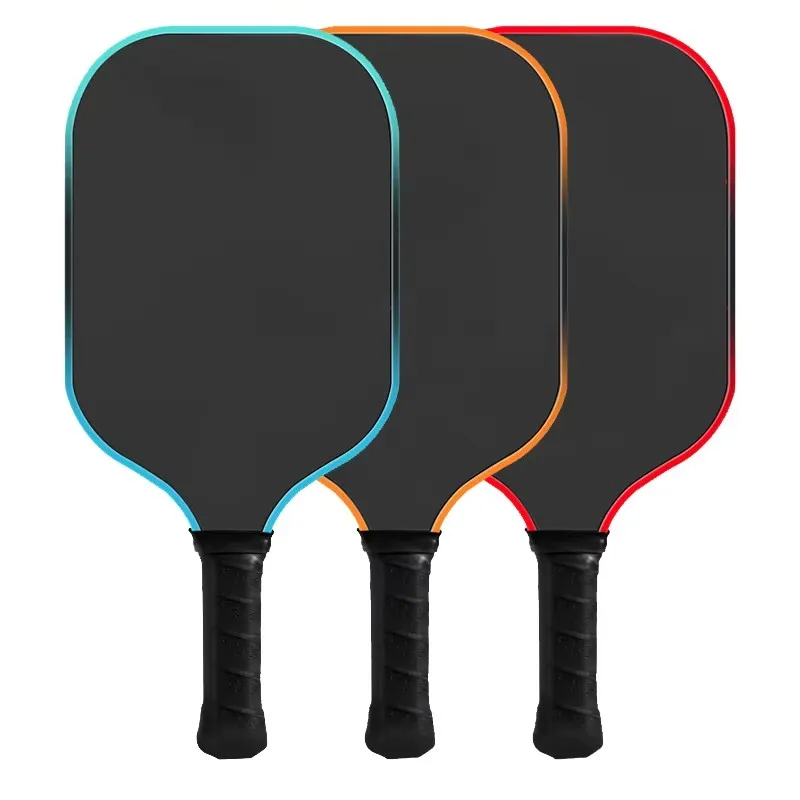
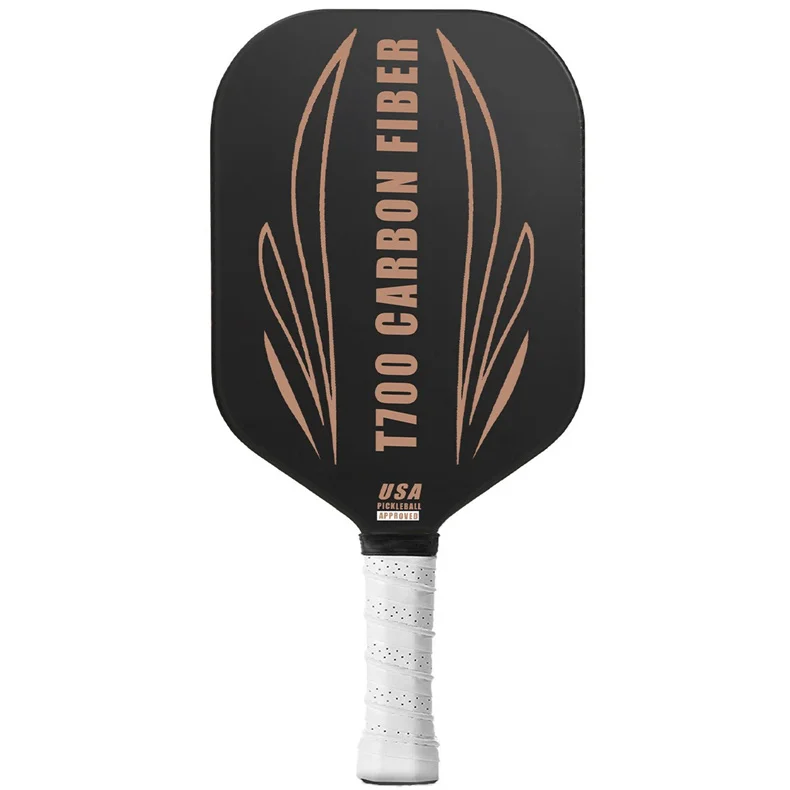
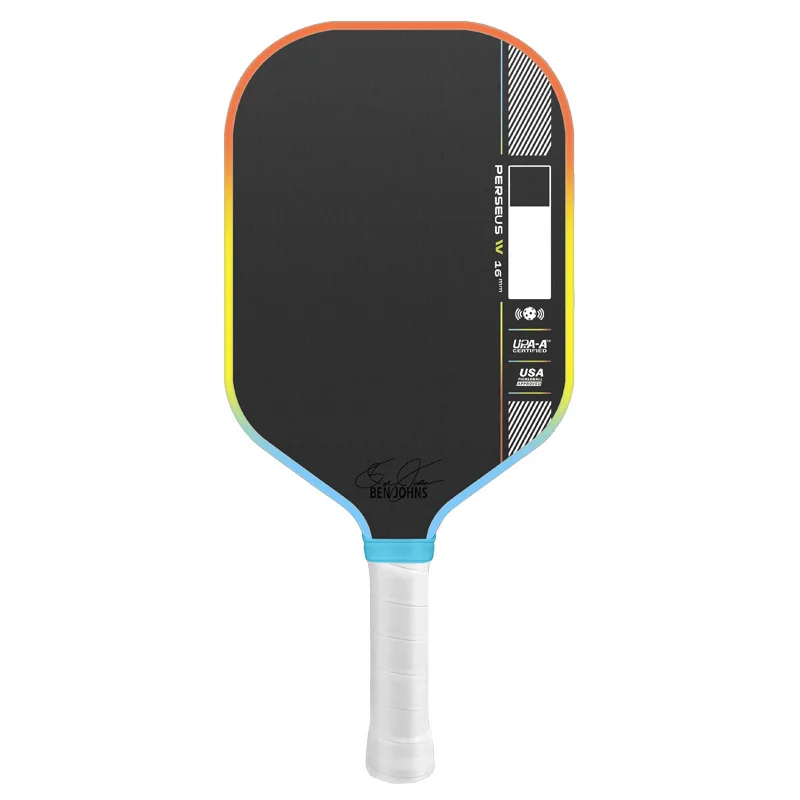
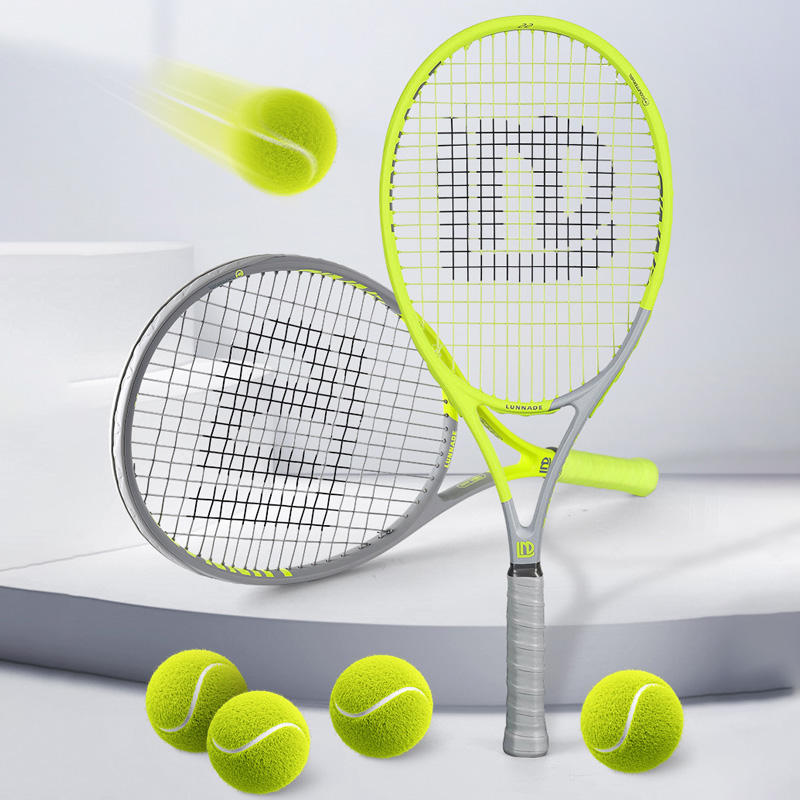
Scaling an athletic hardware brand from small test batches to full container orders introduces a complex set of industrial engineering challenges that catch many procurement directors off guard. Unlike hollow strung tennis frames or flat-pressed pickleball paddles, a modern padel racket is a solid composite sandwich molded around an expandable elastomeric core. When brands attempt to execute bulk padel racket ODM projects through inexperienced assembly workshops, quality wheels quickly come off the track once production volume crosses a thousand units. The three most destructive mass-production failures are wild weight discrepancies where frames from the exact same mold vary by twenty grams, hidden internal delamination voids that cause the carbon face to crack after ten hours of court impact, and bubbling cosmetic paint jobs caused by rushed kiln drying. Industry quality control audits reveal that unverified third-party workshops suffer structural defect and rejection rates approaching twenty percent during peak summer manufacturing rushes. Mastering how to handle bulk padel racket ODM projects requires replacing guesswork with a rigid, engineering-first pipeline that governs raw resin chemistry, hydraulic mold thermodynamics, and automated post-molding finishing from the very first prototype.
Transforming a brand director’s sketch into five thousand identical tournament-ready frames demands a disciplined, linear development workflow before a single sheet of carbon fiber is cut. A professional padel racket ODM project always begins in the digital realm with three-dimensional Computer-Aided Design modeling and Finite Element Analysis. During this phase, structural engineers map out throat bridge geometry, aerodynamic air-channel bevels, and internal mass distribution to hit the exact target swing weight. Once the brand approves a rapid-prototyped 3D resin mockup for hand ergonomics, precision CNC machines carve the master cavity out of hardened P20 or H13 tool steel. Opening a dedicated private mold gives a sports brand an exclusive structural silhouette that competitors cannot copy from public catalogs. On the molding floor, skilled technicians wrap pre-impregnated carbon fiber layers around a precision-cut Ethylene Vinyl Acetate foam core and place the assembly inside the heated steel cavity. Maintaining hydraulic platen temperatures within a strict plus-or-minus two degrees Celsius tolerance is critical; if heat distribution wavers during the curing cycle, epoxy resin pools unevenly, creating brittle spots or surface pinholes that ruin structural longevity.
One of the greatest commercial advantages of a custom ODM padel racket program is the ability to engineer a cohesive multi-tier product matrix that captures beginners, club regulars, and elite tournament strikers simultaneously. Rather than guessing on material specs, procurement teams must align composite layup schedules with specific biomechanical player profiles. For entry-level and recreational retail tiers, combining a twin-tube carbon frame perimeter with an elastic fiberglass striking face and a low-density thirteen-degree soft EVA core creates an effortless trampoline effect with a massive, forgiving sweet spot. Moving up to the intermediate club tier, specifying a teardrop mold paired with a woven 3K carbon padel racket face and a medium-density fifteen-degree black EVA core delivers the ideal equilibrium between defensive baseline control and net volley punch. For flagship professional models, an ODM padel racket factory will layer high-modulus 12K or 18K carbon fiber fabrics at forty-five-degree bias angles over a high-recovery seventeen-degree multi-density EVA core, finished with a 3D molded hex-grit spin surface and a head-heavy two hundred and seventy millimeter balance point. Establishing clear material bills of materials for each tier prevents cost creep and gives retail sales teams a crystal-clear technical story to tell consumers.
Examining how established European sporting goods distributors manage seasonal product launches demonstrates the financial power of an integrated ODM workflow. Consider a prominent multi-channel racket sports brand operating across Sweden, Spain, and the Netherlands that needed to launch a six-model bulk padel racket collection ahead of the spring outdoor court season. Previously, the brand split its supply chain across multiple small factories that outsourced frame painting, hole drilling, and handle foaming to external cottage workshops. That fragmented approach resulted in a grueling ninety-day lead time, mismatched Pantone decal colors across models, and a twelve percent warranty return rate due to cracking drill holes. Before their next seasonal cycle, the procurement team consolidated their entire private label padel racket development under one integrated ODM manufacturer equipped with in-house tooling, automated CNC drilling, and robotic dust-free paint booths. By synchronizing 3D mold modifications with pre-production fatigue testing, the brand compressed its entire concept-to-container timeline by forty percent, shipping five thousand retail-ready rackets in just forty-two days with a ninety-nine point six percent quality pass rate.
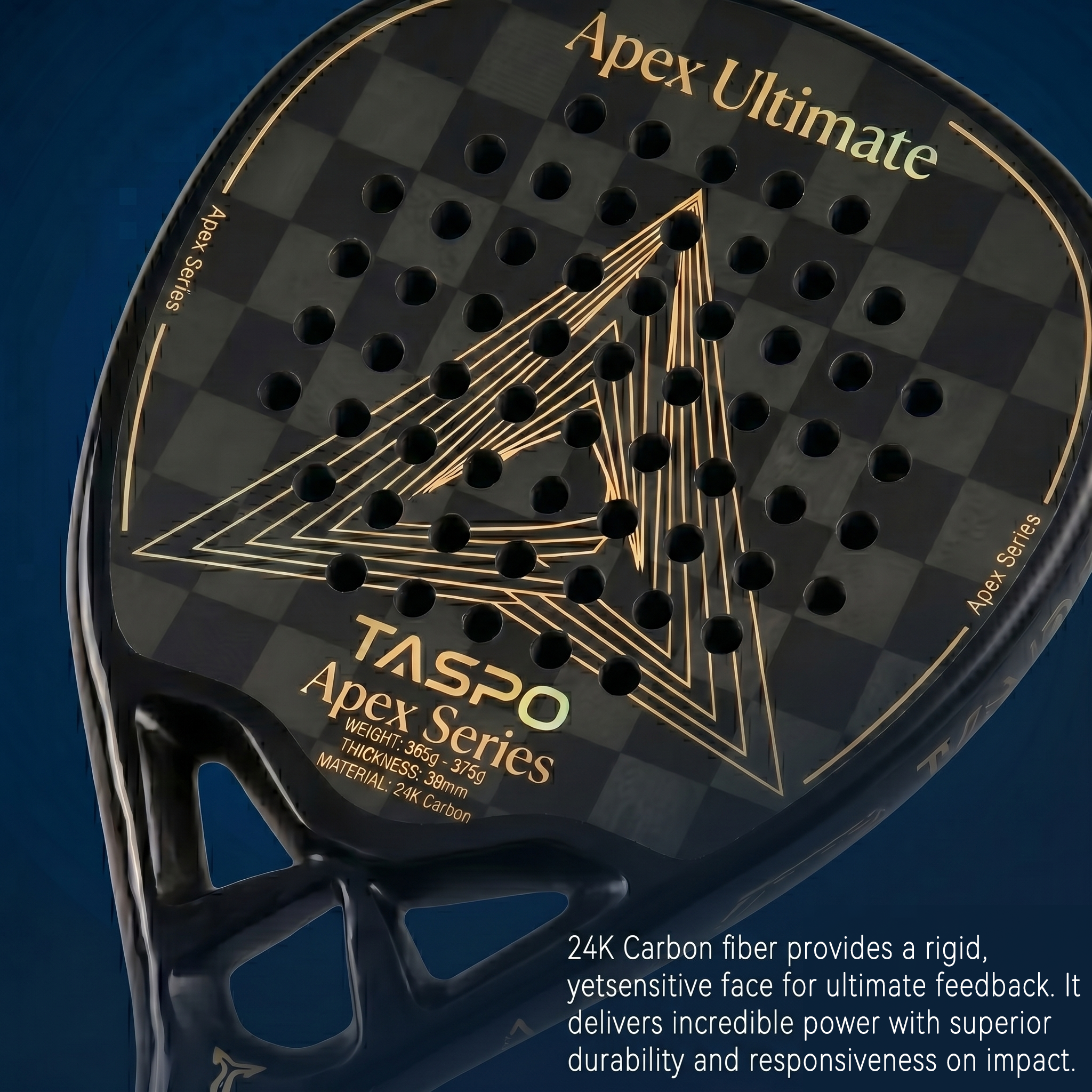
Executing large-scale composite hardware projects without supply chain delays or warranty nightmares requires a manufacturing partner built on industrial precision and transparent quality governance. When brands bypass trading middlemen and collaborate directly with an engineering-driven factory, they gain full visibility into raw material certificates, curing logs, and pre-shipment inspection data. This is exactly where Taspo serves as the ultimate strategic backbone for global sports brands, national distributors, and large club networks executing bulk padel racket ODM projects. Operating an expansive, ISO-certified manufacturing complex, Taspo houses an advanced composite research lab alongside automated hydraulic molding presses, five-axis CNC hole-drilling machines that prevent carbon fiber micro-fraying, and climate-controlled UV curing tunnels. Before any custom ODM padel racket design enters mass production, Taspo engineers subject prototypes to rigorous six-axis mechanical stress testing, drop-weight impact trials, and thermal humidity aging chambers. By combining tight plus-or-minus three-gram weight sorting with custom polyurethane handle foaming, laser-engraved butt caps, and coordinated accessory production at Taspo, brands launch world-class padel collections that dominate retail shelves and earn lifelong player trust.
 Hot News
2026-11-20
2026-11-20
2026-11-20
2026-11-20
2026-11-20
2026-11-20
 EN