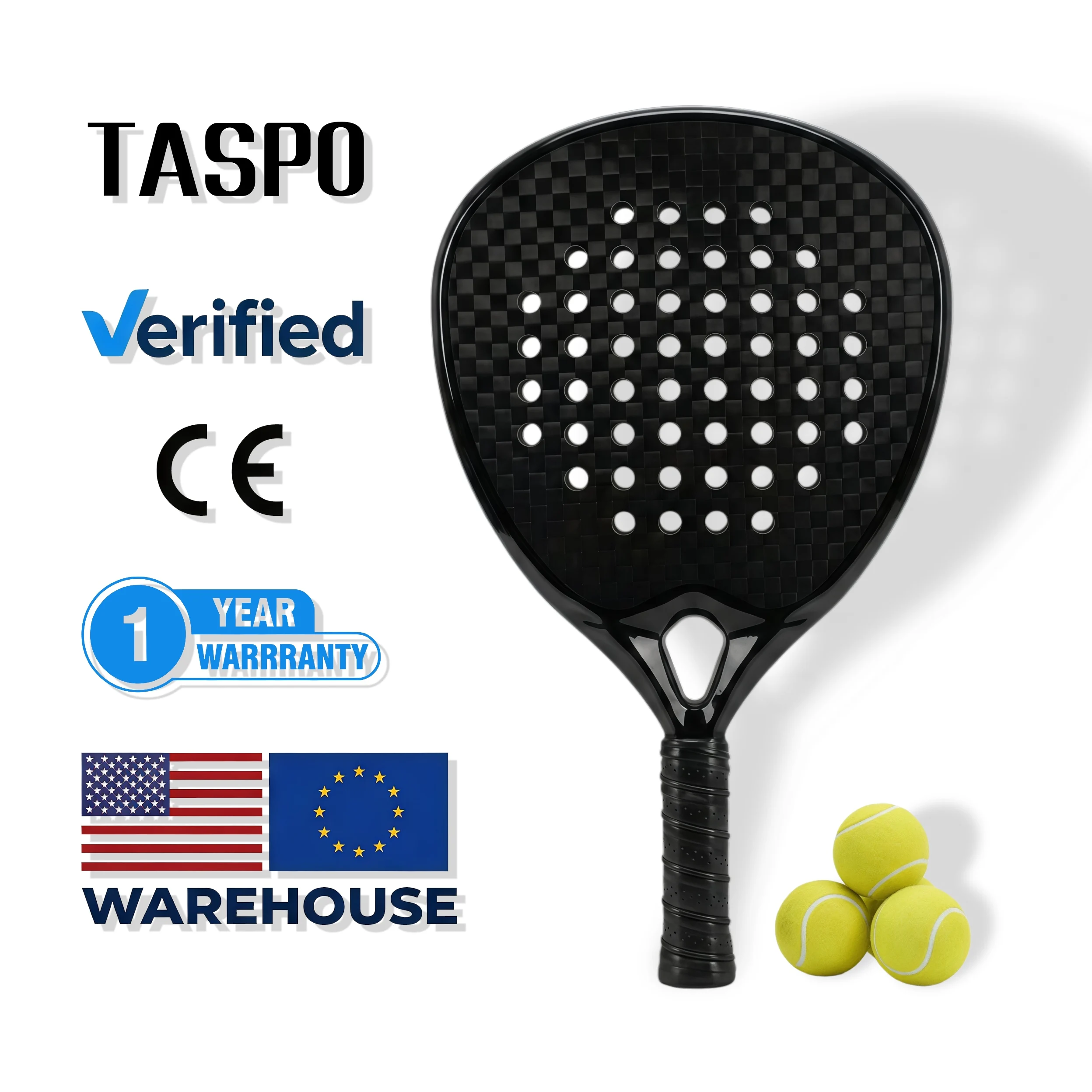
When an athlete executes a crisp volley inside a glass-enclosed court, the physical sensation transmitted through the handle dictates immediate tactical confidence. That instantaneous tactile feedback, universally known among players as hitting feel, is governed primarily by the structural properties of the sphere's internal elastomer shell. Understanding how padel ball core density regulates impact response requires examining the millisecond collision window between the sphere and the composite paddle face. Upon contact, kinetic energy forces the round rubber bladder to flatten against the carbon surface before springing back into its original spherical geometry. This momentary flattening period, referred to in sports physics as dwell time, typically lasts between three and five milliseconds. When a core is formulated with an optimized, medium-soft density, the rubber wall deforms progressively, allowing the textured paddle surface to bite into the exterior felt. This progressive deformation creates a plush, pocketing sensation that gives players exceptional directional command. Conversely, if the padel ball core density is excessively rigid, the sphere rebounds off the paddle face prematurely, reducing dwell time and creating a disconnected, boardypadel ball hitting feel that compromises shot placement during delicate net exchanges.
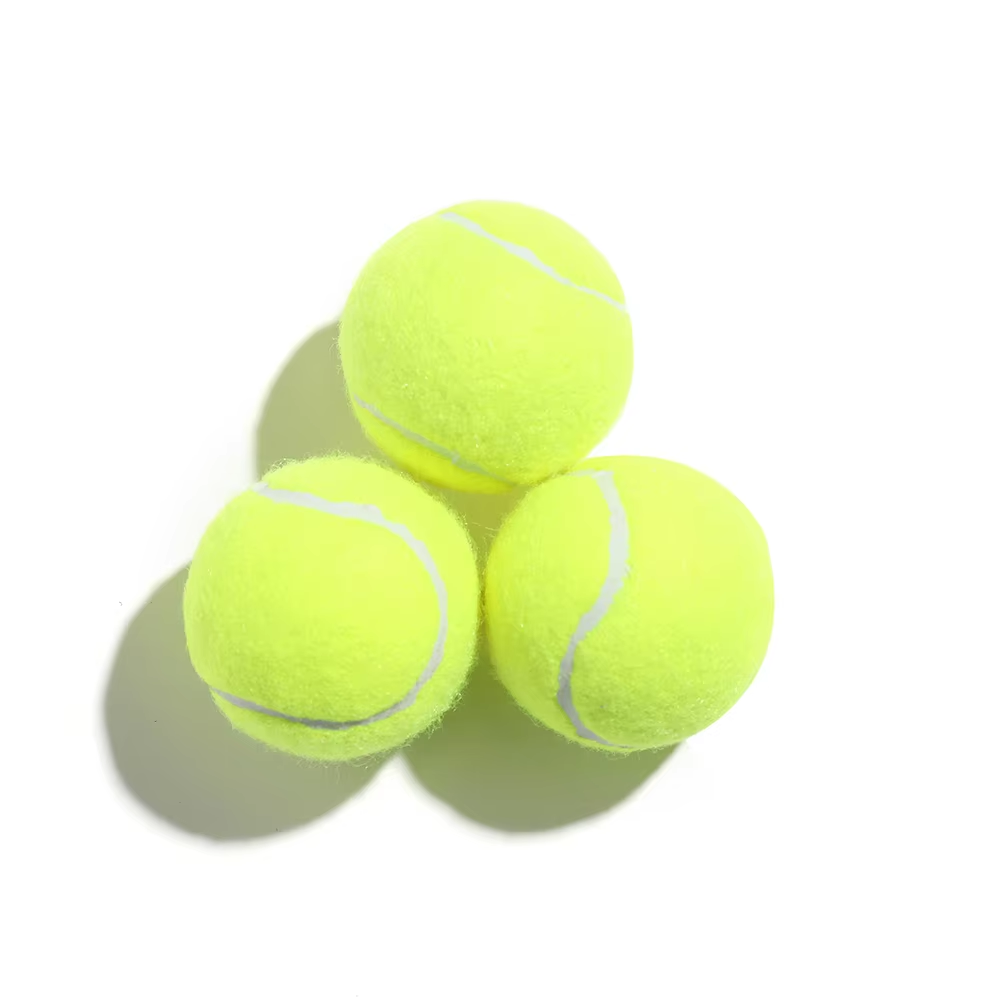
Beyond directional precision, the density of the internal rubber compound plays a critical role in protecting an athlete's musculoskeletal health. Unlike traditional strung tennis rackets where gut or synthetic strings stretch like a trampoline to absorb impact energy, padel utilizes solid, stringless composite paddles filled with EVA or polyethylene foam. Because the paddle face offers limited mechanical deflection, the burden of impact shock absorption falls heavily onto the pressurized padel ball core itself. During manufacturing, raw natural latex and synthetic butyl rubbers are mixed with sulfur curing agents and mineral reinforcing fillers. The ratio of these curing agents determines the molecular cross-linking density of the vulcanized rubber wall. If a factory over-cures the compound or packs excessive mineral fillers to reduce raw material expenses, the resulting padel ball core density becomes overly dense and unyielding. When players strike these rock-hard spheres during fast baseline rallies or overhead smashes, jarring high-frequency shockwaves bypass the paddle foam and travel straight into the wrist cartilage and forearm extensor tendons. Formulating a balanced padel ball hitting feel through controlled elastomeric cross-linking ensures that the rubber shell absorbs harsh peak impact forces, safeguarding club players and tournament professionals against chronic lateral epicondylitis.
Modern competitive play demands a versatile equipment profile that supports both explosive overhead power and feather-light defensive touch. Achieving this mechanical balance requires engineering the pressurized padel ball core to respond dynamically across varying swing speeds. In slow-paced tactical exchanges—such as executing a low chiquita drive at the feet of net-rushing opponents or absorbing pace on a defensive drop shot—the sphere undergoes minimal structural compression. Under these low-energy impacts, outer wall flexibility dictates the padel ball hitting feel, allowing the player to caress the ball softly over the net without launching it deep into the back glass. However, when an offensive player leaps to unleash a flat smash, high kinetic input compresses the rubber shell to its structural limit. At this high-strain threshold, internal nitrogen pressure combines with the elastic recoil of the rubber wall to generate explosive exit velocity. A well-calibrated padel ball compression profile bridges these two extremes seamlessly. By harmonizing wall thickness with precise rubber durometer ratings, engineers deliver a dynamic response where the sphere feels comfortably soft during delicate touch shots yet retains immense structural energy return when struck with maximum athletic force.
Translating chemical rubber formulations into thousands of identical tournament containers demands rigorous laboratory metrics and strict thermal processing discipline. In professional equipment manufacturing, engineers do not rely on guesswork to evaluate padel ball hitting feel; they quantify mechanical stiffness using standardized Stevens compression testing machines. During these quality assurance audits, individual rubber cores and finished spheres are subjected to a standardized static load of 8.165 kilograms to measure exact forward deformation and subsequent return deformation within fractions of a millimeter. Maintaining a consistent padel ball compression rating across massive production batches requires absolute thermal uniformity during the compression molding phase. When raw rubber slugs are pressed inside heated steel multi-cavity molds, temperature fluctuations of even three degrees Celsius across the platen can alter the vulcanization rate. Uneven curing creates localized hard spots along the equatorial seam where the two rubber hemispheres join. When a player strikes a sphere squarely on an over-cured seam, the rebound trajectory skews erratically and produces a harsh acoustic crack. An experienced custom padel ball manufacturer eliminates these defects by utilizing oil-heated isothermal presses and automated curing timers, guaranteeing uniform density across every millimeter of the spherical shell.
For ambitious sporting goods brands, national tournament organizers, and premier club franchises, offering equipment with a signature tactile response is a powerful way to build lasting customer loyalty. Players immediately notice when a fresh can of balls delivers a lively, arm-friendly sensation that endures through multiple sets of abrasive turf play. Transforming this player preference into commercial market share requires partnering with a vertically integrated industrial producer capable of bespoke chemical engineering. As a globally recognized leader in professional racket sports manufacturing, Taspo Sports has mastered the science of elastomeric core formulation and pneumatic ball assembly. Utilizing state-of-the-art internal Banbury mixers, automated rubber pre-formers, and precision vulcanization lines, Taspo Sports controls padel ball core density to exact international tournament tolerances. Whether a brand requires a fast, high-rebound model for sea-level winter leagues or a controlled, higher padel ball compression specification for warm summer venues, Taspo Sports delivers tailored OEM and ODM solutions. By collaborating with Taspo Sports as a dedicated custom padel ball manufacturer, global sports businesses gain access to proprietary rubber formulations, premium woven felt application, and airtight pressurized packaging, ensuring that every ball delivers an unmistakable, tour-grade hitting feel on courts worldwide.
 Hot News
2026-11-20
2026-11-20
2026-11-20
2026-11-20
2026-11-20
2026-11-20
 EN